La República Centroafricana no es un país que atraiga el interes de muchos visitantes, así lo demuestran los datos. Ha sido un país estigmatizado por la inestabilidad, la violencia y los abusos. Demasiada carga histórica como para elevarlo a los altares del turismo de la noche a la mañana. Sin embargo, desde hace unos años parece remontar ligeramente el vuelo. La presencia del ejército nacional, de los cascos azules de la ONU y de Wagner ha facilitado que el gobierno tenga controlada la situación en la mayor parte del territorio. La RCA es uno de los países menos desarrollados del mundo, con una población sufrida y fuerte, y con un gran potencial, un “país muy africano”, con paisajes espectaculares y enormes contrastes.
The Central African Republic is not a country that attracts the interest of many visitors, as data show. It has been a country stigmatized by instability, violence and abuse. Too much of a historical burden to place it high in the podium of tourism overnight. In recent years though, it seems that things have started to change. The presence of the national army, the UN blue helmets and Wagner has helped the government to control the situation in most of the territory. The CAR is one of the least developed countries in the world, with a suffering and resilient population and with a great potential, a “very African country”, with spectacular landscapes and sharp contrasts.
Boali Falls
La principal atracción turística del país son, sin duda, las cataratas Boali, situadas a unos 100 Km al noroeste de la capital. Su altura es de unos 50m y su extensión llega a los 250m. Todo el entorno donde se encuentran es de una enorme belleza. El viaje desde Bangui es muy llevadero, a través de una carretera asfaltada que nos muestra África en su esencia. La capital es una ciudad de un millón de habitantes, muy extensa, poco congestionada si se la compara con muchas otras urbes africanas, y con pocos lugares de interés. La Catedral de Notre Dame y el caudaloso río Oubangui, que hace de frontera natural con la vecina República Democrática del Congo, son quizá lo más reseñable de Bangui.
The country’s main tourist attraction is, no doubt about, the Boali Falls, located about 100 km northwest of the capital (50 m high and 250 m long). The whole area around them is stunning. The trip from Bangui is very easy, along a paved road that shows us the spirit of Africa in hundreds of potential pictures. The capital is a city of about one million people, very large, not very congested compared to many other African cities, and with few places of interest. The Notre Dame Cathedral and the mighty Oubangui River, which forms a natural border with the neighboring Democratic Republic of Congo, are perhaps the most remarkable places in Bangui.
Una inolvidable ruta por Camerún, empezando y acabando en Douala, la capital comercial y ciudad más poblada del país. El itinerario: Douala-Limbe-Buea-Bafoussam-Bamenda-Bafut-Foumban-Bandjoun-Yaoundé-Kribi-Douala. Un círculo que me ha permitido descubrir la complejidad de un país de gentes abiertas, energéticas y directas… Quizá por ello se conozca a su selección nacional de fútbol como “los leones indomables”
An unforgettable route through Cameroon, starting and ending in Douala, the commercial capital and most populous city in the country. The itinerary: Douala-Limbe-Buea-Bafoussam-Bamenda-Bafut-Foumban-Bandjoun-Yaoundé-Kribi-Douala. A circle that allowed me to discover the complexity of a country of open, energetic and direct people… Perhaps that is why its national football team is known as “the indomitable lions”
Limbe
A Camerún se lo conoce también como el “África en miniatura”, pues en una relativamente pequeña extensión, atesora una gran variedad de paisajes, climas y numerosos grupos religiosos dentro del cristianismo, islam y animismo. Además, su realidad etno-lingüística es extrema: 180 idiomas tribales y dos realidades culturales separadas: una mayoritaria francófona y otra minoritaria, pero no desdeñable, anglófona, al oeste del país, entidad esta última conocida como Ambazonia, siendo Limbe y Bamenda sus principales centros poblacionales. Es decir, el país viene a ser como una versión resumida del continente africano debido a su variedad y complejidad.
Cameroon is also known as “Africa in miniature”, because in a relatively small area, it treasures a great variety of landscapes, climates and numerous religious groups within Christianity, Islam and animism. In addition, its ethno-linguistic reality is extreme: 180 tribal languages and two separate cultural realities: a majority French-speaking one and a minority, but not insignificant, anglophone, in the west of the country, the latter entity known as Ambazonia, with Limbe and Bamenda as its main population centers. In other words, the country is like a summarized version of the African continent, due to its diversity and complexity.
Bandjoun Chefferie
Yaoundé, the capital
La privilegiada ubicación geográfica del país y su accidentada orografía lo convierten en un escenario natural cargado de paisajes fotografiables. No son sus grandes ciudades lo más atractivo, pero en ellas se es testigo de una forma de vida urbana muy intensa. El Monte Camerún (4.000m de altura), los numerosos lagos en cráteres, los parques nacionales con abundante fauna, la vegetación exuberante de su entorno rural o su litoral atlántico, son los elementos que atraen primordialmente la atención de los visitantes.
The country’s privileged geographical location and rugged topography make it a natural setting full of photographable landscapes. Its big cities are not its most attractive feature, but they do show the very intense urban way of life. Mount Cameroon (4.000m high), the numerous crater lakes, the national game reserves with abundant wildlife, the lush vegetation of its rural environment and its Atlantic coastline are the points that primarily attract the attention of visitors.
En medio de la metrópolis más rica de África surge Makoko, la ciudad de los desheredados, de la pobreza extrema, un lugar indeseado por el gobierno nigeriano, una aparición que flota en la laguna, olvidada para los dirigentes de Lagos, la segunda ciudad más poblada del continente. Makoko pasó de ser un pequeño asentamiento de pescadores a una población de casi medio millón de almas, muchas de las cuales viven en situación de indigencia. Para mayor agravio, Makoko no está lejos de Banana Island, un exclusivo barrio al que solo se accede con un código, un barrio de lujo extremo, con helipuertos y embarcaderos privados, la zona más opulenta de la ciudad.
Right in the middle of Africa’s richest metropolis lies Makoko, the city of the dispossessed, of extreme poverty, an undesired place for the Nigerian government, a ghost floating in the lagoon, forsaken by the rulers of Lagos, the second most populous city on the continent. Makoko has grown from a small fishing settlement to a population of almost half a million souls, many of whom live in poverty. To make matters worse, Makoko is not far from Banana Island, an exclusive neighbourhood that can only be accessed with a code, a neighbourhood of extreme luxury, with helipads and private jetties, the most opulent area of the city.
Una vez allí, navegando sus callejuelas en medio de esa Venecia del horror, un lugar donde no falta la violencia organizada y donde los niños juegan entre los palafitos sobre unos pocos metros cuadrados disponibles, la vida nos muestra su lado más cruel y, soprendentemente, también nos enseña cómo muchos de esos seres humanos crecidos entre pescado, agua negras y pestilentes, maderas podridas y toneladas de basura, son capaces de esbozar una sonrisa y saludarnos con una mezcla de curiosidad y afecto.
Once there, navigating the narrow channels of this Venice of horror, a place where there is no shortage of organized violence and where children play among the stilt houses on the few square meters available, life shows us its cruelest side and, surprisingly, also teaches us how many of those human beings raised among fish, black and stinking water, rotten wood and tons of garbage, are able to give a smile and greet us with a mixture of curiosity and affection.
Ruta por el suroeste de África, recorriendo partes de Angola, la República Democrática del Congo, la República del Congo, Gabón y Guinea Ecuatorial, una de las zonas menos concurridas y conocidas del continente, pero también una de las más frondosas y bellas.
Route through southwest Africa, visiting parts of Angola, the Democratic Republic of the Congo, the Republic of the Congo, Gabon and Equatorial Guinea, one of the least-visited areas of the continent, but also one of the most lush and beautiful.
Calandula, Angola
Angola es quizá uno de los países más recomendables para empezar a viajar por África. Atrás quedaron los tiempos de la devastadora guerra civil: 30 años que dejaron una reputación muy perjudicial para el país y que el gobierno angoleño está intentando borrar. Han pasado 20 años desde su fin y Angola merece una mejor nota. El gobierno parece dispuesto a la apertura y a apostar por el turismo, tal vez porque el petróleo ya no es una fuente de ingresos suficiente. Se acabó el carísimo visado de antes, se han suprimido los controles militares en las carreteras y hay una cierta mejora en las infraestructuras. El país es muy interesante. Su naturaleza, sus ciudades y el carácter de su gente, educada y tranquila. Además, la huella de la época colonial portuguesa se puede ver en la arquitectura y la gastronomía. Viajar por Angola es seguro, barato y nada agobiante, con muy pocos turistas… De momento, al menos. Nuestro recorrido cubrió Namibe, Chibia, Lubango, Benguela, Lobito, Quissama, Calandula y Luanda.
Angola is probably one of the most recommendable countries to start travelling in Africa. Gone are the days of the devastating civil war: 30 years that left a very damaging reputation for the country and that the Angolan government is trying to erase. Twenty years have passed since its end and Angola deserves a better rating now. The government seems willing to open up and invest in tourism, perhaps because oil is no longer a sufficient source of income. The very expensive visa needed is over, military checkpoints on the roads have been removed and there is some improvement in infrastructure. The country is very interesting. Its nature, its cities and the character of its people, polite and calm. In addition, the traces of the Portuguese colonial era can be seen in the architecture and gastronomy. Travelling through Angola is safe, cheap and not overwhelming, with very few tourists… so far at least. Our tour covered Namibe, Chibia, Lubango, Benguela, Lobito, Quissama, Calandula and Luanda.
Fenda da Tundavala, Huila, Angola
Serra da Leba, Lubango, Angola
Kissama, Angola
Kinshasa, la inmensa y caótica capital de la República Democrática del Congo, esconde un tesoro, al salir de sus límites tras 2 ó 3 horas de tráfico infame por las congestionadas calles: el paraíso de los bonobos, un edén para los privilegiados simios que habitan el plácido santuario, ajenos a la megaurbe. Dicen que los bonobos son los más parecidos a los humanos de entre todos los primates, pero tienen la particularidad de solucionar los conflictos con la práctica sexual frenética… Ahí queda
Kinshasa, the immense and chaotic capital of the Democratic Republic of the Congo, hides a treasure, just outside its limits after 2 or 3 hours of infamous traffic on its congested streets: the bonobo paradise, an Eden for the privileged apes that inhabit the placid sanctuary, far from the megacity. They say that bonobos are the most similar to humans of all primates, but they have the particularity of solving conflicts with frenetic sexual practice…
Kinshasa, DR Congo
Bonobos Sanctuary, RDC
Cruzando el majestuoso río Congo se llega a Brazzaville, capital de la República del Congo, un país con una naturaleza exuberante y con unas ciudades tranquilas, seguras y ordenadas, algo sorprendente para estándares africanos, muy diferente a la República Democrática del Congo…
Crossing the majestic Congo River you reach Brazzaville, capital of the Republic of Congo, a country with lush nature and quiet, safe and orderly cities, something surprising by African standards, very different from the Democratic Republic of Congo…
The big river Congo from Brazzaville
Street market in Pointe Noire, Republic of Congo
Atravesar la República del Congo y llegar a Gabòn no es tarea fácil. Hay pocas carreteras y el transporte es muy límitado, así que tuvimos que elegir entre armarnos de paciencia o volar. La República gabonesa se puede considerar como la última reserva forestal de África, pero es también un país rico en petróleo y uranio… Posee el que es probablemente el mejor parque nacional de todo el continente, Loango, a precio de billonario la visita, claro está. Gabón es un país poco poblado y poco visitado, que no explota en absoluto su potencial turístico, tal vez porque no lo necesita.
Crossing the Republic of Congo and reaching Gabon is not easy. There are few roads and transport is very limited, so you had to make a decision: arm ourselves with patience or fly. The Gabonese Republic can be considered the last forest reserve in Africa, but it is also a country rich in oil and uranium… It has what is probably the best national park on the entire continent, Loango, at a cost of billions a visit, of course. Gabon is a sparsely populated and little-visited country, which does not exploit its tourist potential at all, maybe because it does not need it.
Road scene in Gabon, near Lambarané
Pointe Denis, facing Libreville, Gabon
Y por último Guinea Ecuatorial, el único país africano de habla hispana, que atesora una espectacular naturaleza y un precioso legado arquitectónico dejado por España. No es un país fácil para el viajero independiente, pues es uno de esos pocos países del mundo donde se exigen permisos para desplazarse. Además, el transporte no es abundante y el terreno es muy accidentado. Moverse para disfrutar de su encanto natural queda en manos de agencias que saben hacer su agosto. A pesar de todo, se agradece hablar español y comer aceitunas en África. Dimos buena cuenta de ello…
And finally, Equatorial Guinea, the only Spanish-speaking African country, which has spectacular nature and a beautiful architectural legacy left by Spain. It is not an easy country for independent travellers, as it is one of the few countries in the world where travel permits are required. In addition, transport is not plentiful and the terrain is very rugged. Getting around to enjoy its natural charm is left to agencies that know how to make good money. Despite everything, it is appreciated to speak Spanish and eat olives in Africa. We got a good taste of it…
Lush nature in Equatorial Guinea
Santa Isabel Cathedral in Malabo, Bioko, Guinea Ecuatorial
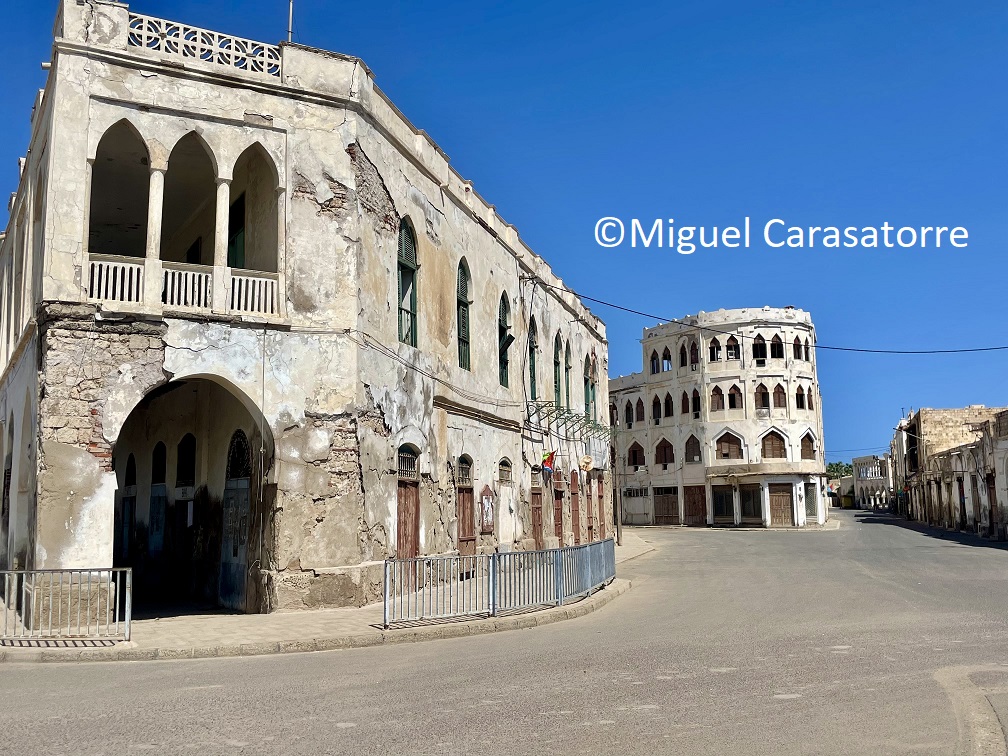
Eritrea es uno de los países más singulares, excepcionales y extraños que se pueden encontrar en el mundo. “Tres estaciones en tres horas”, ese es el eslógan del que hace gala el Ministerio de Transportes y Turismo, el mismo que permite o niega moverte libremente por cualquier lugar del país. Y es que en ese espacio de tiempo vas del otoño al verano pasando por la primavera, desde los 2.400m de altura de la capital, Asmara, hasta Massawa, a orillas del Mar Rojo. Una realidad natural, social y política que sólo se comprende totalmente viniendo a este poco conocido país, que algunos llaman “La Corea del Norte africana”…
Eritrea is one of the most unique, exceptional and strange countries that can be found in the world. “Three stations in three hours”, that is the slogan displayed by the Ministry of Transport and Tourism, the same one that allows or denies you to move freely anywhere in the country. And in that period of time you go from fall to summer through spring, from the 2,400m altitude of the capital, Asmara, to the port city of Massawa, at the shore of the Red Sea. A natural, social and political reality that can only be fully understood by coming to this little-known country, which some call “African North Korea”…
Italian Cafeteria in Asmara
Pero, la primera pregunta que se hace uno es: ¿Estoy realmente en África? Inevitable pregunta al pasear por Asmara, la limpia, segura y ordenada capital de Eritrea. Algo insólito en el continente: bulevares amplios, tráfico respetuoso con el viandante, edificios art deco y multitud de cafés y pasticcerias, la “pequeña Roma”, como la llaman algunos… Italia dejó un legado que el país ha sabido conservar. Además, la altitud (2400m) le regala un clima agradable casi todo el año.
But, the first question once you get here is: Am I really in Africa? Unavoidable question when walking through Asmara, the cute, safe and tidy capital of Eritrea. Something unusual on the continent: wide boulevards, pedestrian-friendly traffic, art deco buildings and a multitude of cafes and pasticcerias “the little Rome” as some people name it… Italy left a legacy that the country has succesfully managed to preserve. In addition, the altitude (2400m) gives it a pleasant climate almost all year round.
Cinema Impero, Asmara
Tank graveyard, Asmara
Cuando sales de Asmara, hacia alguno de los otros lugares donde está permitido viajar, ves la otra realidad del país: el subdesarrollo, los efectos de la larga guerra de secesión de Etiopía y el férreo control de movimientos. Es cuando te das cuenta de su heterogeneidad: un país pequeño de 6 millones de habitantes, pero que comprende 9 etnias (nueve idiomas) y dos grandes religiones al 50/50: cristianismo e Islam. Eritrea es un lugar complejo, en difícil equilibrio, ubicado en una zona sensible como es el Cuerno de África, y también es un destino apasionante, que es mejor descubrir visitándolo.
When you leave Asmara, to visit any other of the few places where travel is allowed, you see the other reality of the country: underdevelopment, the effects of Ethiopia’s long secession war and the tight control of movements. It is when you realize its heterogeneity: a small country of 6 million inhabitants that includes 9 ethnic groups (nine languages) and two great religions 50/50: Christianity and Islam. Eritrea is a complex place, in a difficult balance, located in a sensitive area, such as the Horn of Africa, and it is also an exciting destination, which is best discovered getting there.
Massawa, el puerto de Eritrea en el Mar Rojo / The port city of Eritrea by the Red Sea
Visitar Arabia Saudita en pleno Ramadán nos parecía un reto, algo difícil e incómodo, pero al final no ha sido para tanto e incluso nos ha dado ciertas ventajas: menos aglomeraciones, también menos turistas y los precios han sido algo más bajos. Además, hemos conocido el país en unas fechas de mucha significación religiosa, algo muy interesante y enriquecedor.
Visiting Saudi Arabia during the month of Ramadan seemed like a challenge, somewhat difficult and uncomfortable, but in the end it has not been that bad and it even has given us some advantages: we experienced fewer crowds, fewer tourists and the prices were a bit lower. Furthermore, we have known the country on dates of great religious significance, something very interesting, enriching.
Al Balad area, Jeddah
La Meca, Torre del Reloj, 600m de altura / Mecca, 600m high Clock Tower
La ruta empezó en la ciudad de Jeddah, a orillas del Mar Rojo, una vibrante y creciente urbe que acogía en estas mismas fechas el gran premio de Arabia de Formula 1. Es de destacar su zona antigua, el barrio de Al Balad, cuyos edificios mezclan el cemento, la piedra coralina y la madera en sus fachadas. Desde allí visitamos La Meca y Medina, los santos lugares del Islam, una experiencia irrepetible conocer las mezquitas de Al Haram y del Profeta,
We started the route in the city of Jeddah, on the shores of the Red Sea, a vibrant and growing place that hosted the Arabian Formula 1 Grand Prix at the same time. The old area of the city, the Al Balad neighborhood, is worth highlighting. The buildings here mix cement, coral stone and wood on their facades. From there we visited Mecca and Madinah, the holy places of Islam, an unrepeatable experience to see the mosques of both Al Haram and the Prophet.
La ciudad antigua de Al Ula / Al Ula old city
Al Ula y Mada’in Saleh (Hegra) fueron la siguientes paradas: dos auténticas maravillas, una espectacular combinación de naturaleza e historia en mitad del desierto de Arabia. Hegra, la ciudad de los nabateos, con más de 130 edificios funerarios, nos pareció mucho más que la segunda Petra.
Al Ula and Mada’in Saleh (Hegra) were the next stops: two true wonders, a spectacular combination of nature and history in the middle of the Arabian desert. Hegra, the city of the Nabateans, with over 130 funerary buildings, seemed to all of us much more than just the second Petra.
Hegra (Mada’in Saleh)
Y por último, tras cruzar por carretera más de mil kilómetros por las vastas llanuras desérticas de este extenso país, llegamos a la enorme y bulliciosa capital, Riad, desde donde realizamos una excursión a otra de esas sorpresas naturales que te dejan huella, los acantilados de “El límite del mundo”, simplemente inolvidable.
And finally, after crossing more than thousand kilometers through the vast desert plains of this huge country, we arrived at the enormous and bustling capital, Riyadh, from where we made a day trip to one of those natural surprises that leave their mark on you, the cliffs of “The Edge of the World”, simply unforgettable.
Iraq no deja indiferente. Lejos de la idea de ser un país monolítico, Iraq es una realidad tan diversa, que produce contrastes extremos: Mesopotamia, el Creciente Fértil, la cuna de la civilización frente a construcciones mastodónticas de la época de Sadam Hussein. Desiertos yermos frente a cordilleras nevadas, lugares donde se respira una profunda espiritualidad frente a atascos desesperantes cargados de un aire irrespirable. La amabilidad insuperable de los iraquíes frente a un espeluznante arsenal de armas y numerosos controles que eternizan cualquier viaje.
Puerta de Ishtar, Babilonia / Ishtar Gate, Babylon
Spiral Minaret, Samarra, Iraq
La diversidad del país es sorprendente, inesperada: árabes, kurdos, turcos… Musulmanes sunitas, chiitas, sufíes, yezedíes, cristianos ortodoxos: un rompecabezas difícil de mantener en paz y equilibrio.
Monumento a los Mártires, Bagdad / Martyr’s Memorial, Baghdad
Akre, Kurdistán iraquí / Akre, iraqi Kurdistan
Iraq does not leave anyone indifferent. Far from the idea of being a monolithic country, Iraq is a reality so diverse that it brings about extreme contrasts: Mesopotamia, the Fertile Crescent, the cradle of civilization versus pharaonic constructions from the time of Saddam Hussein. Barren deserts versus snowy mountain ranges, places where you can breathe a deep spirituality vs. desperating traffic jams loaded with unbreathable air. The incredible kindness of the Iraqis versus a terrifying arsenal of weapons and check points that make any trip eternal.
Mosul, Iraq, en plena reconstrucción / Mosul, Irak, under intense rebuilding
La ciudad sagrada de Kerbala / Holy city of Kerbala
The diversity is surprising and unexpected: Arabs, Kurds, Turks… Sunni Muslims, Shiites, Sufis, Yezedis, Orthodox Christians: a difficult puzzle to maintain in peace and balance.
Ruta por un heterogéneo y singular territorio, un maravilloso viaje desde la Guyana Francesa hasta la islas de Antigua y Barbuda, recorriendo diez países y una región francesa de ultramar. Curioso, variado e inolvidable / Route through a heterogeneous and singular area, a wonderful trip from French Guyana to the islands of Antigua and Barbuda, visiting 10 sovereign countries and a French overseas region. Simply unforgettable, pure fun.
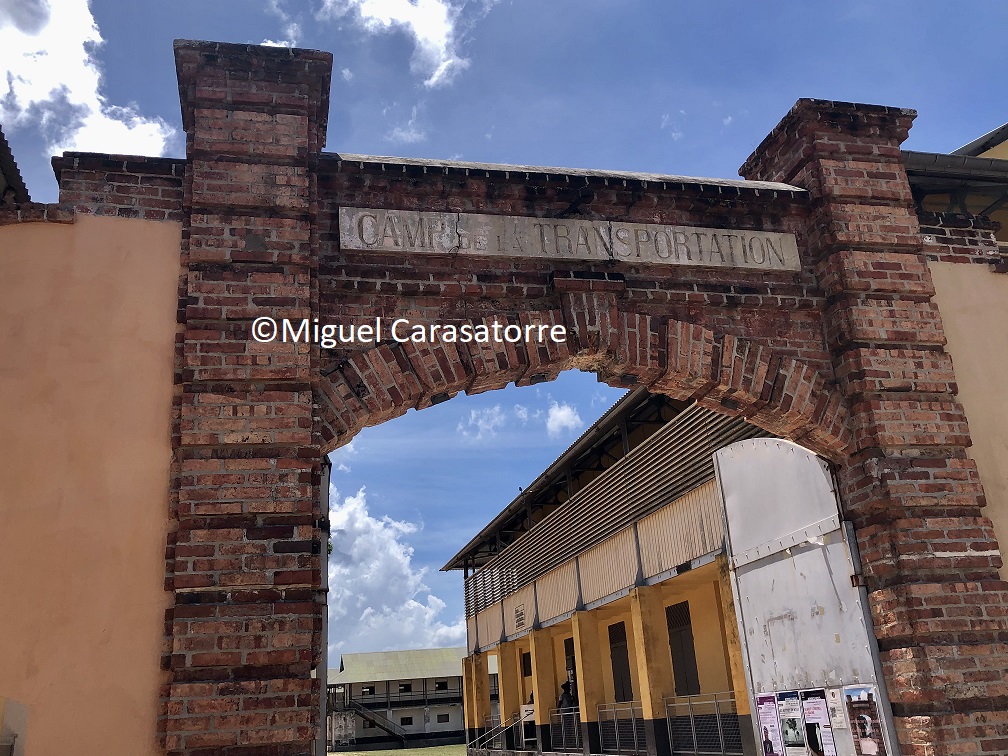
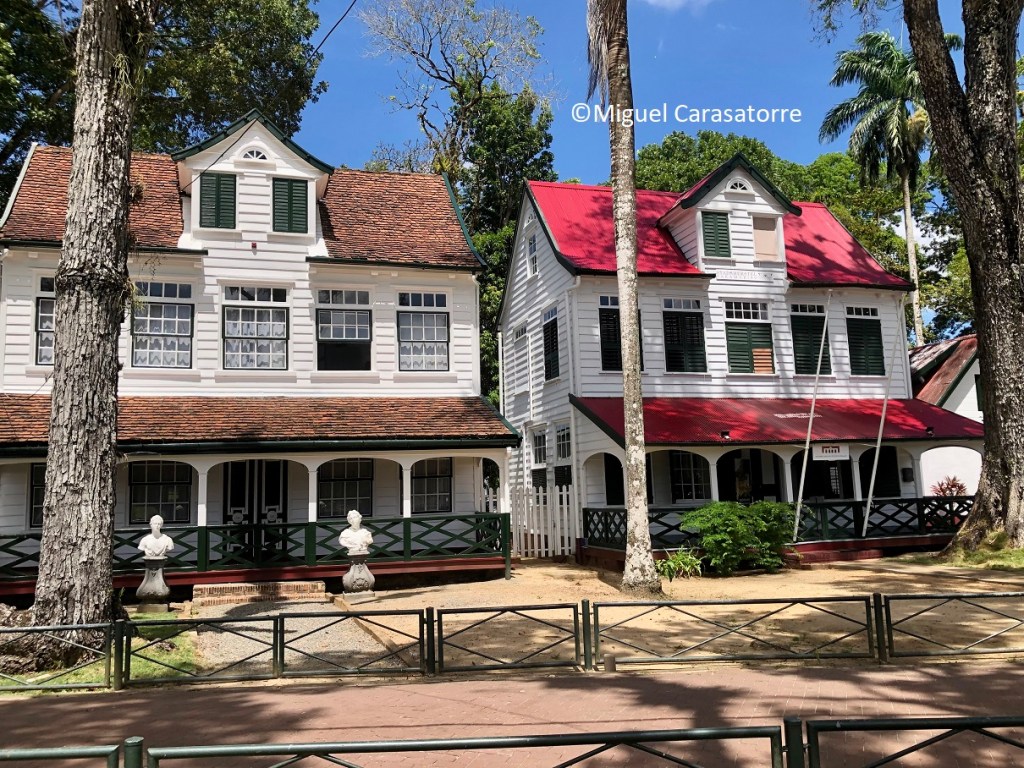
Primera parada, Guyanas… Una parte poco visitada del mundo, tres países o territorios que viven de espaldas al mar, con un exuberante interior y una mezcla racial sorprendente, bajo un clima trópical extremo. Destacables la arquitectura colonial de Paramaribo, la historia de la Guyana Francesa como zona penitenciaria y, por supuesto, las cataratas Kaieteur en Guyana, las más altas del mundo en caída libre (226m), espectaculares incluso en temporada seca.
First stop, the Guianas… A rather unknown part of the world, three countries or territories that “live back to the sea”, with a lush interior and a surprising racial mix, under an extreme tropical climate. Noteworthy, the colonial architecture of Paramaribo, the history of French Guiana as a prison zone and, of course, the Kaieteur Falls in Guyana, the highest in the world in free fall (226m), spectacular even in the dry season.
Camp de la Transportation, Saint Laurent du Maroni, Guyana Francesa
Colonial Paramaribo, Surinam
Kaieteur Falls, Guyana
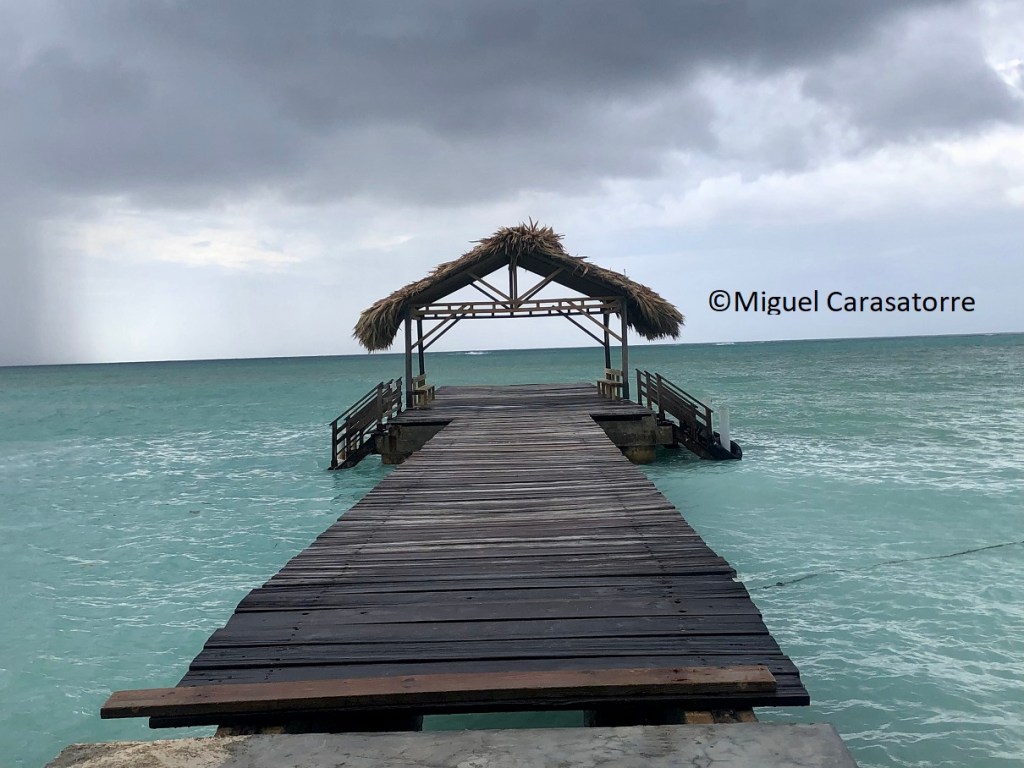
Siguiente etapa: llegada al mar, las islas y el Caribe! Aunque relativamente, porque Trinidad y Tobago no es precisamente un paraíso tropical. Trinidad descubrió petróleo en su subsuelo y dejó su limitada actividad turística en manos de Tobago, que está lejos de poseer el encanto de sus islas vecinas, como Granada (escrito y pronunciado Grenada), una auténtica joyita que sí ofrece lo que se espera de estas latitudes: playas, bosques tropicales, volcanes, historia colonial, buceo de categoría, música y mucha alegría.
Next stop: ocean, islands and Caribbean! Finally, but gradually, cause Trinidad and Tobago is not exactly a tropical paradise. Trinidad discovered oil and left its limited tourist activity to Tobago, lacking the charm of the neighboring islands, such as Grenada, tiny gem that offers what you expect from this part of the world: beaches, tropical forests, volcanoes, colonial history, world class diving, music and joy.
Pigeon Point, Tobago
Grand Anse Beach, Grenada
Y después, el Caribe en estado puro. San Vicente & las Granadinas y Barbados. Los días en esta parte del Caribe se dividen en dos: con o sin crucero, es decir, con o sin los miles de turistas que arrojan las enormes ciudades flotantes a las islas tropicales los días de visita. El primero es un archipiélago de islas paradisíacas y exclusivas (Bequia, la más accesible de las Granadinas, una maravilla), que se ha enfocado hacia el turismo de alto poder adquisitivo, pero que también ofrece hueco a bolsillos más modestos. Barbados, por contra, es la versión caribeña de la clásica “factoría de turistas ávidos de sol”, o sea, un destino muy de masas, nada barato y con oasis de lujo inaccesibles, aunque también con algunos lugares dignos de disfrutarse, playas de arenas blancas y aguas turquesas incluidas.
And next, Caribbean yeah! Saint Vincent & the Grenadines and Barbados. Two types of days in this part of the Caribbean: with or without a visiting cruise, that is, with or without the thousands of tourists getting out of the huge floating cities onto the tropical islands. SVG is an archipelago of paradisiacal and exclusive islands (Bequia, the most accessible of the Grenadines, a beauty) and has focused on high level visitors, offering room for budget travelers too. Barbados, on the other hand, is the Caribbean version of the classic factory of sun-hungry tourists, that is, a very mass destination, not cheap, also with inaccessible oases of luxury and places really worth enjoying, beaches of white sands and turquoise waters included.
Bequia, San Vicente & las Granadinas
Bathsheba, Barbados
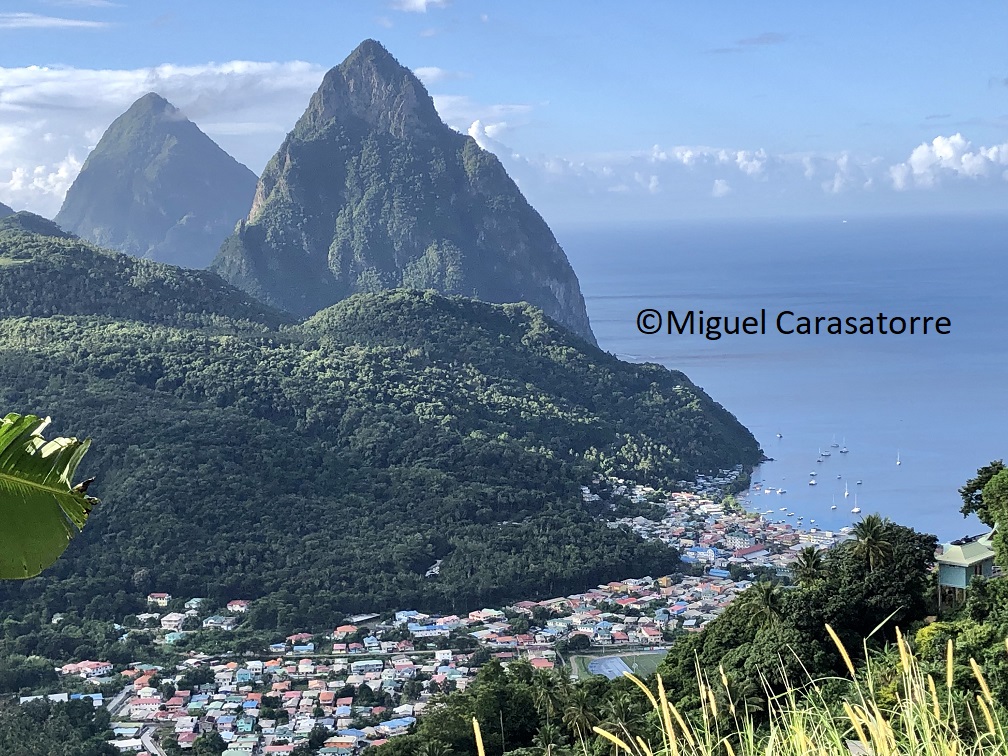
Y entonces arribamos a dos islas, ¡que quitan el hipo! Santa Lucía y Dominica. Tierras de piratas y corsarios; el mismísimo Pata de Palo, Jambe de Bois, tenía su cuartel general en el norte de Santa Lucía. Dos islas disputadas por franceses e ingleses, tras ser ignoradas por los españoles (Santa Lucía cambió su soberanía 14 veces en un siglo para acabar en manos británicas antes de independizarse). Curiosamente, los nombres de lugares se mantienen mayoritariamente en francés, pero el inglés se ha impuesto como lengua vehicular. Dos países de increíble belleza: la naturaleza de Dominica es de lo más exuberante que he visto y los paisajes de Santa Lucía son sobrecogedores. Difícil elegir entre ellos, decididamente me quedo con los dos.
And thenWOW!!! Saint Lucia and Dominica. Land of pirates and corsairs; Jambe de Bois had his headquarters in northern St Lucia. Two islands disputed by the French and English, after being ignored by the Spaniards (St Lucia changed its sovereignty 14 times in a century to end up in British hands before independence). French names for places are mostly maintained, while English has become the vehicular language. Two countries of incredible beauty: the nature of Dominica is lush while the landscapes of St Lucia are breathtaking. Hard to choose between them, I take both.
St. Lucia. Village of Soufriere with the Two Pitons as a background
Beautiful Batibou Beach, northern Dominica
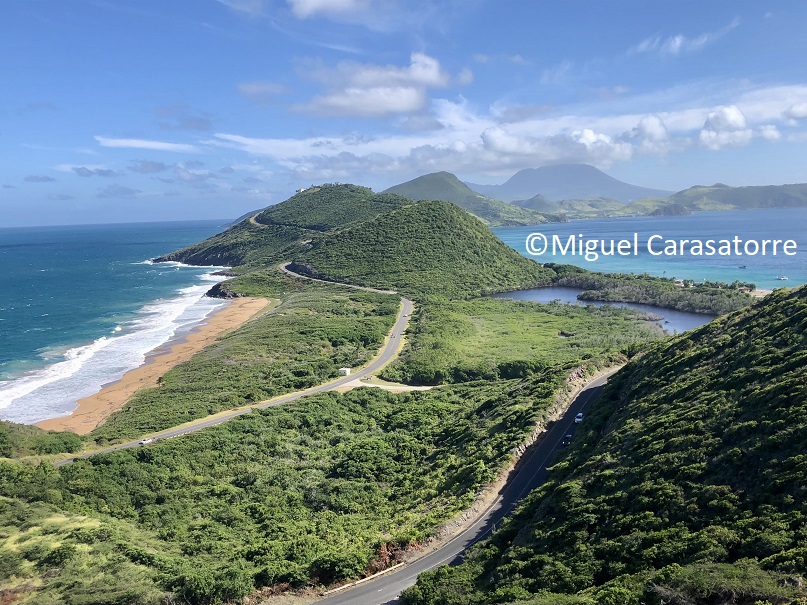
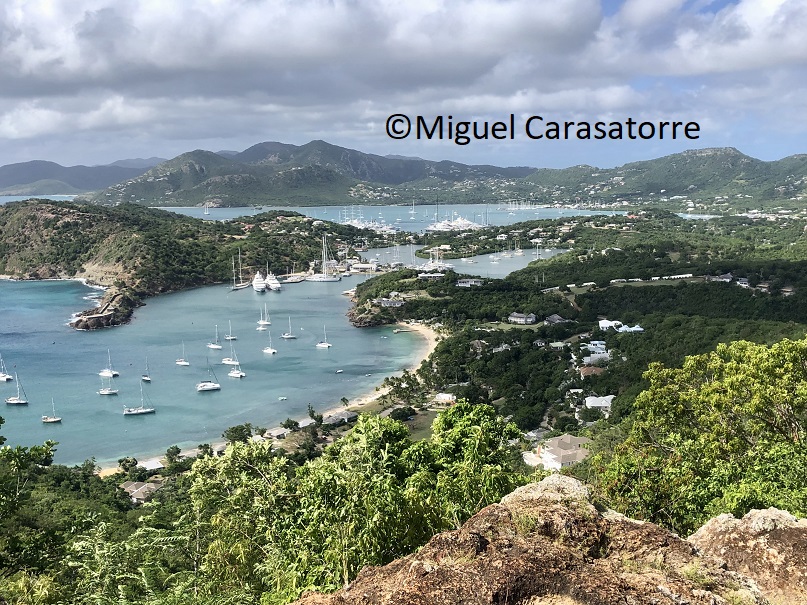
Final de trayecto. San Cristóbal y Nieves, Antigua y Barbuda. Dos países caribeños con marcada influencia británica, ciudades con sabor colonial, impresionantes bahías y un ritmo tropical muy característico. De las cuatro islas principales que los forman, me quedo con Barbuda, por sus maravillosas playas y… Porque sólo tiene 1.500 habitantes, un lugar ideal para olvidarse del mundanal ruido.
Final destination. Saint Kitts and Nevis, Antigua and Barbuda. Two Caribbean countries with marked British influence, appealing cities with colonial flavor, stunning bays and a unique tropical rhythm. Of the four main islands that form both countries I choose Barbuda, for its wonderful beaches and… Because its population is just 1,500. An ideal place to forget about the hustle and bustle.
Un placer presentar mi nuevo libro: Viaje a la globalización. Una visión personal sobre los cambios experimentados por la sociedad en 25 años: el tiempo transcurrido entre dos vueltas al mundo. Una obra íntima, crítica y optimista, a la vez que un libro de viajes que propone una ruta singular alrededor del planeta.
It is a pleasure to present my new book: A trip to globalization. A personal vision of the changes experienced by our society in 25 years: the time elapsed between two trips around the world. An intimate, critical and optimistic work, as well as a travel book that proposes a unique route around the planet.
Siempre ha estado ahí, al otro lado del Mediterráneo, a menos de hora y media de vuelo desde Madrid y, sin embargo, nunca ha sido un destino popular, por culpa de inestabilidades políticas, por falta de promoción y por mero desconocimiento. Pese a ello, Argelia tiene mucho que ofrecer al visitante. No podía ser de otra manera, siendo el país más grande de Africa, lleno de contrastes y entornos muy diversos, desde ciudades cosmopolitas que miran a Europa a soberbios yacimientos arqueológicos romanos, comunidades beréberes en las montañas y, por supuesto, todo lo que el inmenso y misterioso Sahara tiene que ofrecer. Un recorrido por la bulliciosa capital, Argel, la ciudad de Constantina y su pinturesco emplazamiento, las ruinas romanas de Djemila, Timgad e Hipona, ésta última, además, patria de san Agustín, y un viaje a la pentápolis de Gardaya, al sur, en pleno desierto, para visitar a los mozabitas, una secta conservadora y pacífica del Ibadismo, la tercera vía del islam, de costumbres enraizadas que datan de la edad media.
It has always been there, on the other side of the Mediterranean, less than an hour and a half flight from Madrid, and yet it has never been a popular destination, due to political instability, lack of promotion and mere ignorance. Despite this, Algeria has a lot to offer to the visitor. It couldn’t be any other way, being the largest country in Africa, full of contrasts and highly diverse environments, from cosmopolitan cities looking at Europe to superb Roman archaeological sites, Berber communities in the mountains and, of course, everything that the immense and mysterious Sahara has to offer. A tour of the bustling capital, Algiers, the city of Constantine and its picturesque setting, the Roman ruins of Djemila, Timgad and Hippo Regius, the latter also the homeland of Saint Augustine, and a trip to the Pentapolis of Gardaya, in the south, right in the middle of the desert, to visit the Mozabites, a conservative and peaceful sect of Ibadhism, the third way of Islam, with deep-rooted customs dating back to the Middle Ages.
Alger
Djemila
El Atteuf
Si quieres conocer Argelia, no dudes en contactar con nosotros. Te asesoraremos y personalizaremos tu viaje, a la medida de tu agenda y tu presupuesto. Info!
If you want to know Algeria, do not hesitate to contact us. We will advise you and personalize your trip, tailored to your agenda and your budget.Info!










 Singular Destinations
