Sudán del Sur / South Sudan

Difícil describir con pocas palabras o ponerle título a un viaje por el más reciente país del mundo; viajar por el país africano es como volver al pasado varias decenas de años, es retroceder al África de las tribus, de las chozas, del ganado, de los conflictos fronterizos, de la corrupción salvaje. Nada nuevo, dirán algunos, pero sí que lo es… Sudán del Sur es el segundo país menos desarrollado del planeta, por mí debería ser el primero. Una vez que sales de la capital, Juba, que concentra todo el desarrollo que experimenta el país, encuentras el África más duro, pero también el más auténtico.

Hard to describe in a few words or to give a title to a trip through the world’s newest country. Traveling through this African nation is like going back several decades, like going back to the Africa of tribes, huts, cattle, border conflicts, and savage corruption. Nothing new, some might say, but it is… South Sudan is the second least developed country on the planet, but for me it should be the first. Once you leave the capital, Juba, which is the center of all the development the country is experiencing, you find the harshest Africa, but also the most authentic.
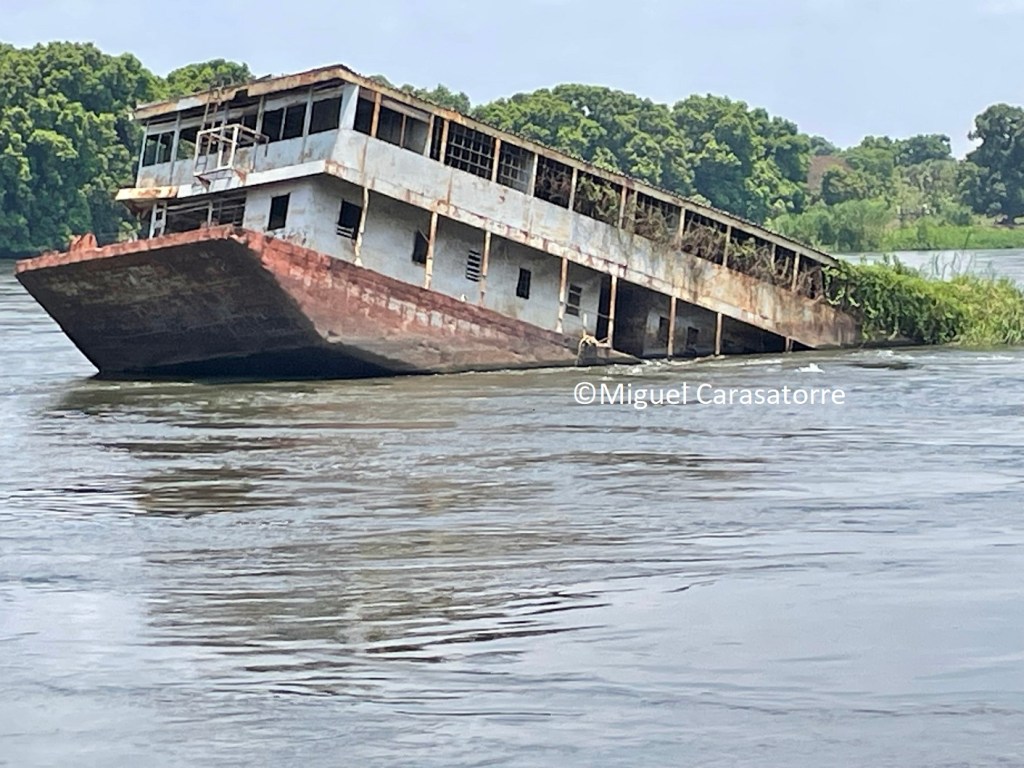
Nilo Blanco, Juba
Juba, Konyo Konyo market

Lo más bello e inolvidable de Sudán del Sur, lo que te deja una marca indeleble en la retina son los campos de ganado de sus tribus. No es un país fácil para el viajero independiente, antes diría que resulta casi imposible moverse por él sin un guía, no tanto por la logísitica o la infraestructura como por la dificultad de conseguir permisos y salvar controles policiales o militares sin ser devuelto al punto de origen. No es infrecuente terminar en una comisaría o incluso en un calabozo por algún “problemilla” administrativo como, por ejemplo, no haberse registrado como extranjero visitante durante los primeros tres días, algo que nadie te dice con antelación… Todo ello se soluciona contratando los servicios de un guía con vehículo, lo que no es precisamente barato…

The most beautiful and unforgettable thing about South Sudan, what leaves an indelible mark on your retina, are the cattle camps of its tribes. It’s not an easy country for the independent traveler; I’d even say it’s almost impossible to travel without a guide, not so much due to logistics or infrastructure, but rather due to the difficulty of obtaining permits and passing police or military checkpoints without being stopped and returned to your point of origin. It’s not uncommon to end up in a police station or even in a cell due to some administrative “small issues,” such as, for example, not having registered as an alien visitor for the first three days, something no one tells you in advance. All of this can be resolved by hiring the services of a guide with a vehicle, which isn’t exactly cheap.

Dinka village

Pero Sudán del Sur atesora un potencial de naturaleza y diversidad tribal espectacular. Los campos de ganado de los dinka y los mundari son la principal razón, de momento, para visitar el país, una experiencia única, inenarrable, que envuelve los cinco sentidos. ¿Y el futuro? El país posee unos parque nacionales inexplotados, con una abundante fauna y flora. Según dicen, similares en riqueza y variedad a los de Kenia o Tanzania. Boma es el más famoso, aunque de momento el acceso a él está limitado. La inestabilidad política es el mayor freno a su desarrollo. La seguridad, la voluntad y la cooperación serán claves en su promoción como reservas de primer nivel en el continente africano.

But South Sudan holds spectacular natural potential and tribal diversity. The cattle camps of the Dinka and the Mundari are the main reason, so far, to visit the country, a unique, indescribable experience that engages all five senses. And the future? The country has unexploited national parks with abundant flora and fauna. According to many locals, they are similar in richness and variety to those of Kenya or Tanzania. Boma is the most famous, although access to it is currently restricted. Political instability is the biggest obstacle to its development. Security, will, and cooperation will be key to promoting them as world-class game reserves on the African continent.

Mundari cattle camp

Somalia: Somaliland & Mogadiscio

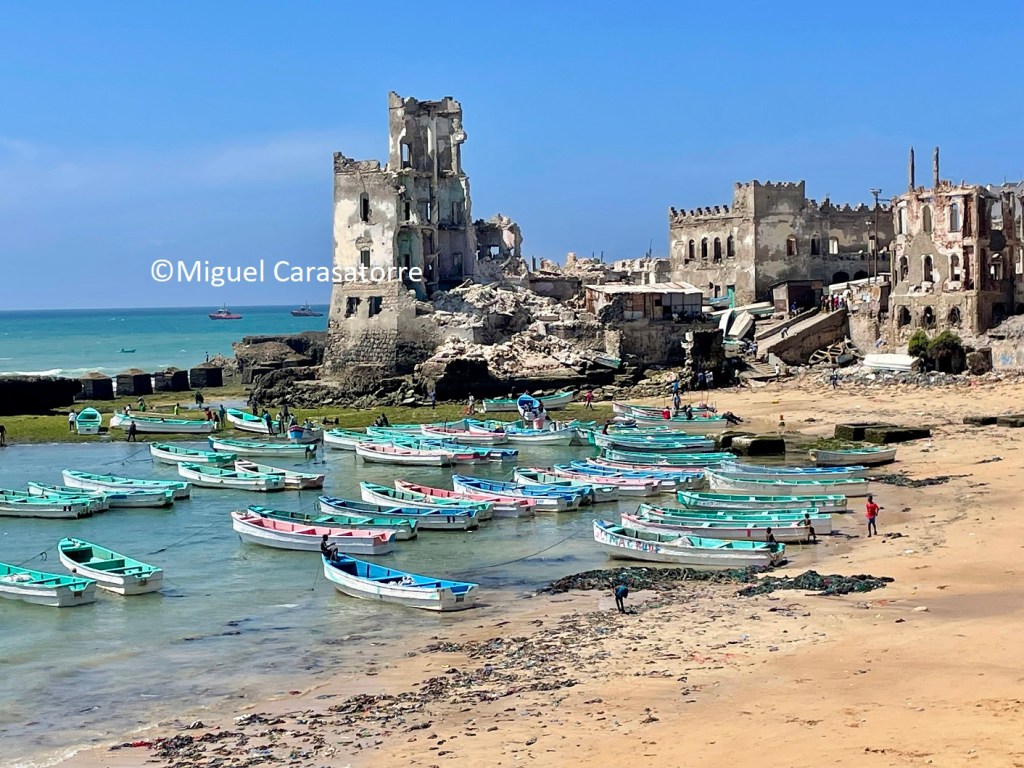
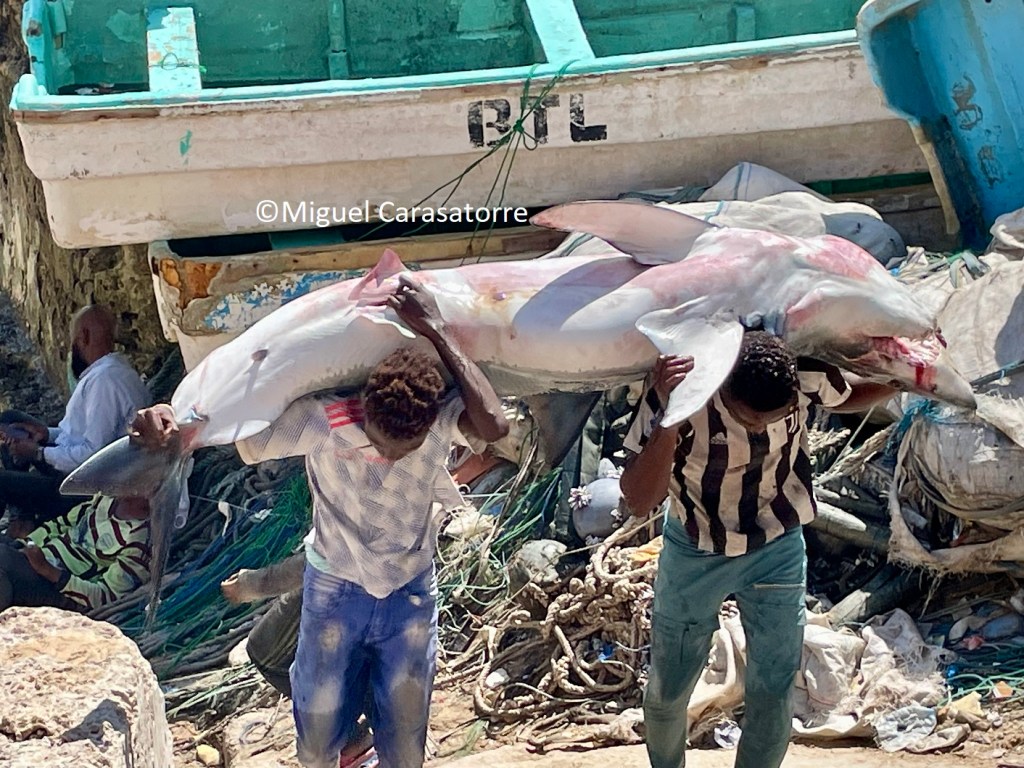
Visitar Somalia ha sido una de esas experiencias que no se olvidan, sobre todo por haberlo hecho en mitad del Ramadán, algo que le da aún más pureza, si cabe. Mucha gente se soprende ante un viaje a un lugar como Somalia, un país con muy mala fama, con una reputación de violencia, de peligro… No niego que el riesgo de un atentado está ahí, pero no hay más que mirar atrás para ver que la estadística no es peor que la de otros lugares del mundo donde la lacra del terrorismo ha golpeado. Sin lugar a dudas la capital, Mogadiscio, es el lugar en teoría maldito, una ciudad grande, polvorienta y en ruinas, la más peligrosa del mundo decía un artículo hace tiempo… Como casi siempre, la fama no se corresponde con la realidad, pues aunque es indudable que la guerra civil ha dejado escenarios de película bélica, edificios que parecen coladores y el mayor número de controles policial-militares que hemos visto en nuestra vida, también es cierto que el gobierno somalí lleva años tratando de mejorar la seguridad y fomentar el desarrollo, lo que está logrando con esfuerzo y dedicación. En ningún momento hemos sentido miedo, hemos encontrado a gente encantadora y rincones inesperadamente bellos como el faro, la playa de Lido y el incomparable mercado de pescado, donde abundan los atunes, doradas… y tiburones frescos.

Visiting Somalia has been one of those unforgettable experiences, especially because it happened in the middle of Ramadan, which makes it even purer, if possible. Many people are surprised about traveling to a place like Somalia, a country with a very bad reputation, synonym of violence, of danger… I don’t deny that the risk of an attack is there, but you only have to look back to see that the statistics are no worse than those of other places in the world where the scourge of terrorism has struck. Without a doubt, the capital, Mogadishu, is the theoretically cursed place, a large, dusty, and ruined city, the most dangerous in the world, according to an paper article some time ago… As almost always, fame doesn’t correspond to reality, because although it’s undeniable that the civil war has left behind war movie sets, buildings that look like colanders, and the largest number of police-military checkpoints we’ve ever seen, it’s also true that the Somali government has been trying to improve security and promote development for years, which it is achieving with effort and dedication. At no point did we feel afraid, we found lovely people and unexpectedly beautiful places like the lighthouse, Lido beach and the incomparable fish market, where fresh tuna, sea bream… and shark abound.

Mogadishu Lighthouse, Somalia
Fresh shark

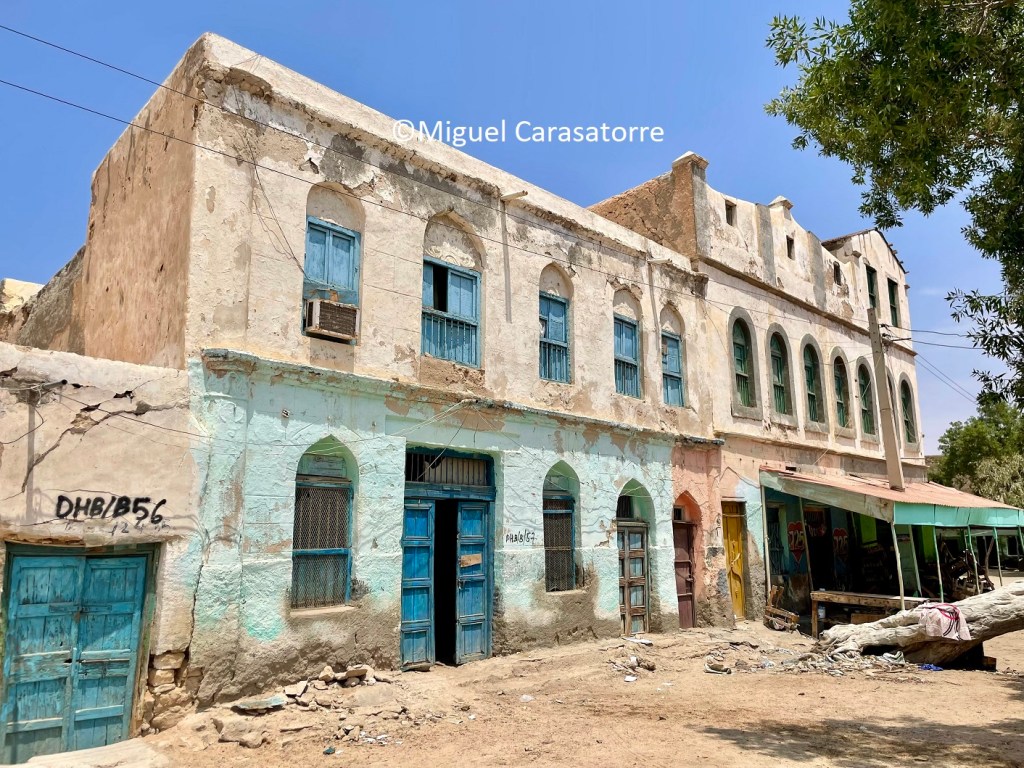
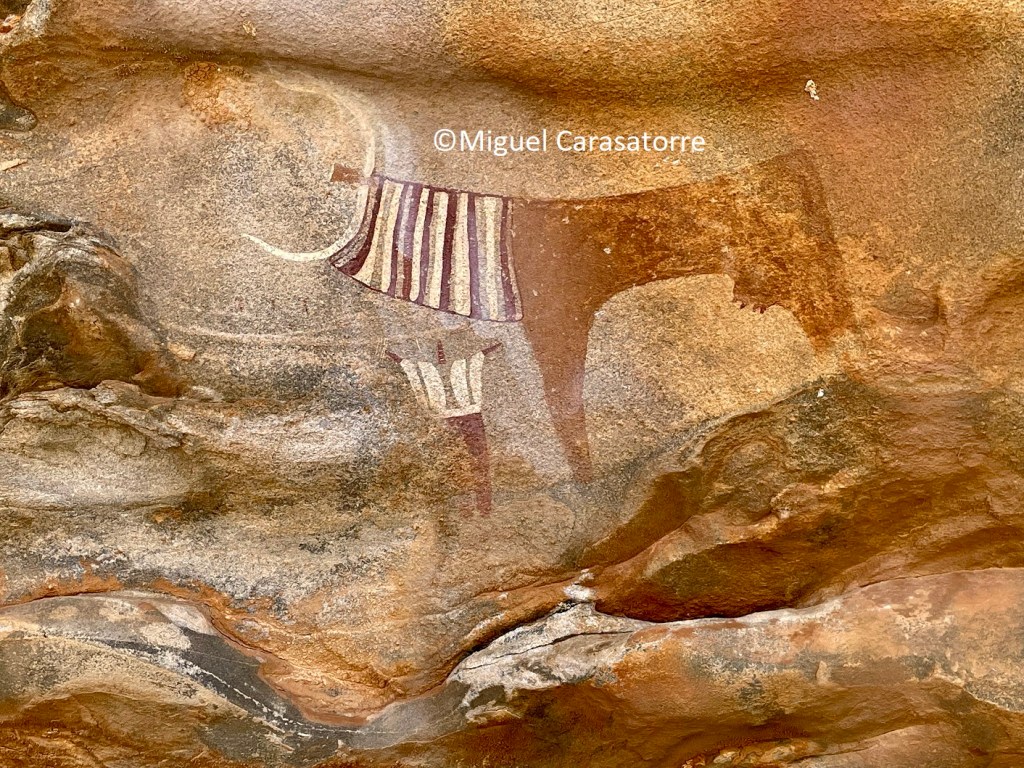
Hay otras partes de Somalia dignas de ser visitadas, por supuesto, aunque no es un país fácil, con infraestructuras anticuadas y dañadas por la guerra. No todos los lugares son seguros además. Puntlandia, Jubalandia… Es un país muy extenso. Otra de las zonas a las que se puede acceder con facilidad es Somalilandia, una región autodeclarada independiente, sin el reconocimiento de ningún país del mundo. La capital, Hargeisa, es vibrante, las pinturas rupestres de Laas Geel son sublimes y la bonita ciudad portuaria de Berbera es entrañable, una mezcla de ruina y encanto.

There are other parts of Somalia worth visiting, of course, although it’s not an easy country, with rundowned and war-damaged infrastructure. Not everywhere is safe either. Puntland, Jubaland… It’s a vast country. Another easily accessible area is Somaliland, a self-declared independent region, unrecognized by any country in the world. The capital, Hargeisa, is vibrant, the rock paintings at Laas Geel are sublime, and the pretty port city of Berbera is endearing, a mix of ruin and charm.

Berbera, Somaliland, Somalia
Laas Geel paintings

Yibuti, salida al mar / Djibouti, gate to the sea

Yibuti es la puerta al Cuerno de África: un pequeño país de gran valor estratégico por su ubicación entre dos continentes, Asia y África. Tanto es así, que superpotencias como Francia, EEUU y China han situado bases militares allí, por razones geopolíticas. Este hecho es una de las fuentes de ingresos de Yibuti, al igual que la de ser, en la práctica, el puerto marítimo de Etiopía, su salida al mar.

Djibouti is the gate to the Horn of Africa: a small country of great strategic value due to its location between two continents: Asia and Africa. It is so a key issue, that superpowers like France, the US, and China have established military bases there for geopolitical reasons. This fact is one of Djibouti’s sources of income, as is the fact that it is, in practice, Ethiopia’s seaport, its gateway to the sea.

Lago Assal

El lago Assal, uno de los puntos fuertes del país junto al lago Abbe, es el más salado del mundo después de los lagos antárticos y está a nada menos que 150m bajo el nivel del mar, en el punto más bajo del continente africano. Es un lugar de una belleza extraña, inigualable.

Lake Assal, one of the country’s highlights along with Lake Abbe, is the saltiest lake in the world after the Antarctic and lies a whopping 150 meters below sea level, the lowest point on the African continent. It is a place of strange, unparalleled beauty.

Tadjoura, Djibouti

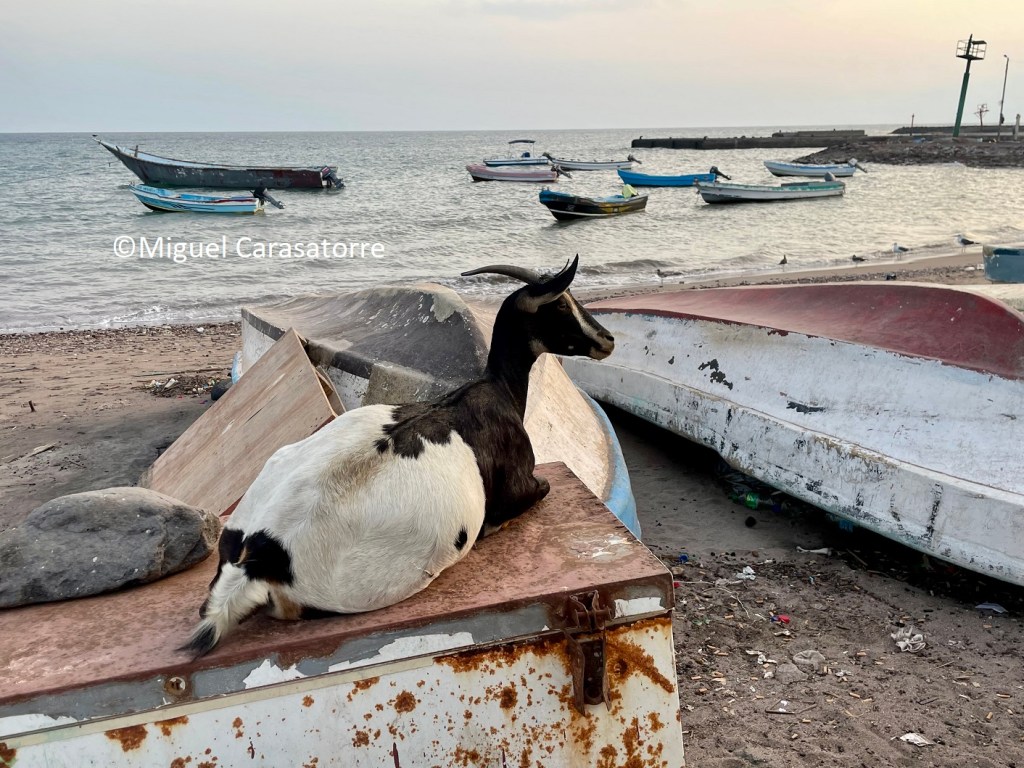
La pequeña ciudad costera de Tadjoura, frente a la capital, al otro lado de la gran bahía, es una pequeña y tranquila localidad de marcado acento árabe, rodeada de aguas turquesa y playas de arena blanca, llena de mezquitas y cabras, que rivalizan con sus habitantes por ocupar los lugares más bellos y emblemáticos. Tadjoura es un remanso de paz a un paso de ferry de la principal ciudad del país.

The small coastal town of Tadjoura, facing the capital, on the other side of the large bay, is a quiet little village with a distinctly Arabic accent, surrounded by turquoise waters and white-sand beaches, full of mosques and goats, rivaling with its inhabitants to occupy the most beautiful and emblematic spots in town. Tadjoura is a haven of peace just a ferry ride from the country’s main city.

Libia, destino único / Libya, unique destination

Libia, en el momento actual, es un lugar único. Un país dividido en dos partes, con dos gobiernos, dos ejércitos, dos bancos centrales, dos bloques de aliados externos… Pero lo más sorprendente de todo es que la vida transcurre como un remanso de paz, desde hace ya más de cuatro años, como dos hermanos que se dejan de hablar pero han enterrado el hacha de guerra, a la espera de una reconciliación. El viajero que llega a Trípoli no llega a ser consciente de la situación si nadie le explica que el 80% del territorio (aunque solo el 30% de la población) vive bajo el mando de otros gobernantes desde Bengasi, muy lejos dentro del mismo país… Esquizofrénico verdad? Sí, pero tranquilo y pacífico, gracias a la más efectiva de las medicaciones: el deseo de paz y unificación de la población en las dos partes.

Libya is a unique place today. A country divided in two parts, with two governments, two armies, two central banks, two blocks of external allies… But the most surprising thing of all is that life has been going on in peace for more than four years now, like two brothers who stop talking but have buried the hatchet, waiting for a reconciliation. The traveller who arrives in Tripoli is not aware of the situation if no one explains to him that 80% of the territory (although only 30% of the population) lives under the command of other rulers from Benghazi, far away whithin the same nation…Schizophrenic, right? Yes, but calm and peaceful, thanks to the most effective of medications: the desire for peace and unification of the population on both sides.

Fish restaurant in Tripoli

Libia atesora gente muy acogedora, gente alegre, hospitalaria al máximo, que se desvive por dar una buena imagen al visitante, todo ello bajo el cielo azul y junto a las plácidas aguas del Mediterráneo… Han pasado ya muchos años de la guerra de 2011 y ya hay ganas de resurgir.

Libya has a very welcoming, cheerful and extremely hospitable people who go out of their way to give a good image to visitors, all under the blue sky and by the calm waters of the Mediterranean… Many years have passed since the war of 2011 and there is a desire to re-emerge.

Leptis Magna, Libia

Sabratha, Libia

Un país bellísimo, marcado por la historia: beréberes, fenicios, romanos, vándalos, árabes, españoles, turcos, italianos, ingleses… con el Mediterráneo de frente y con el desierto del Sáhara de fondo. Un destino altamente recomendable: Leptis Magna, Sabratha, Trípoli, Gasr Kabaw, Gasr Nalut, Gasr Al Hajj, Ghadamis… Historia, amabilidad, azul y arcilla: Libia.

A beautiful country, marked by history: Berbers, Phoenicians, Romans, Vandals, Arabs, Spanish, Turks, Italians, English… with the Mediterranean in front and the Sahara desert in the background. A highly recommended destination: Leptis Magna, Sabratha, Tripoli, Gasr Kabaw, Gasr Nalut, Gasr Al Hajj, Ghadamis… History, kindness, blue and clay: Libya.

Gasr Al Hajj, Libya

Chad, la aventura inmensa / Chad, immense adventure

La superficie de Chad es casi cuatro veces la de Alemania, y mide unos 1.800km de norte a sur, todo ello para menos de quince millones de habitantes. La mayor parte de la población se concentra en el sur del país, mientras que el norte es desierto, un territorio seco y escarpado: Ennedi, Tibesti, pura aventura para viajeros intrépidos a los que no importe pasar quince días o más durmiendo en tienda de campaña y recorriendo zonas sin carretera bajo un clima extremo. El Chad es una inmensa aventura. Llegar hasta el inhóspito norte requiere tiempo y recursos.

Chad is almost four times the size of Germany, and measures some 1,800km from north to south, all of it just for less than fifteen million people. Most of the population is concentrated in the south of the country, while the north is desert, a dry and rugged territory: Ennedi, Tibesti, pure adventure for intrepid travelers who don’t mind spending fifteen days or more sleeping in a tent and traveling through areas without roads under extreme weather conditions. Chad is an immense adventure. Reaching the inhospitable North demands time and resources.

Djamena, the capital

Yamena, la capital del país y ciudad principal, cuenta con poco más de un millón de habitantes. Una ciudad muy extensa, donde se encuentran todas las instituciones y servicios del país. Fuera de ella, Chad es puro desafío.

Djamena, the country’s capital and main city, has just over a million inhabitants. A very large city, where all the country’s institutions and services are located. Outside of it, Chad is a pure challenge.

Canoe to Gaoui

Gaoui es un pequeño pueblo situado a menos de 15 Km de Yamena. En el momento de la visita toda esa zona estaba aislada por el desbordamiento del río Chari, la arteria fluvial más importante del país. Para llegar hasta allí fue necesario dejar la moto y navegar por las inundadas carreteras en piragua, pero el esfuerzo quedó compensado con creces. La civilización Sao, surgida alrededor del siglo VI antes de Cristo, floreció allí y sus huellas pueden contemplarse en su museo y en el palacio del sultán. Gaoui es el centro de fabricación artesanal de cerámica.

Gaoui is a small village located less than 15 km from Djamena. At the time of the visit, the entire area was cut off by the flooding of the Chari River, the country’s most important waterway. To get there, it was necessary to leave the motorbike and navigate the flooded roads by canoe, but the effort was more than worth it. The Sao civilisation, which emerged around the 6th century BC, flourished there and its traces can be seen in its museum and in the Sultan’s palace. Gaoui is the centre of artisanal pottery production.

Gaoui Museum

Otro destino atractivo en Chad es el lago que da nombre al país, un lago endorreico que se está secando progresivamente y que en su día llegó a tener una extensión mayor que la mitad de la península Ibérica. Hoy día es una zona de conflicto, donde no es posible llegar debido a la inseguridad. Una zona crítica en el complicado Sahel. Un control del ejército me obligó a detenerme y regresar, por mi propio bien. Me quedé en Douguia, a unos 30Km al sur del lago y a unas dos horas y media de la capital, una pequeña población a orillas del río Chari, que me dio una buena impresión de cómo es la vida en el medio rural del gran Chad. Un pequeño pueblo musulmán, en un país donde cristianismo e islam se reparten los fieles al 50%.

Another attractive destination in Chad is the lake that gives its name to the country, an endorheic lake that is gradually drying up and that once had an area larger than half of the Iberian Peninsula. Today it is a conflict zone, off-limits due to lack of safety. A critical area in the complicated Sahel. An army checkpoint made me stop and turn back, for my own benefit. I reached Douguia, about 30 km south of the lake and about two and a half hours from the capital, a small town on the banks of the Chari River, which gave me a good idea of ​​how life must be in the rural environment of great Chad. A small Muslim town, in a country where Christianity and Islam share the faithful 50/50.

Douguia
Douguia

República Centroafricana / Central African Republic

La República Centroafricana no es un país que atraiga el interes de muchos visitantes, así lo demuestran los datos. Ha sido un país estigmatizado por la inestabilidad, la violencia y los abusos. Demasiada carga histórica como para elevarlo a los altares del turismo de la noche a la mañana. Sin embargo, desde hace unos años parece remontar ligeramente el vuelo. La presencia del ejército nacional, de los cascos azules de la ONU y de Wagner ha facilitado que el gobierno tenga controlada la situación en la mayor parte del territorio. La RCA es uno de los países menos desarrollados del mundo, con una población sufrida y fuerte, y con un gran potencial, un “país muy africano”, con paisajes espectaculares y enormes contrastes.

The Central African Republic is not a country that attracts the interest of many visitors, as data show. It has been a country stigmatized by instability, violence and abuse. Too much of a historical burden to place it high in the podium of tourism overnight. In recent years though, it seems that things have started to change. The presence of the national army, the UN blue helmets and Wagner has helped the government to control the situation in most of the territory. The CAR is one of the least developed countries in the world, with a suffering and resilient population and with a great potential, a “very African country”, with spectacular landscapes and sharp contrasts.

Boali Falls

La principal atracción turística del país son, sin duda, las cataratas Boali, situadas a unos 100 Km al noroeste de la capital. Su altura es de unos 50m y su extensión llega a los 250m. Todo el entorno donde se encuentran es de una enorme belleza. El viaje desde Bangui es muy llevadero, a través de una carretera asfaltada que nos muestra África en su esencia. La capital es una ciudad de un millón de habitantes, muy extensa, poco congestionada si se la compara con muchas otras urbes africanas, y con pocos lugares de interés. La Catedral de Notre Dame y el caudaloso río Oubangui, que hace de frontera natural con la vecina República Democrática del Congo, son quizá lo más reseñable de Bangui.

The country’s main tourist attraction is, no doubt about, the Boali Falls, located about 100 km northwest of the capital (50 m high and 250 m long). The whole area around them is stunning. The trip from Bangui is very easy, along a paved road that shows us the spirit of Africa in hundreds of potential pictures. The capital is a city of about one million people, very large, not very congested compared to many other African cities, and with few places of interest. The Notre Dame Cathedral and the mighty Oubangui River, which forms a natural border with the neighboring Democratic Republic of Congo, are perhaps the most remarkable places in Bangui.

Notre Dame Cathedral, Bangui

Camerún, río de los camarones / Cameroon, river of prawns

Una inolvidable ruta por Camerún, empezando y acabando en Douala, la capital comercial y ciudad más poblada del país. El itinerario: Douala-Limbe-Buea-Bafoussam-Bamenda-Bafut-Foumban-Bandjoun-Yaoundé-Kribi-Douala. Un círculo que me ha permitido descubrir la complejidad de un país de gentes abiertas, energéticas y directas… Quizá por ello se conozca a su selección nacional de fútbol como “los leones indomables”

An unforgettable route through Cameroon, starting and ending in Douala, the commercial capital and most populous city in the country. The itinerary: Douala-Limbe-Buea-Bafoussam-Bamenda-Bafut-Foumban-Bandjoun-Yaoundé-Kribi-Douala. A circle that allowed me to discover the complexity of a country of open, energetic and direct people… Perhaps that is why its national football team is known as “the indomitable lions”

Limbe

A Camerún se lo conoce también como el “África en miniatura”, pues en una relativamente pequeña extensión, atesora una gran variedad de paisajes, climas y numerosos grupos religiosos dentro del cristianismo, islam y animismo. Además, su realidad etno-lingüística es extrema: 180 idiomas tribales y dos realidades culturales separadas: una mayoritaria francófona y otra minoritaria, pero no desdeñable, anglófona, al oeste del país, entidad esta última conocida como Ambazonia, siendo Limbe y Bamenda sus principales centros poblacionales. Es decir, el país viene a ser como una versión resumida del continente africano debido a su variedad y complejidad.

Cameroon is also known as “Africa in miniature”, because in a relatively small area, it treasures a great variety of landscapes, climates and numerous religious groups within Christianity, Islam and animism. In addition, its ethno-linguistic reality is extreme: 180 tribal languages ​​and two separate cultural realities: a majority French-speaking one and a minority, but not insignificant, anglophone, in the west of the country, the latter entity known as Ambazonia, with Limbe and Bamenda as its main population centers. In other words, the country is like a summarized version of the African continent, due to its diversity and complexity.

Bandjoun Chefferie

Yaoundé, the capital

La privilegiada ubicación geográfica del país y su accidentada orografía lo convierten en un escenario natural cargado de paisajes fotografiables. No son sus grandes ciudades lo más atractivo, pero en ellas se es testigo de una forma de vida urbana muy intensa. El Monte Camerún (4.000m de altura), los numerosos lagos en cráteres, los parques nacionales con abundante fauna, la vegetación exuberante de su entorno rural o su litoral atlántico, son los elementos que atraen primordialmente la atención de los visitantes.

The country’s privileged geographical location and rugged topography make it a natural setting full of photographable landscapes. Its big cities are not its most attractive feature, but they do show the very intense urban way of life. Mount Cameroon (4.000m high), the numerous crater lakes, the national game reserves with abundant wildlife, the lush vegetation of its rural environment and its Atlantic coastline are the points that primarily attract the attention of visitors.

Lobé Falls, Kribi

Makoko, miseria flotante / floating poverty

En medio de la metrópolis más rica de África surge Makoko, la ciudad de los desheredados, de la pobreza extrema, un lugar indeseado por el gobierno nigeriano, una aparición que flota en la laguna, olvidada para los dirigentes de Lagos, la segunda ciudad más poblada del continente. Makoko pasó de ser un pequeño asentamiento de pescadores a una población de casi medio millón de almas, muchas de las cuales viven en situación de indigencia. Para mayor agravio, Makoko no está lejos de Banana Island, un exclusivo barrio al que solo se accede con un código, un barrio de lujo extremo, con helipuertos y embarcaderos privados, la zona más opulenta de la ciudad.

Right in the middle of Africa’s richest metropolis lies Makoko, the city of the dispossessed, of extreme poverty, an undesired place for the Nigerian government, a ghost floating in the lagoon, forsaken by the rulers of Lagos, the second most populous city on the continent. Makoko has grown from a small fishing settlement to a population of almost half a million souls, many of whom live in poverty. To make matters worse, Makoko is not far from Banana Island, an exclusive neighbourhood that can only be accessed with a code, a neighbourhood of extreme luxury, with helipads and private jetties, the most opulent area of ​​the city.

Una vez allí, navegando sus callejuelas en medio de esa Venecia del horror, un lugar donde no falta la violencia organizada y donde los niños juegan entre los palafitos sobre unos pocos metros cuadrados disponibles, la vida nos muestra su lado más cruel y, soprendentemente, también nos enseña cómo muchos de esos seres humanos crecidos entre pescado, agua negras y pestilentes, maderas podridas y toneladas de basura, son capaces de esbozar una sonrisa y saludarnos con una mezcla de curiosidad y afecto.

Once there, navigating the narrow channels of this Venice of horror, a place where there is no shortage of organized violence and where children play among the stilt houses on the few square meters available, life shows us its cruelest side and, surprisingly, also teaches us how many of those human beings raised among fish, black and stinking water, rotten wood and tons of garbage, are able to give a smile and greet us with a mixture of curiosity and affection.

De Namibe a Malabo / From Namibe to Malabo

Ruta por el suroeste de África, recorriendo partes de Angola, la República Democrática del Congo, la República del Congo, Gabón y Guinea Ecuatorial, una de las zonas menos concurridas y conocidas del continente, pero también una de las más frondosas y bellas.

Route through southwest Africa, visiting parts of Angola, the Democratic Republic of the Congo, the Republic of the Congo, Gabon and Equatorial Guinea, one of the least-visited areas of the continent, but also one of the most lush and beautiful.

Calandula, Angola

Angola es quizá uno de los países más recomendables para empezar a viajar por África. Atrás quedaron los tiempos de la devastadora guerra civil: 30 años que dejaron una reputación muy perjudicial para el país y que el gobierno angoleño está intentando borrar. Han pasado 20 años desde su fin y Angola merece una mejor nota. El gobierno parece dispuesto a la apertura y a apostar por el turismo, tal vez porque el petróleo ya no es una fuente de ingresos suficiente. Se acabó el carísimo visado de antes, se han suprimido los controles militares en las carreteras y hay una cierta mejora en las infraestructuras. El país es muy interesante. Su naturaleza, sus ciudades y el carácter de su gente, educada y tranquila. Además, la huella de la época colonial portuguesa se puede ver en la arquitectura y la gastronomía. Viajar por Angola es seguro, barato y nada agobiante, con muy pocos turistas… De momento, al menos. Nuestro recorrido cubrió Namibe, Chibia, Lubango, Benguela, Lobito, Quissama, Calandula y Luanda.

Angola is probably one of the most recommendable countries to start travelling in Africa. Gone are the days of the devastating civil war: 30 years that left a very damaging reputation for the country and that the Angolan government is trying to erase. Twenty years have passed since its end and Angola deserves a better rating now. The government seems willing to open up and invest in tourism, perhaps because oil is no longer a sufficient source of income. The very expensive visa needed is over, military checkpoints on the roads have been removed and there is some improvement in infrastructure. The country is very interesting. Its nature, its cities and the character of its people, polite and calm. In addition, the traces of the Portuguese colonial era can be seen in the architecture and gastronomy. Travelling through Angola is safe, cheap and not overwhelming, with very few tourists… so far at least. Our tour covered Namibe, Chibia, Lubango, Benguela, Lobito, Quissama, Calandula and Luanda.

Fenda da Tundavala, Huila, Angola
Serra da Leba, Lubango, Angola
Kissama, Angola

Kinshasa, la inmensa y caótica capital de la República Democrática del Congo, esconde un tesoro, al salir de sus límites tras 2 ó 3 horas de tráfico infame por las congestionadas calles: el paraíso de los bonobos, un edén para los privilegiados simios que habitan el plácido santuario, ajenos a la megaurbe. Dicen que los bonobos son los más parecidos a los humanos de entre todos los primates, pero tienen la particularidad de solucionar los conflictos con la práctica sexual frenética… Ahí queda 🤔

Kinshasa, the immense and chaotic capital of the Democratic Republic of the Congo, hides a treasure, just outside its limits after 2 or 3 hours of infamous traffic on its congested streets: the bonobo paradise, an Eden for the privileged apes that inhabit the placid sanctuary, far from the megacity. They say that bonobos are the most similar to humans of all primates, but they have the particularity of solving conflicts with frenetic sexual practice… 🤔

Kinshasa, DR Congo
Bonobos Sanctuary, RDC

Cruzando el majestuoso río Congo se llega a Brazzaville, capital de la República del Congo, un país con una naturaleza exuberante y con unas ciudades tranquilas, seguras y ordenadas, algo sorprendente para estándares africanos, muy diferente a la República Democrática del Congo…

Crossing the majestic Congo River you reach Brazzaville, capital of the Republic of Congo, a country with lush nature and quiet, safe and orderly cities, something surprising by African standards, very different from the Democratic Republic of Congo…

The big river Congo from Brazzaville
Street market in Pointe Noire, Republic of Congo

Atravesar la República del Congo y llegar a Gabòn no es tarea fácil. Hay pocas carreteras y el transporte es muy límitado, así que tuvimos que elegir entre armarnos de paciencia o volar. La República gabonesa se puede considerar como la última reserva forestal de África, pero es también un país rico en petróleo y uranio… Posee el que es probablemente el mejor parque nacional de todo el continente, Loango, a precio de billonario la visita, claro está. Gabón es un país poco poblado y poco visitado, que no explota en absoluto su potencial turístico, tal vez porque no lo necesita.

Crossing the Republic of Congo and reaching Gabon is not easy. There are few roads and transport is very limited, so you had to make a decision: arm ourselves with patience or fly. The Gabonese Republic can be considered the last forest reserve in Africa, but it is also a country rich in oil and uranium… It has what is probably the best national park on the entire continent, Loango, at a cost of billions a visit, of course. Gabon is a sparsely populated and little-visited country, which does not exploit its tourist potential at all, maybe because it does not need it.

Road scene in Gabon, near Lambarané
Pointe Denis, facing Libreville, Gabon

Y por último Guinea Ecuatorial, el único país africano de habla hispana, que atesora una espectacular naturaleza y un precioso legado arquitectónico dejado por España. No es un país fácil para el viajero independiente, pues es uno de esos pocos países del mundo donde se exigen permisos para desplazarse. Además, el transporte no es abundante y el terreno es muy accidentado. Moverse para disfrutar de su encanto natural queda en manos de agencias que saben hacer su agosto. A pesar de todo, se agradece hablar español y comer aceitunas en África. Dimos buena cuenta de ello…

And finally, Equatorial Guinea, the only Spanish-speaking African country, which has spectacular nature and a beautiful architectural legacy left by Spain. It is not an easy country for independent travellers, as it is one of the few countries in the world where travel permits are required. In addition, transport is not plentiful and the terrain is very rugged. Getting around to enjoy its natural charm is left to agencies that know how to make good money. Despite everything, it is appreciated to speak Spanish and eat olives in Africa. We got a good taste of it…

Lush nature in Equatorial Guinea
Santa Isabel Cathedral in Malabo, Bioko, Guinea Ecuatorial

Eritrea, la singularidad excepcional / Eritrea, exceptional singularity

Eritrea es uno de los países más singulares, excepcionales y extraños que se pueden encontrar en el mundo. “Tres estaciones en tres horas”, ese es el eslógan del que hace gala el Ministerio de Transportes y Turismo, el mismo que permite o niega moverte libremente por cualquier lugar del país. Y es que en ese espacio de tiempo vas del otoño al verano pasando por la primavera, desde los 2.400m de altura de la capital, Asmara, hasta Massawa, a orillas del Mar Rojo. Una realidad natural, social y política que sólo se comprende totalmente viniendo a este poco conocido país, que algunos llaman “La Corea del Norte africana”…

Eritrea is one of the most unique, exceptional and strange countries that can be found in the world. “Three stations in three hours”, that is the slogan displayed by the Ministry of Transport and Tourism, the same one that allows or denies you to move freely anywhere in the country. And in that period of time you go from fall to summer through spring, from the 2,400m altitude of the capital, Asmara, to the port city of Massawa, at the shore of the Red Sea. A natural, social and political reality that can only be fully understood by coming to this little-known country, which some call “African North Korea”…

Italian Cafeteria in Asmara

Pero, la primera pregunta que se hace uno es: ¿Estoy realmente en África? Inevitable pregunta al pasear por Asmara, la limpia, segura y ordenada capital de Eritrea. Algo insólito en el continente: bulevares amplios, tráfico respetuoso con el viandante, edificios art deco y multitud de cafés y pasticcerias, la “pequeña Roma”, como la llaman algunos… Italia dejó un legado que el país ha sabido conservar. Además, la altitud (2400m) le regala un clima agradable casi todo el año.

But, the first question once you get here is: Am I really in Africa? Unavoidable question when walking through Asmara, the cute, safe and tidy capital of Eritrea. Something unusual on the continent: wide boulevards, pedestrian-friendly traffic, art deco buildings and a multitude of cafes and pasticcerias “the little Rome” as some people name it… Italy left a legacy that the country has succesfully managed to preserve. In addition, the altitude (2400m) gives it a pleasant climate almost all year round.

Cinema Impero, Asmara
Tank graveyard, Asmara

Cuando sales de Asmara, hacia alguno de los otros lugares donde está permitido viajar, ves la otra realidad del país: el subdesarrollo, los efectos de la larga guerra de secesión de Etiopía y el férreo control de movimientos. Es cuando te das cuenta de su heterogeneidad: un país pequeño de 6 millones de habitantes, pero que comprende 9 etnias (nueve idiomas) y dos grandes religiones al 50/50: cristianismo e Islam. Eritrea es un lugar complejo, en difícil equilibrio, ubicado en una zona sensible como es el Cuerno de África, y también es un destino apasionante, que es mejor descubrir visitándolo.

When you leave Asmara, to visit any other of the few places where travel is allowed, you see the other reality of the country: underdevelopment, the effects of Ethiopia’s long secession war and the tight control of movements. It is when you realize its heterogeneity: a small country of 6 million inhabitants that includes 9 ethnic groups (nine languages) and two great religions 50/50: Christianity and Islam. Eritrea is a complex place, in a difficult balance, located in a sensitive area, such as the Horn of Africa, and it is also an exciting destination, which is best discovered getting there.

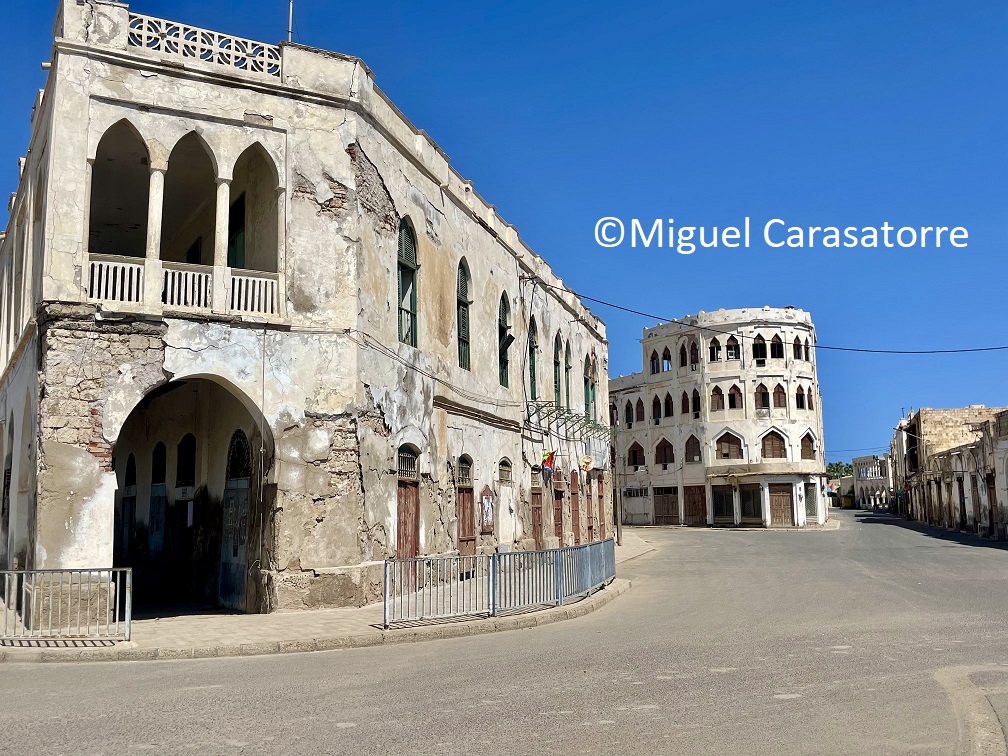
Massawa, el puerto de Eritrea en el Mar Rojo / The port city of Eritrea by the Red Sea
Massawa, ciudad vieja / Massawa, old city