Yemen, el país escondido / the secret country

Yemen no ha sido un destino fácil. Un último mes y medio turbulento, tras años de una relativa calma en la mitad sur, amenazaba con la cancelación del viaje hasta el último momento: aeropuertos que se cerraban, destinos que quedaban fuera del alcance de los viajeros, noticias desesperanzadoras y amenazas de conflicto armado. Tras muchos vaivenes y muchas ganas, se consiguió, y el premio fue magnífico: nos encontramos con un país singular, diferente a cualquier otro, con mesetas áridas deshabitadas surcadas por cañones y valles verdes donde aparecen pueblos encantadores, de edificios inimaginables y gentes extremadamente acogedoras.

Yemen has not been an easy destination. A turbulent final month and a half, after years of relative calm in the southern half of the country, threatened to cancel the trip until the very last moment: airports closing, destinations slipping out of reach for travelers, bleak news, and threats of armed conflict. After many ups and downs, and a great deal of determination, it finally happened, and the reward was magnificent. We discovered a singular country, unlike any other, with uninhabited arid plateaus carved by canyons, and green valleys where charming villages appear, with unimaginable buildings and extraordinarily welcoming people.
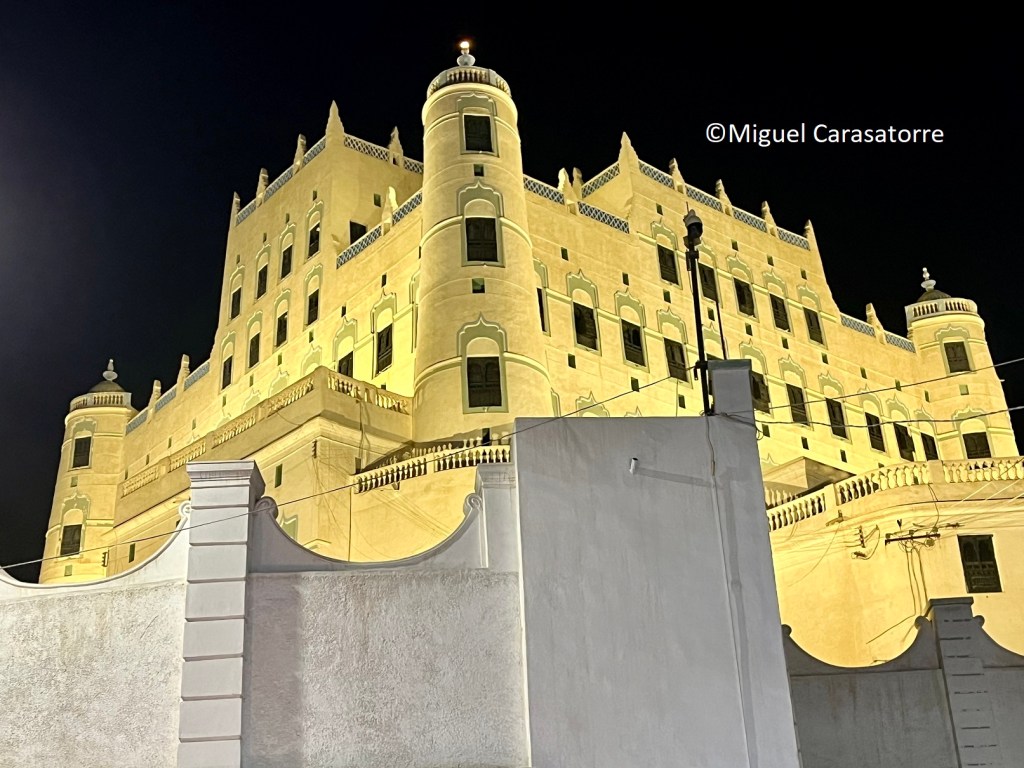
Palace, Seiyun

Yemen es un país dividido en dos zonas, con tres gobiernos: el del norte, el del sur y el oficial, establecido en Arabia Saudí. Los controles militares se suceden cada pocos kilómetros, pero en ningún momento tuvimos sensación de peligro, sino amabilidad y curiosidad por parte de la gente. Viajar a Yemen es como reencontrarse con un pasado de cercanía y curiosidad que solo se descubre en muy pocos países del mundo.

Yemen is divided into two zones, with three governments: the northern one, the southern one, and the official government, based in Saudi Arabia. Military checkpoints appear every few kilometers, but at no point did we feel a sense of danger, but just kindness and curiosity from the people. Traveling to Yemen is like reconnecting with a past sense of closeness and curiosity that can only be found in very few countries in the world.
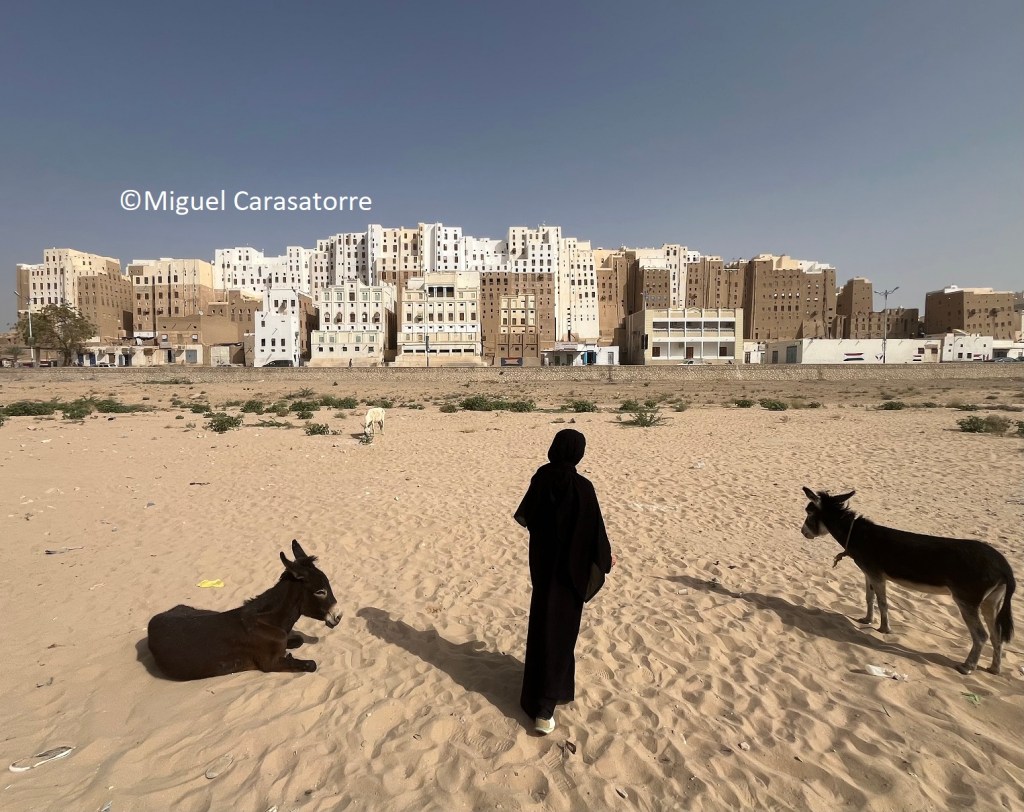
Shibam

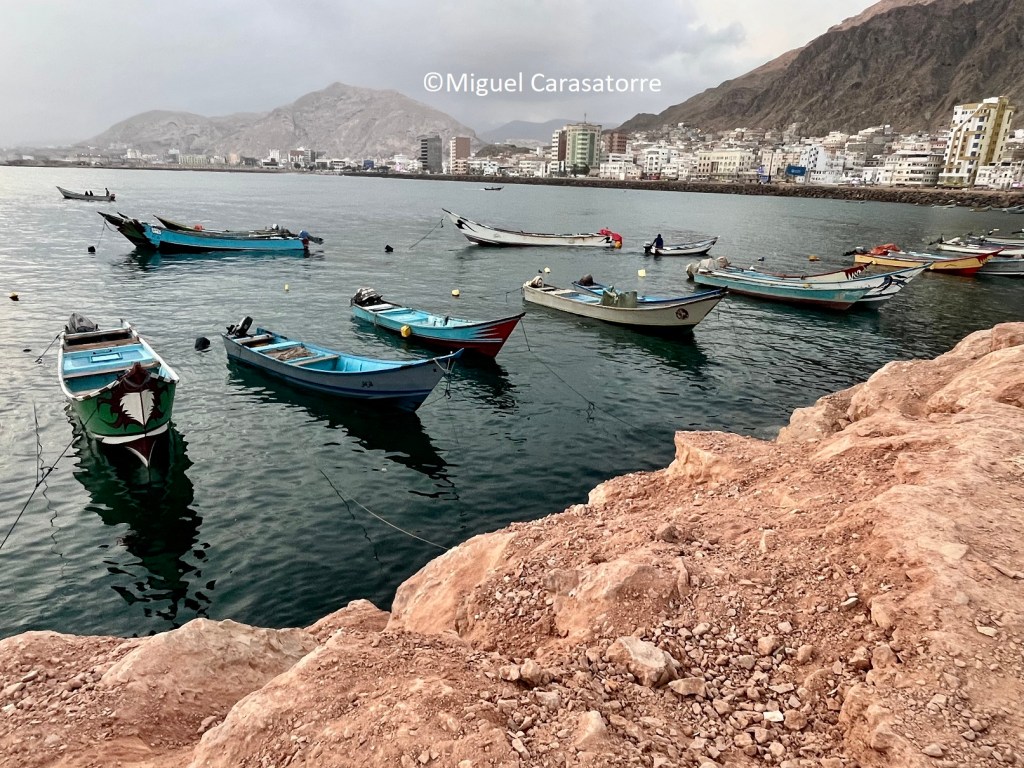
El futuro del país es incierto, pues hay muchos intereses externos en juego y escasa voluntad para alcanzar acuerdos que permitan reunificarlo. Visitar el norte del país, la joya de la corona yemení, está fuera de lugar en estos momentos, pero el resto del territorioestá abierto y regala paisajes y experiencias inolvidables, que bien merecen la pena. Las fotos son de la región de Hadramaut: Seiyun, Shibam, Wadi Dawan y Mukalla, en el sur.

The future of the country is uncertain, as many external interests are at play and there is little willingness to reach agreements that would allow for reunification. Visiting the north of the country—the jewel of Yemen’s crown—is not advisable at the moment, but the rest of the territory is open and offers unforgettable landscapes and experiences that are truly worth it. The photos are from the Hadramaut region: Seiyun, Shibam, Wadi Dawan, and Mukalla, in the south.
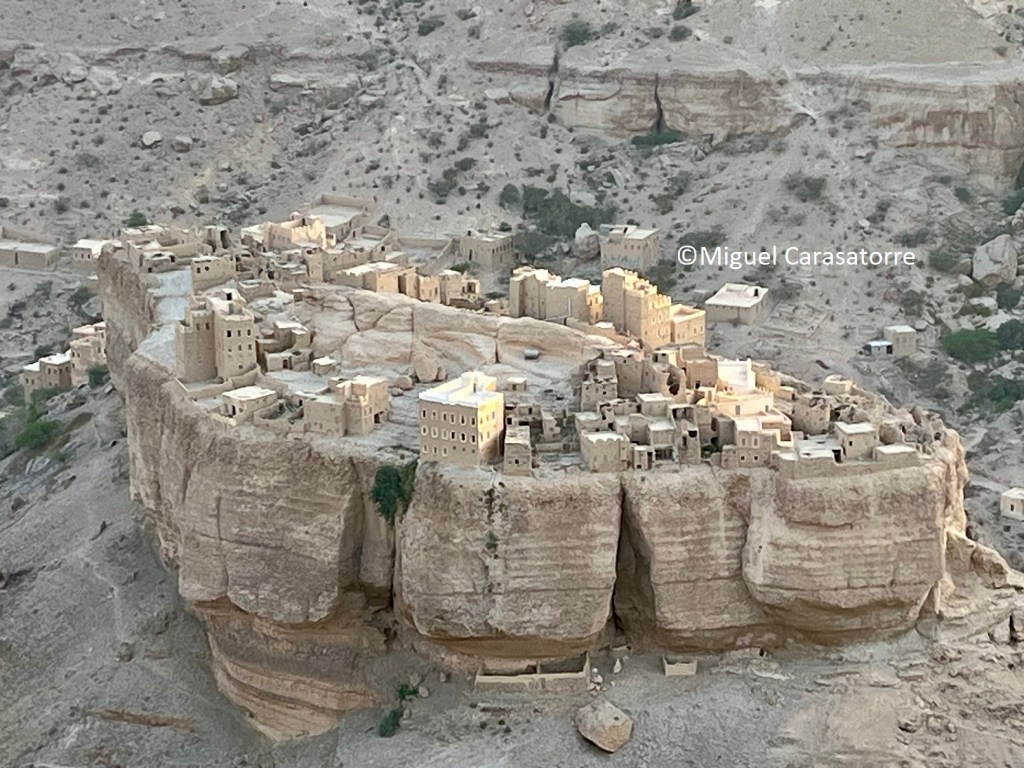
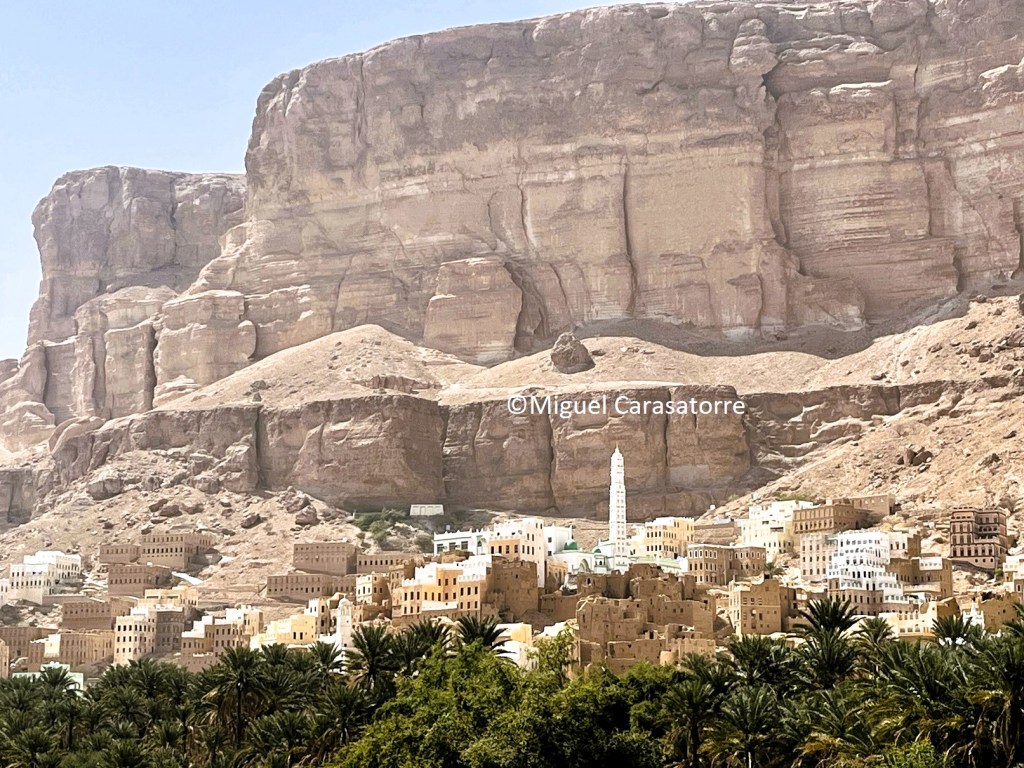
Haid al-Jazil

Wadi Dawan

Mukalla

Sudan, viajar en conflicto / traveling in conflict

Sudán es un país en guerra. Dos facciones del ejército están enfrentadas y han logrado dividir el país en dos. No se trata de un fenómeno reciente, ya que el país lleva sumido en conflictos armados desde hace más de cincuenta años. No es fácil viajar a un lugar en conflicto. La población sobrelleva la situación con resignación y un toque de amargura, pero también con esperanza en los ojos.

Sudan is a country at war. Two factions of the army are fighting each other and have managed to divide the country in two. This is not a recent phenomenon, as the country has been immersed in armed conflicts for more than fifty years. Traveling to a place in conflict is not easy. The population endures the situation with resignation and a touch of bitterness, but also with hope in their eyes.

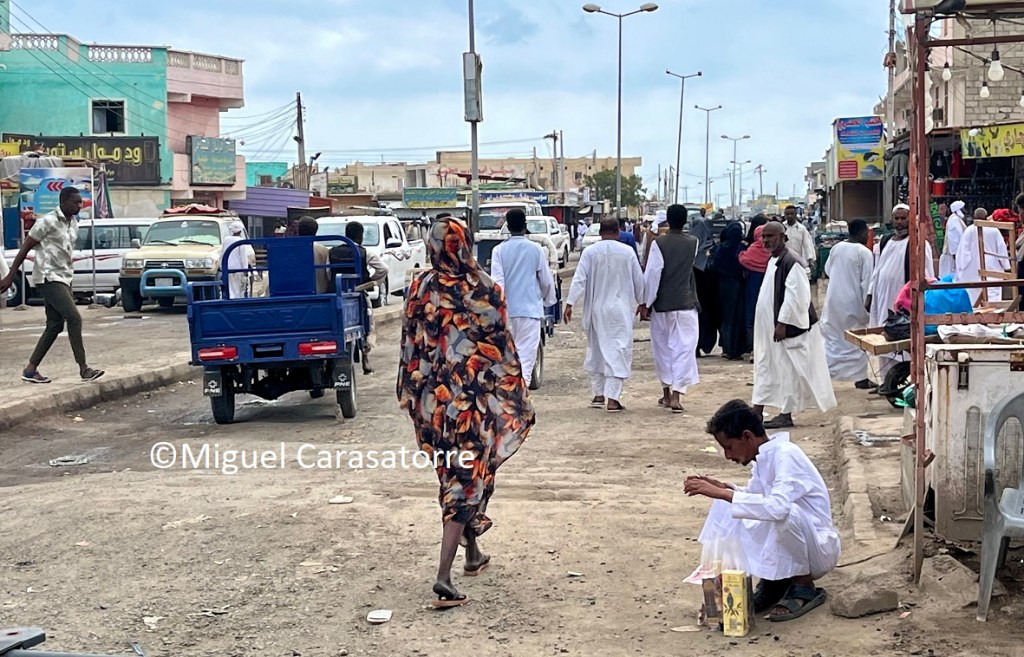
Port Sudan

Actualmente, solo es relativamente seguro viajar al extremo nororiental: Puerto Sudán y la zona del mar Rojo, aunque tampoco puede garantizar completamente la seguridad. Tras una temporada de relativa paz en las regiones este y norte, ya se empieza a hablar de una posible apertura al turismo en otras partes de Sudán, como la zona de las pirámides de Meroe, Nubia y la capital, Jartum. Sin embargo, todavía parece pronto para viajar a zonas devastadas, donde los servicios más básicos escasean.

Currently, only the far northeastern part of the country is relatively safe to travel to: Port Sudan and the Red Sea area, although it cannot be considered completely safe. After a period of relative peace in the eastern and northern regions, there is already talk of a possible reopening to tourism in other parts of Sudan, such as the area of the Meroe pyramids, Nubia, and the capital, Khartoum. However, it still seems too early to travel to devastated areas where even the most basic services are scarce.

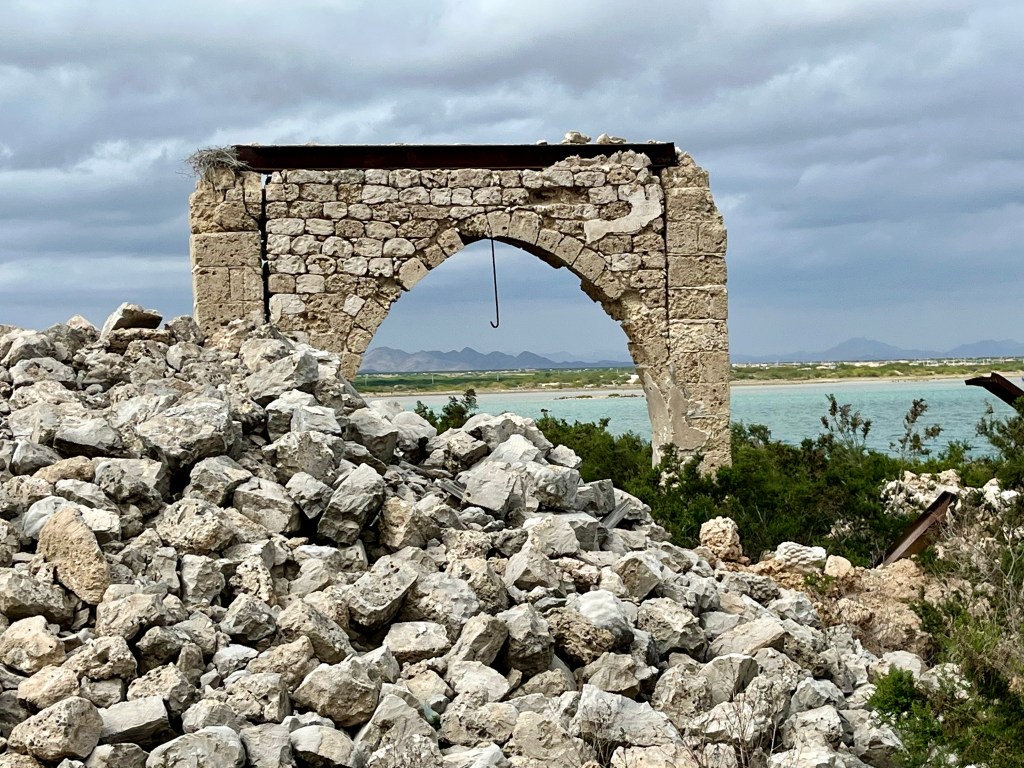
Suakin Island

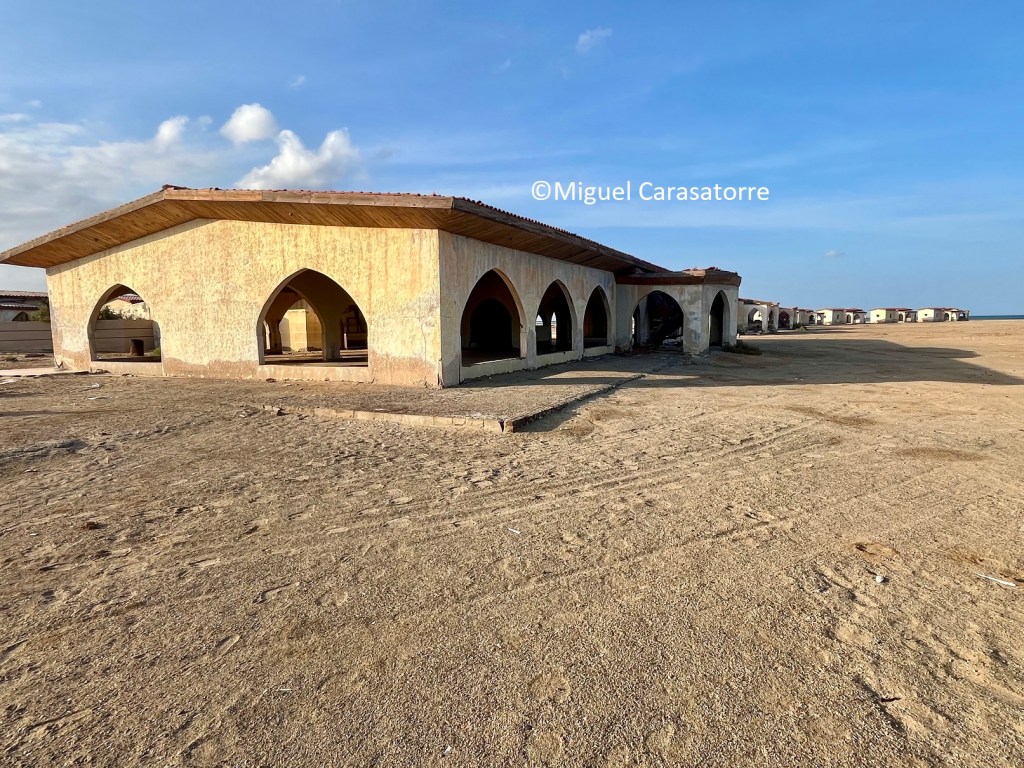
Moverse por Sudán no es fácil, pero su gente lucha cada día por mantener una vida más o menos normal en medio de la adversidad y la incertidumbre. A pesar de todo, no pierden la esperanza en un futuro en paz, incluso frente a la indiferencia de los grandes medios de comunicación y de los líderes de los países más poderosos e influyentes. Unos pocos días en el país me han servido para descubrir un lugar fascinante y a una gente entrañable, con una fuerte tradición cultural y religiosa. Un escenario maravilloso para captar instantes llenos de simbolismo y sentimiento, de los que dejo aquí algunas imágenes: Puerto Sudán, la isla de Suakin y el abandonado resort de Arous.

Getting around Sudan is not easy, but its people struggle every day to maintain a more or less normal life amid adversity and uncertainty. Despite everything, they have not lost hope for a peaceful future, even in the face of indifference from major media outlets and the leaders of the most powerful and influential countries. A few days in the country were enough for me to discover a fascinating place and warm, welcoming people with a strong cultural and religious tradition. A wonderful setting for capturing moments full of symbolism and emotion, some of which are shown here: Port Sudan, the island of Suakin, and the abandoned resort of Arous.

Abandoned resort of Arous

Maldivas, tres países / Maldives, three countries

En las Maldivas conviven, en realidad, tres países distintos. Tres realidades superpuestas que apenas se mezclan, como si hubieran pactado una convivencia cordial con una cláusula tácita: cada cual a lo suyo.

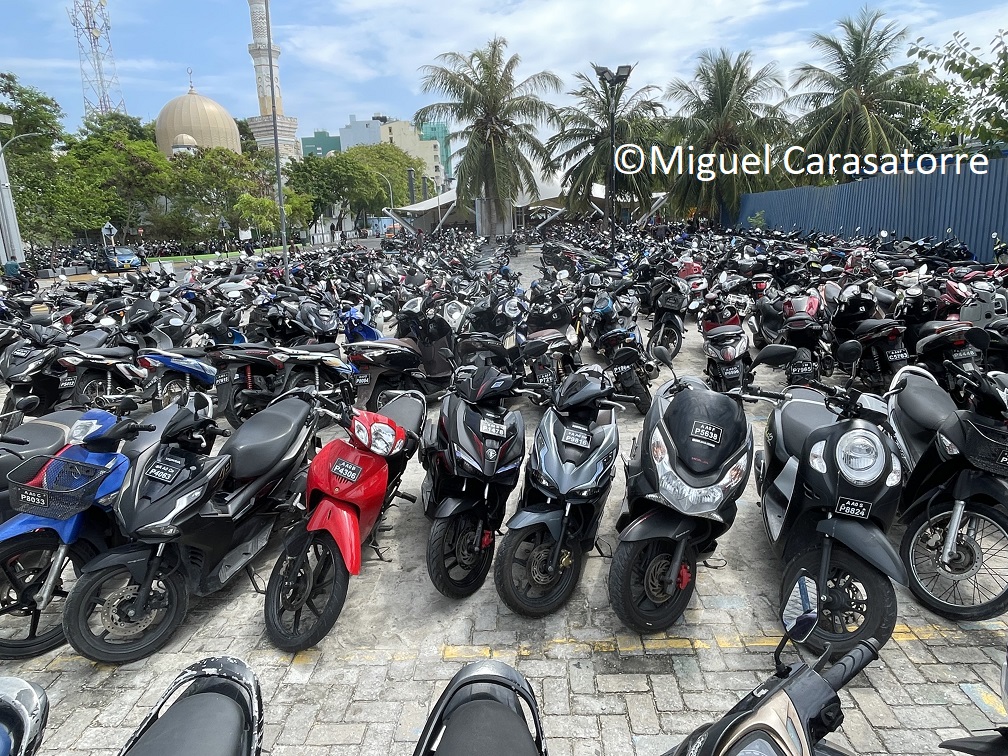
El primero es el de las islas habitadas, donde transcurre la vida cotidiana: la de quienes madrugan, dependen del ferry para cualquier desplazamiento y esquivan motos por calles demasiado estrechas. Su capital, Malé, es un ejemplo extremo de densidad urbana: tanto tráfico y tan poco espacio que cruzarla a pie suele ser más rápido que hacerlo en motocicleta, cuyo número es incontable. Desde el nivel de la calle, el horizonte no existe; solo desde alguna azotea es posible intuirlo… y aun así, lo más probable es que la vista termine en otras azoteas.

In the Maldives, three different countries coexist. Three overlapping realities that rarely mingle, as if bound by an unspoken agreement of cordial coexistence with a discreet clause: everyone stay in your lane.

The first country is that of the inhabited islands, where everyday life unfolds: early mornings, ferries for nearly every errand, and narrow streets ruled by an army of motorbikes. Its capital, Malé, is a case study in urban density, a place so congested that walking often outpaces any motorized option. From street level, the horizon is a privilege; even from a rooftop, the view tends to end on another rooftop.


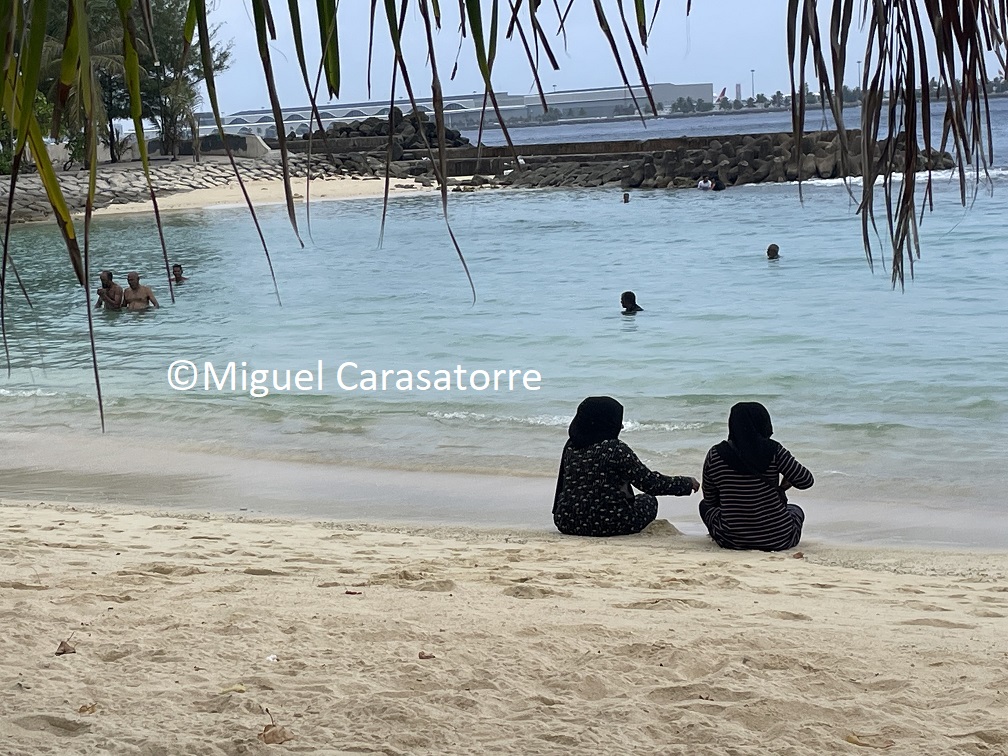
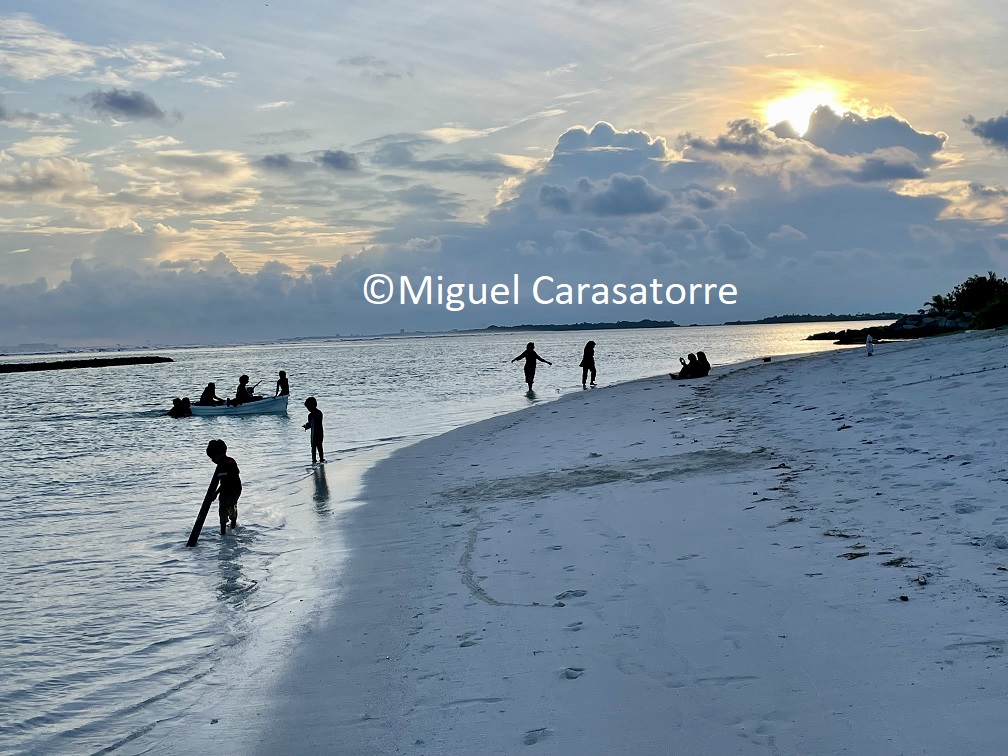
En este país cotidiano también están Maafushi, célebre por recibir turistas en masa, una isla auténticamente maldiva, aunque con escaso encanto y abundante “turisteo” y Thulusdhoo, de ambiente más sereno y cuidado. Esta última es territorio de surfistas en busca de la ola perfecta y de vecinos que los observan con una mezcla de paciencia y familiaridad.

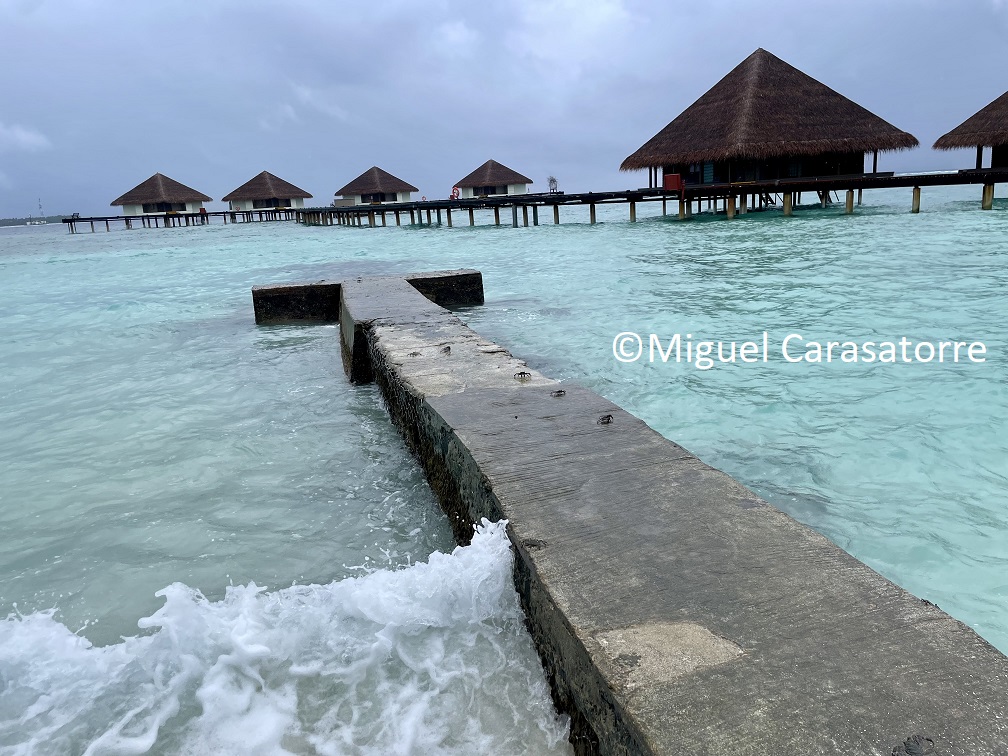
El segundo país es un universo paralelo: el de las islas-resort. Pequeños enclaves convertidos en jaulas de oro, o quizá de alcohol, donde basta un corto trayecto en barco para pasar de la estricta sobriedad del país musulmán a un mundo donde los cócteles fluyen casi a granel. En estas islas, los turistas caminan descalzos y sonrientes, como si la existencia se redujera a un brunch ilimitado o a un tardeo perpetuo. Entre chapuzones y fotos idílicas, algunos se preguntan si realmente quieren volver a la civilización, mientras pagan precios que rozan lo ofensivo (un café expreso por siete dólares). Yo visité uno cuyo nombre, repleto de vocales, resulta casi impronunciable.

This lived-in Maldives also includes Maafushi, famous for receiving tourists by the hundreds, a genuinely Maldivian island, albeit one with little charm left and plenty of “touristy” excess. And then there is Thulusdhoo, quieter and better kept, an island where surfers chase world-class waves while locals watch with calm familiarity. The prestige is deserved: two of the country’s most renowned breaks, Coke’s and Chicken’s, crash just offshore.

The second country feels like a parallel universe: the resort islands. These tiny atolls operate as gilded cages, or perhaps cages stocked with alcohol, where a short boat ride transports visitors from a conservative Muslim nation to a world of nearly wholesale cocktail consumption. Here, tourists drift barefoot and smiling, as if life consisted of nothing more than everlasting brunch and an endless happy hour. Between dips in the ocean and impeccably curated sunsets, some begin to question whether they truly want to return to civilization… all while paying prices that verge on the absurd (seven dollars for an espresso). I visited one of these islands, its name nearly unpronounceable and overloaded with vowels.


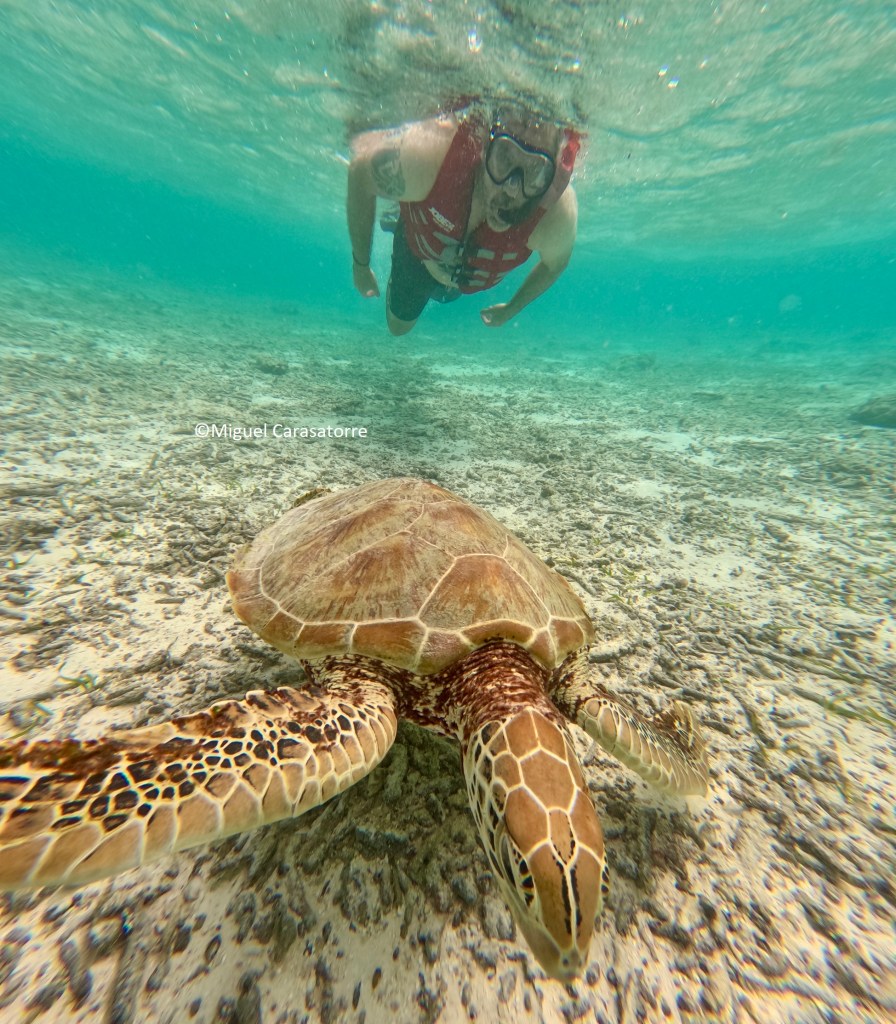
Y el tercero, quizá el más fascinante, es el país submarino. Una nación silenciosa gobernada por tortugas, rayas y tiburones, y que justifica por sí sola el viaje. Bastan unos metros bajo el agua para que desaparezcan, como por arte de magia, los speedboats, los all-inclusive y los asaltantes de buffet. Quedan solo el silencio líquido, los corales y los peces de colores, siempre mejor vestidos que muchos de sus visitantes de tierra firme.

And then there is the third country, undoubtedly the most compelling: the underwater world. A silent nation ruled by turtles, rays, and sharks, and one that alone justifies the journey. Just a few meters below the surface, the speedboats, all-inclusive resorts, and buffet raiders vanish. What remains is a realm of quiet magic: coral, color, and fish dressed far more elegant than many of their temporary human visitors.

Así funcionan las Maldivas: tres países perfectamente ensamblados, que avanzan sin fricciones mientras cada uno permanezca en su territorio.

This is how the Maldives function: three superimposed countries, seamlessly interlocked, each thriving so long as everyone stays where they belong.

Bután, amor a primera vista / Bhutan, love at first sight

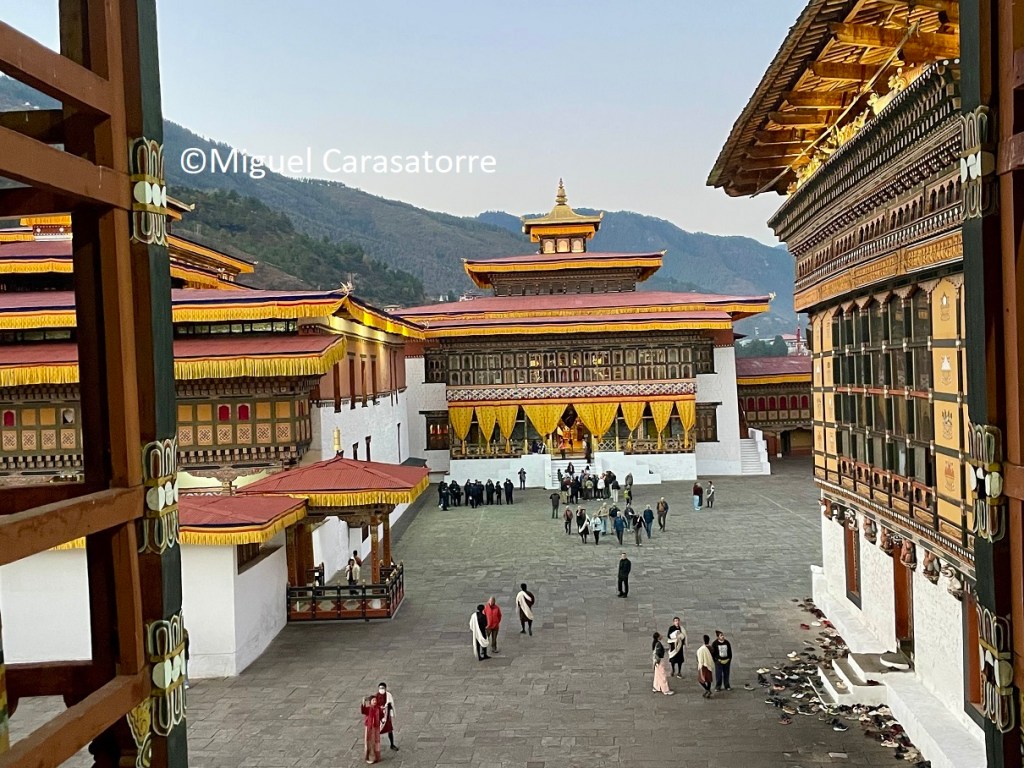
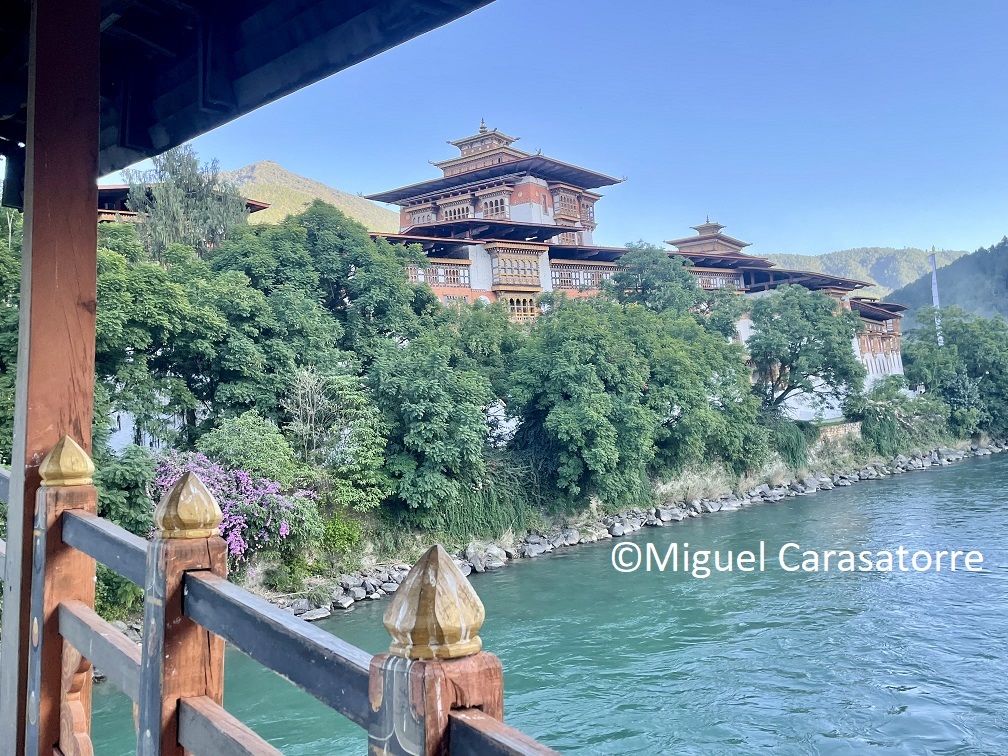
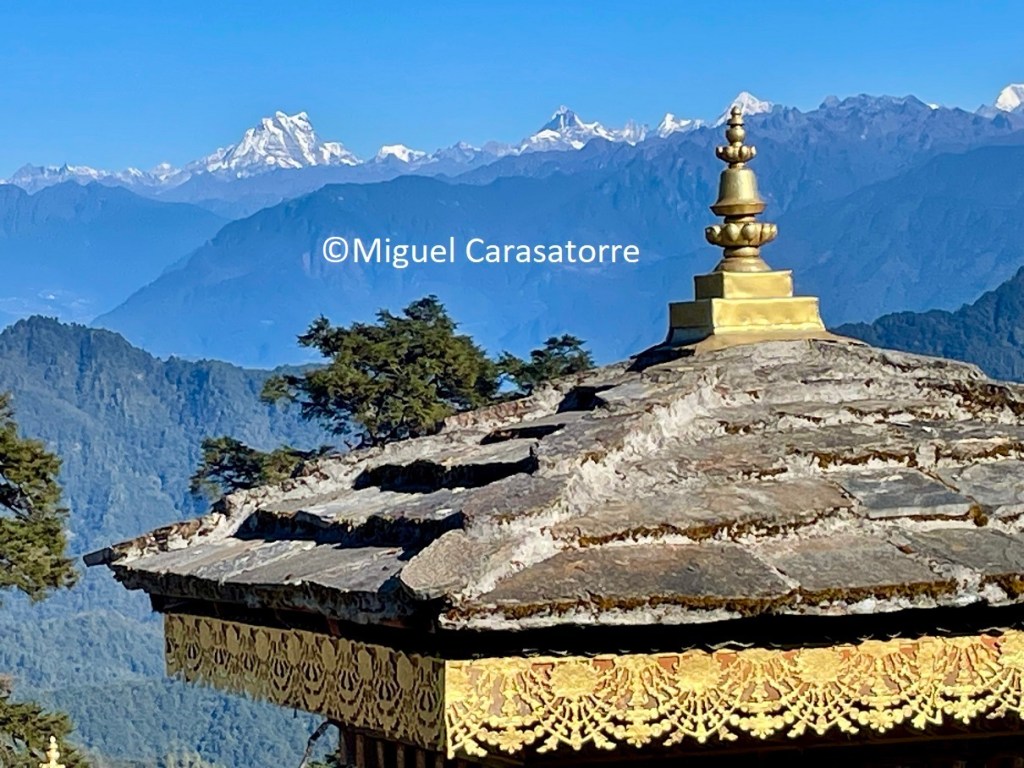
Todo el mundo regresa de Bután con un brillo especial en la mirada, y yo no voy a ser la excepción. Lo que esperaba encontrar en el país del Dragón del Trueno ha quedado ampliamente superado por una realidad que desborda cualquier idea previa. Es difícil hallar un solo detalle que invite a la queja o al desencanto, ni siquiera la creciente llegada de visitantes: algo comprensible, por otra parte. Basta con poner un pie en tierra, tras el aterrizaje en el pequeño aeropuerto de Paro, para quedar cautivado por un escenario que se despliega sin reservas: montañas que parecen cinceladas a mano, fortalezas-monasterio que coronan los valles, banderines de oración que colorean el viento y un patrimonio espiritual que impregna cada gesto de la vida cotidiana.

Everyone seems to return from Bhutan with a particular sparkle in their eyes, and I am certainly no exception. Whatever expectations I had about the Land of the Thunder Dragon were quickly surpassed by a reality far richer and more captivating. It is difficult to find a single detail that invites complaint or disappointment; not even the growing number of visitors, understandable, given the country’s irresistible appeal. All it takes is stepping off the plane at the small Paro airport to be immediately enthralled by the scene unfolding before you: mountains that look hand-carved, fortress-monasteries perched over valleys, prayer flags painting the wind with colour, and a spiritual heritage that permeates every gesture of daily life.


La arquitectura tradicional se preserva con una naturalidad sorprendente, como si el tiempo hubiera decidido avanzar sin renunciar a su pasado. Las tradiciones, lejos de convertirse en mero reclamo turístico, siguen latiendo en los mercados, en las casas de té y en los festivales religiosos donde la danza y la devoción se funden en un espectáculo hipnótico. La artesanía, elaborada con la paciencia que da la montaña, cuenta historias de linajes y símbolos que hablan de protección, fortuna y equilibrio. Y, por encima de todo, está el carácter de sus habitantes: amable, pausado, hospitalario, y por qué no decirlo, desconcertante para quienes venimos de sociedades aceleradas y a menudo crispadas.

Traditional architecture is preserved with remarkable ease, as if time itself had chosen to move forward without abandoning its past. Customs, far from being reduced to mere tourist attractions, remain vibrantly alive in the markets, in teahouses, and in the religious festivals where dance and devotion blend into a hypnotic spectacle. Local craftsmanship, shaped with the slow patience of the mountains, tells stories of lineages and symbols that evoke protection, fortune, and harmony. And above all else stands the character of its people: gentle, unhurried, hospitable, and, it must be said, somewhat disconcerting for those of us who arrive from fast-paced, often tense societies.


Quizá por eso sorprende menos que en Bután no existan semáforos y que el concepto de Producto Nacional Bruto haya sido sustituido por el Índice de Felicidad Nacional Bruta. Puede sonar metafórico, incluso idealista, pero lo cierto es que define una forma distinta de concebir el progreso. Allí, la calidad de vida se mide en bienestar comunitario, en conservación medioambiental y en armonía interior; valores que contrastan con las métricas rígidas y utilitarias de Occidente.

Maybe for that reason it feels less surprising that Bhutan has no traffic lights, and that the notion of Gross Domestic Product has been replaced by the Gross National Happiness Index. It may sound metaphorical, even idealistic, but it genuinely reflects a different way of understanding progress. Here, quality of life is measured through community well-being, environmental preservation, and inner balance, values that starkly contrast with the rigid, utilitarian metrics of the West.


En definitiva, Bután es uno de esos lugares que se graban en la memoria con la intensidad de un descubrimiento íntimo. Un destino al que, inevitablemente, uno promete volver.

In the end, Bhutan is one of those places that imprint themselves on the memory with the force of an intimate discovery. A destination to which one inevitably promises to return.


Bangladés: superpoblación y amabilidad / Bangladesh: overpopulation and friendliness

:


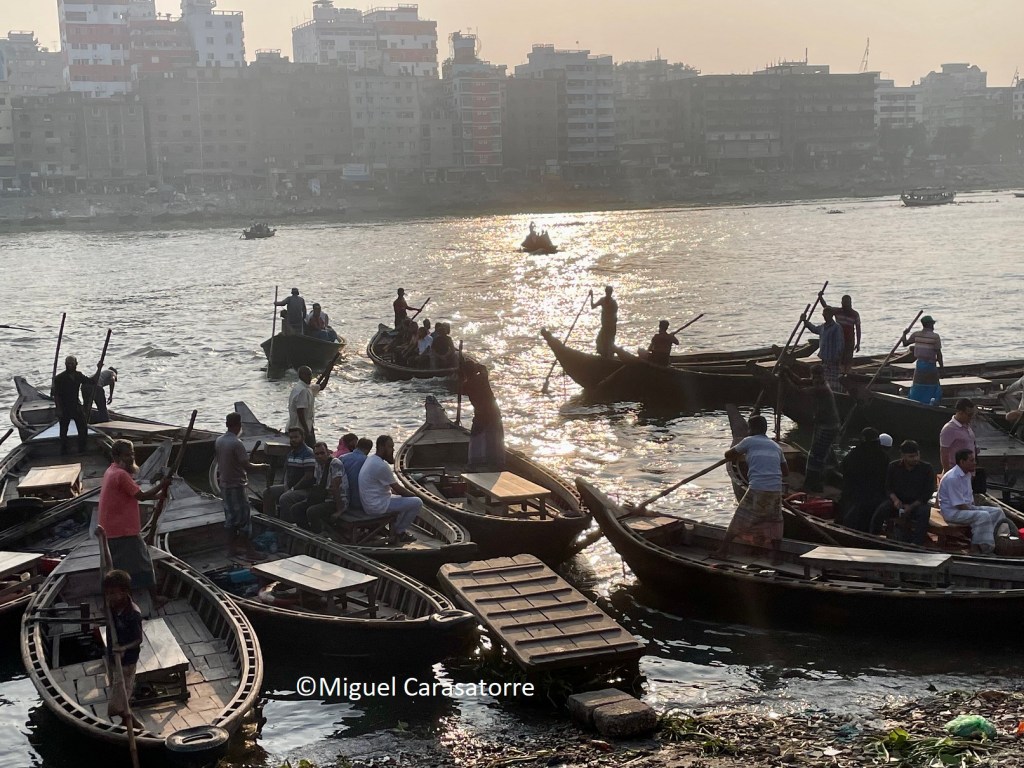
Bangladés, asentado en el mayor delta fluvial del planeta, es un país donde la densidad humana impresiona tanto como la calidez de sus habitantes. Con millones de personas concentradas en un territorio reducido, sus ciudades pueden parecer abrumadoras a primera vista. Sin embargo, detrás del bullicio surge una amabilidad constante: miradas curiosas, gestos espontáneos y una hospitalidad que desarma.

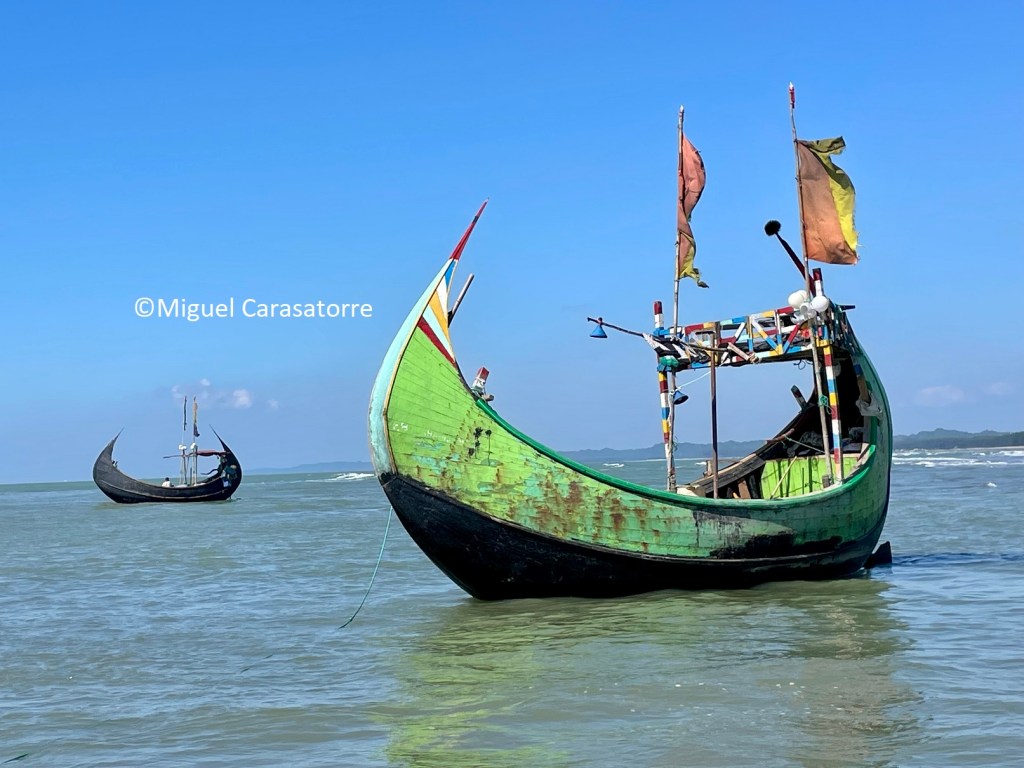
El país está marcado por tres ríos colosales: Padma Ganges en la India), Meghna y Jamuna que modelan un paisaje fértil y, a la vez, frágil frente a inundaciones y ciclones. También alberga un récord natural poco conocido: la playa continua más larga del mundo, la de Cox’s Bazar, una franja de arena que se extiende a lo largo de unos 120 kilómetros.

Bangladesh, set within the world’s largest river delta, is a country where population density overwhelms as much as the warmth of its people reassures. With millions living in such a compact territory, its cities can feel intense at first glance. Yet behind the constant bustle lies an unfailing kindness: curious looks, spontaneous gestures, and a hospitality that disarms even seasoned travelers.

The nation is shaped by three mighty rivers the Padma, Meghna, and Jamuna, which create a landscape both fertile and vulnerable to floods and cyclones. Bangladesh also holds a lesser-known natural record: the world’s longest uninterrupted beach, the 120-kilometre stretch of sand at Cox’s Bazar.


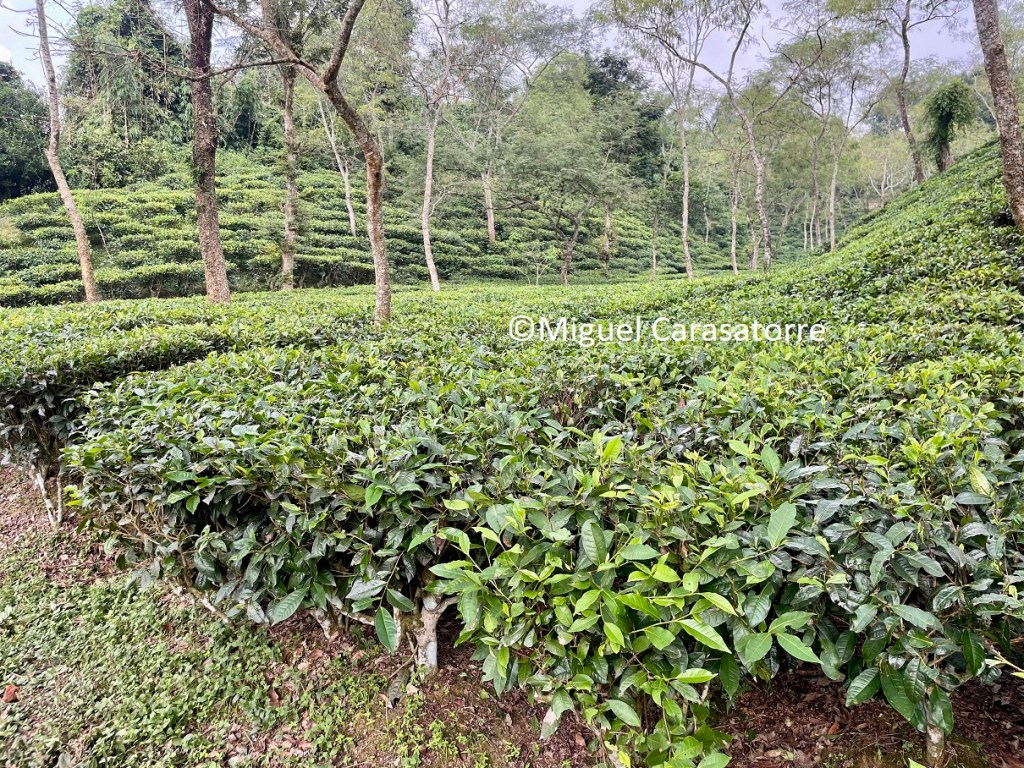
Mi ruta incluyó Dhaka, Sreemangal, Khulna, Bagerhat, Chittagong y Cox’s Bazar. En la capital, el caos urbano convive con una energía creativa que se respira en mercados y calles sin descanso. Sreemangal ofrece un respiro verde entre plantaciones de té; Khulna y Bagerhat conectan con la historia islámica y Chittagong revela el pulso portuario del país. Cox’s Bazar invita a detenerse ante un litoral que parece infinito.

En todos estos lugares encontré la misma constante: una población que, pese a las dificultades diarias, conserva una sorprendente capacidad de ternura y ayuda. Viajar por Bangladés es descubrir que, incluso en medio del exceso, la humanidad puede ser lo que mejor define a un país.

My route took me through Dhaka, Sreemangal, Khulna, Bagerhat, Chittagong, and Cox’s Bazar. In the capital, urban chaos mixes with a palpable creative energy in markets and streets that never seem to rest. Sreemangal offers a green pause among tea plantations; Khulna and Bagerhat connect travelers with the Islamic heritage and Chittagong reveals the country’s port-driven pulse. Cox’s Bazar invites one to slow down before a shoreline that feels endless.

Across all these places, one constant remained: a population that, despite daily challenges, maintains a remarkable capacity for tenderness and help. Traveling through Bangladesh is a reminder that even amid excess, humanity can be a country’s most defining feature.


Turkmenistán: mármol, arena y fuego / Turkmenistan: marble, sand and fire

Turkmenistán es un país de contrastes marcados, donde conviven herencias persas, un islam moderado y un legado soviético aún visible. La riqueza en gas y petróleo ha impulsado una modernización acelerada que busca proyectar una imagen de prosperidad y control.

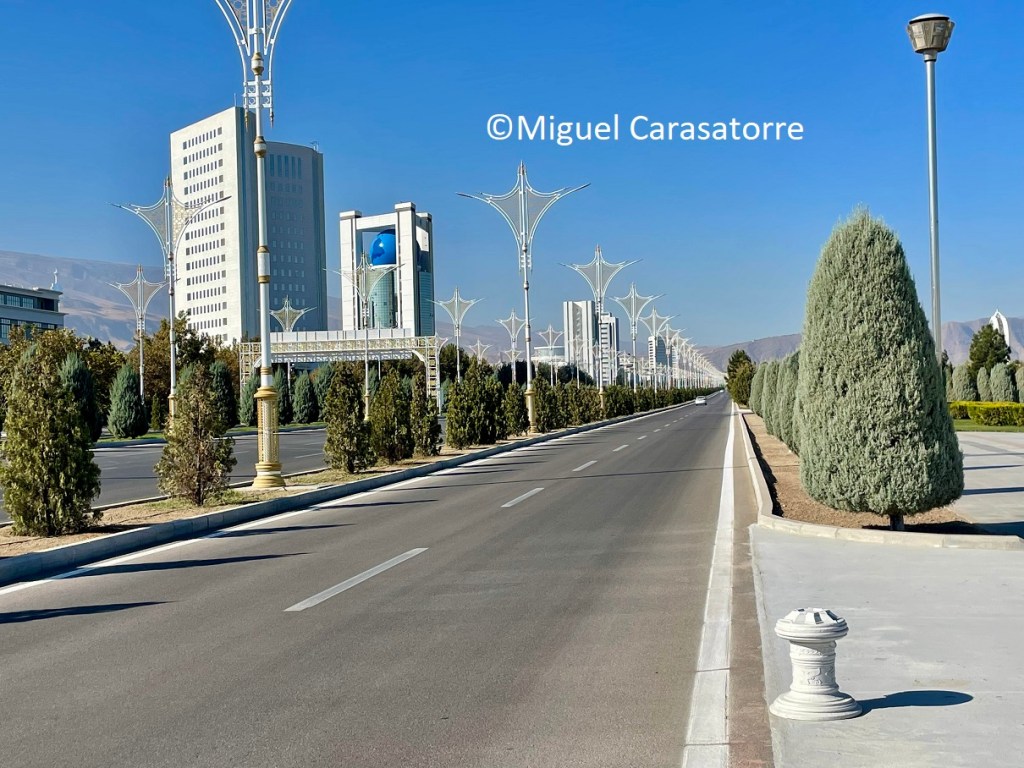
La capital, Ashgabat, es el principal ejemplo de esta apuesta: una ciudad de mármol blanco, repleta de monumentos y avenidas amplísimas, que impresiona tanto como desconcierta por su escasa actividad en las calles.

Turkmenistan is a country defined by striking contrasts, where Persian heritage, a moderate form of Islam and the lingering influence of the Soviet era coexist. Its vast reserves of gas and oil have driven rapid modernization, shaping an image of controlled prosperity.

The capital, Ashgabat, is the clearest example of this ambition: a city built in white marble, filled with oversized monuments and broad avenues that impress as much as they puzzle, largely due to the limited activity visible in its streets.

En el corazón del desierto del Karakum se encuentra el Cráter de Darvaza, un pozo en llamas abierto accidentalmente en los años setenta y convertido hoy en uno de los lugares más icónicos del país. Su fuego constante recuerda tanto la fuerza del subsuelo turkmeno como los efectos imprevistos de la explotación energética.

In the heart of the Karakum Desert lies the Cráter de Darvaza, a burning gas crater created accidentally in the 1970s and now one of the country’s most iconic sites. Its perpetual flames highlight both the power of Turkmenistan’s underground wealth and the unforeseen consequences of energy exploitation.

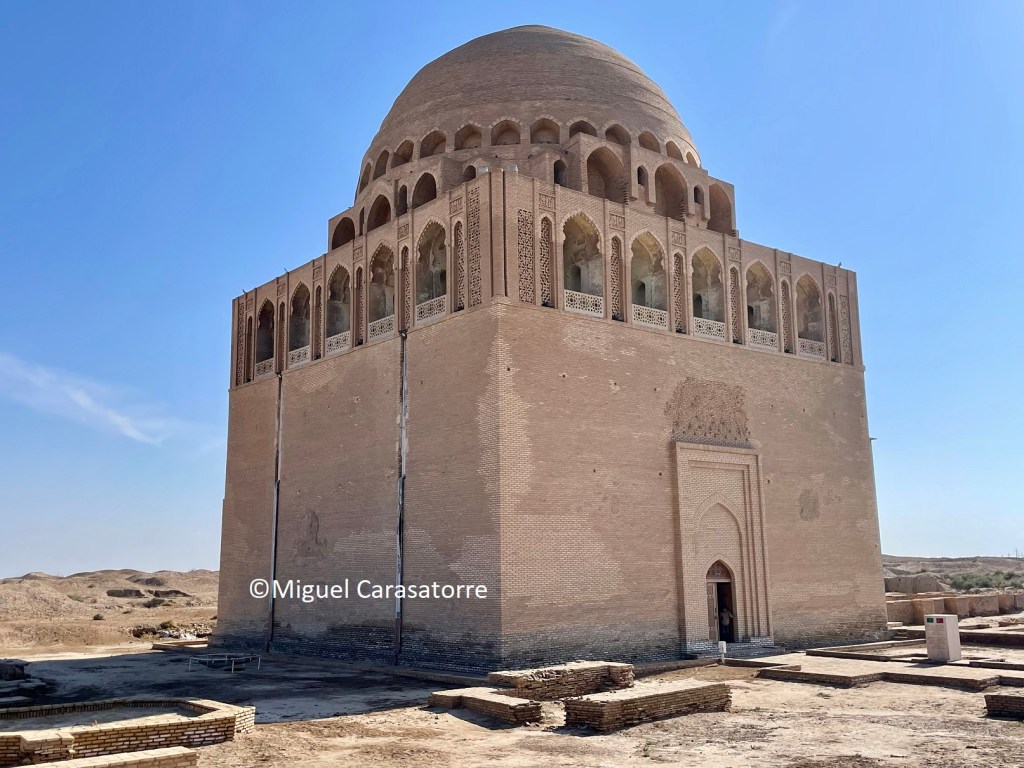
Más al este, las ruinas de Merv ofrecen un contrapunto histórico. Fue uno de los grandes centros de la Ruta de la Seda y llegó a ser una de las ciudades más pobladas del mundo medieval. Sus restos evidencian el peso que esta región tuvo en el desarrollo de Eurasia.

Further east, the ruins of Merv provide historical depth. Once a major hub on the Silk Road and among the largest cities of the medieval world, Merv’s remains testify to the region’s long-standing influence across Eurasia.

Entre modernidad, desierto infinito y un pasado monumental, Turkmenistán se presenta como un país único y difícil de clasificar.

Balancing monumental modernity, endless desert and a storied past, Turkmenistan stands as a uniquely and complex destination.

Comoras, las islas olvidadas / Comoros, forsaken islands

Las islas Comoras son uno de los países más olvidados del planeta. Un punto perdido en el mapa, al que rara vez llega alguien que no sea comorense, contrabandista o diplomático despistado. También es uno de los más pobres, más subdesarrollados y, digámoslo sin rodeos, más dejados de la mano de Dios. Un archipiélago polvoriento en medio del océano Índico, formado por tres islas principales y una cuarta, Mayotte, que los franceses se quedaron como quien no quiere la cosa. Los comorenses la siguen reclamando con dignidad, pero también con una resignación tan africana como inevitable. Hasta ahora, sin mucho éxito, claro.

The Comoros are one of the most forgotten countries on the planet. A spot lost on the map, rarely visited by anyone who isn’t Comorian, a smuggler, or a confused diplomat. It is also one of the poorest, most chaotic, and most forsaken places you could stumble upon. A dusty archipelago adrift in the Indian Ocean, made up of three main islands and a fourth, Mayotte, which the French held on to as if by accident. The Comorians still claim it with dignity, though also with the kind of resignation that feels as African as it is unavoidable. So far unsuccessfully, no surprise.

Gran Mezquita de Moroni

Con semejante carta de presentación, pocos turistas sensatos pensarían en hacer las maletas para ir allí. Y sin embargo, en estos lugares el viajero que no se asusta con facilidad puede encontrar algo que empieza a escasear en el mundo actual: autenticidad. La verdadera, sin hoteles boutique ni cruceros. Una autenticidad que te mira con los ojos desconfiados del pescador que nunca ha visto una cámara réflex, y con la sonrisa desdentada del niño que juega entre chatarra y gallinas.

With such a calling card, few sensible travelers would dream of packing their bags to go there. And yet, the kind of traveler who doesn’t scare easily might just find something here that’s not easy to find nowadays: authenticity. No boutique hotels, no cruise ships. Just raw, unvarnished truth, the kind that looks at you through the wary eyes of a fisherman who’s never seen a DSLR camera, and grins at you with the toothless smile of a child playing between scrap metal and chickens.

Lago Salé, Gran Comora
Bouni Beach, Gran Comora

El islam, suave y africano, lo envuelve todo. Hay un perfume raro en el aire, mezcla de especias, sal marina y miseria antigua. La cultura es un híbrido entre lo árabe y lo bantú, y la naturaleza, cuando la basura no la tapa del todo, resulta casi insultantemente bella: playas vírgenes, selvas intactas y volcanes dormidos bajo el sol.

Con algo de limpieza y un sistema de transporte que no dependiera tanto del viento ni de la suerte, Comoras estaría más cerca del paraíso, pero eso, por ahora, es pedir mucho. Salvo la capital, Moroni, caótica, sucia y con un cierto encanto inexplicable, recomiendo la costa norte y el volcán Karthala: son lugares que aún no se han rendido del todo al abandono.

En resumen, no es un destino para cualquiera. Pero si eres de los que viajan con los ojos abiertos y la mochila ligera, Comoras te recompensa con algo raro: la sensación de estar viendo un mundo que se desvanece.

Islam, soft, edged and African, wraps itself around everything. There’s a strange scent in the air, a mix of spices, sea salt, and ancient poverty. The culture is a blend of Arab and Bantu, and the landscape, when not hidden by litter, is almost beautiful: untouched beaches, pristine jungles, and dormant volcanoes basking in the sun.

With a bit of cleaning up and a transport system that didn’t depend on the wind or dumb luck, Comoros might inch closer to paradise. But for now, that’s asking too much. Aside from the capital, Moroni, chaotic, dirty, and with a certain inexplicable charm, I recommend the northern coast and Mount Karthala: places that haven’t yet completely surrendered to neglect.

In short, it’s not a destination for everyone. But if you’re the kind who travels with open eyes and a light pack, Comoros might just reward you with something rare: the feeling that you’re catching a glimpse of a world slipping away.

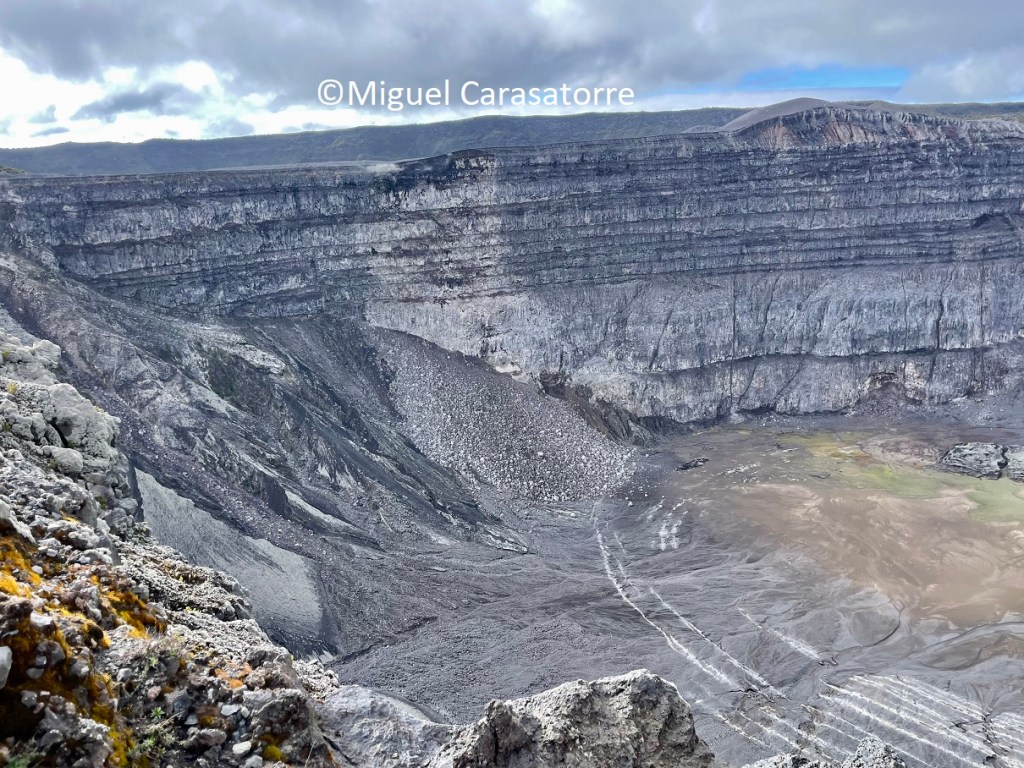
Volcán Karthala

Mauricio, perdida en el Indico / Mauritius, lost in the Indian Ocean

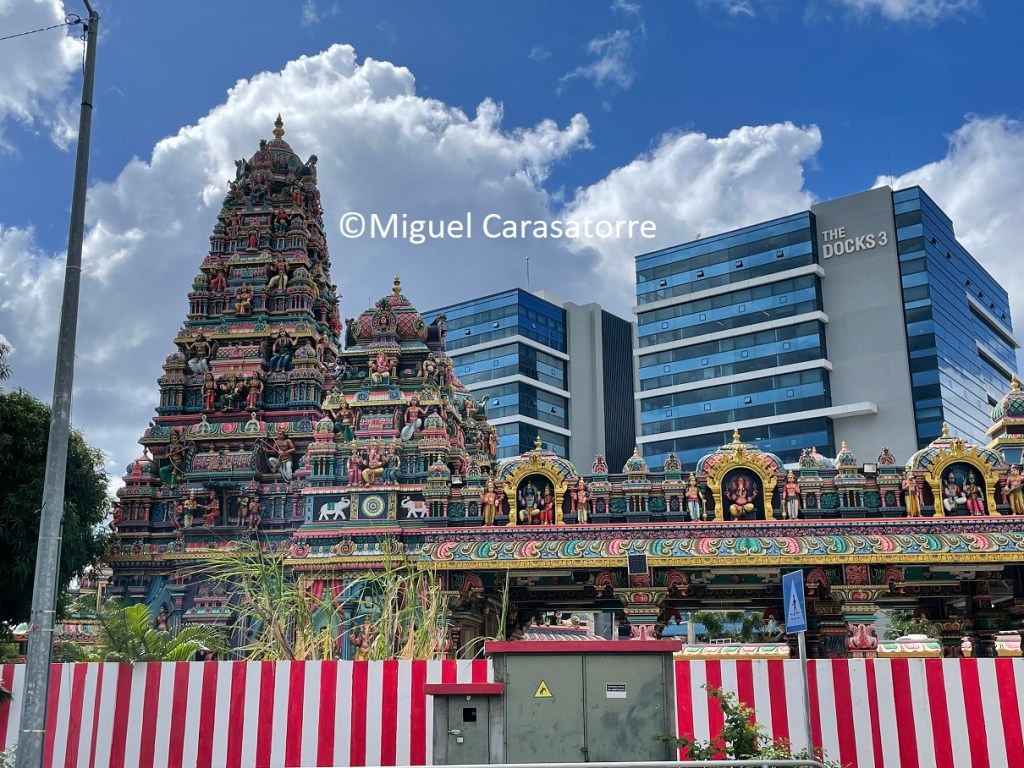
Templo hindú y edificios de oficinas en Port Louis

Perdida en el Océano Índico… Viendo el mapa, esa bien podría ser la idea que le viene a uno en la cabeza: lejos de tierra continental, a unas cuantas horas de avión de cualquier ciudad de importancia. Esa idea cambia nada más salir del aeropuerto principal, situado en el sur de la isla, adentrándose en su poblaciones, barrios y principales atracciones. Sociedades offshore, turismo masivo e inmigración del subcontinente indio, han cambiado totalmente el perfil de lo que hace muchos años debió ser una isla virgen, algo exótico por explorar y por disfrutar.

Pero estaba en mi ruta y no podía ignorarla… Mauricio es una de esas islas que uno imagina con palmeras dobladas por el viento y rubias nórdicas tostándose al sol. Bonita es, no cabe duda, una naturaleza espectacular, un mar de postal y algunos templos hindúes que la llenan de color, aunque, en mi humilde opinión, las expectativas generadas no se lleguen a alcanzar. Algo insípido se percibe. Algo falta o quizá sobra… Fue antigua colonia francesa, inglesa, y quién sabe por cuántas manos más pasó. Hoy día los cañones han sido sustituidos por cócteles con sombrillita, y las conquistas imperiales por hordas de turistas en chanclas que se creen exploradores porque nadan con delfines en excursiones organizadas. Mauricio es lo que pasa cuando el edén se alquila por semanas y se paga con tarjeta.

Lost in the Indian Ocean… Looking at the map, that might well be the idea that comes to mind: far from the mainland, a few hours by plane from any major city. That idea changes as soon as you leave the main airport, located in the south of the island, and enter its towns, neighborhoods, and main attractions. Offshore companies, mass tourism, and immigration from the Indian subcontinent have completely changed the profile of what many years ago must have been a virgin island, an exotic place ready to be explored and enjoyed.

It was on my route, and I couldn’t ignore it… Mauritius is one of those islands you imagine with wind-bent palm trees and blonde Nordic women basking in the sun. It’s beautiful, no doubt about, with spectacular nature, a picture-postcard sea, and a few colorful Hindu temples, although the expectations generated aren’t met, in my humble opinion. There’s a hint of insipidity about it. Something is missing or over… It was once a French and English colony, and who knows how many other hands it passed through. Today, the canyons have been replaced by cocktails under umbrellas, and the imperial conquests by hordes of flip-flop-clad tourists who think they’re explorers because they swim with dolphins on organized day-trips. Mauritius is what happens when Eden is rented by the week and paid by card.

Cascada Chamarel

Seychelles, el paraíso existe / Paradise exists

Uno se va de Seychelles, pero no del todo. Como si las islas no soltaran totalmente a quien las ha mirado con verdadera atención. Mahé y La Digue, dos islas diferentes y complementarias.

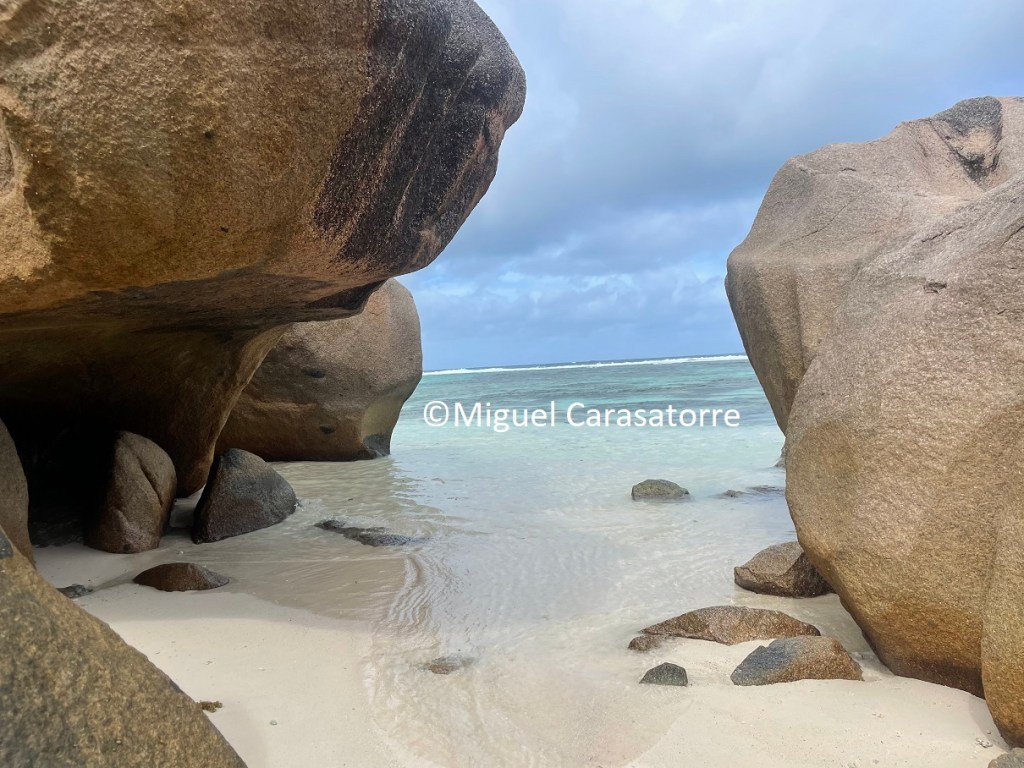
En Mahé todo lo cubre una frondosidad exuberante. Las playas, en cambio, son lo opuesto: un vacío apacible. En La Digue, uno avanza en bicicleta como se avanza por un recuerdo, lentamente. Las rocas de granito son su icono, desgastadas por los siglos y salpicadas por la espuma, como un decorado casi irreal.

One leaves Seychelles, but not completely. As if the islands never fully let go those who have truly looked at them. Mahé and La Digue, two different and complementary islands.

On Mahé everything is covered in lush vegetation. The beaches, on the other hand, are the opposite: a peaceful emptiness. On La Digue, one advances on a bicycle as one advances through a memory, slowly. The granite rocks are its icon, worn by centuries and dotted with foam, like an almost unreal backdrop.

Fishers in Mahé Island

Granite rocks on Source d’Argent Beach, La Digue island

Burundi, corazón africano / Burundi, African heart

Es fácil enamorarse en Burundi, dejarse el corazón en este pequeño y superpoblado país del centro-este de África. Y lo es por múltiples razones: en primer lugar por lo desconocido que es. Cuando llegas y empiezas a adentrarte por sus caminos y cruzarte con sus gentes, descubres una dulzura en su paisaje, en sus colinas, en su frondosidad, en su ritmo de vida y en las sonrisas de sus habitantes, que te sorprenden y te hacen reflexionar sobre los motivos de ese desconocimiento generalizado.

It’s easy to fall in love in Burundi, to leave your heart in this small, overpopulated country in east-central Africa. And it’s for many reasons: first, because of how unknown it is. When you arrive there and begin to explore its roads and meet its people, you discover a sweetness in its landscape, its hills, its lush vegetation, its pace of life, and the smiles of its inhabitants, which surprise you and make you reflect on the reasons for the widespread ignorance.

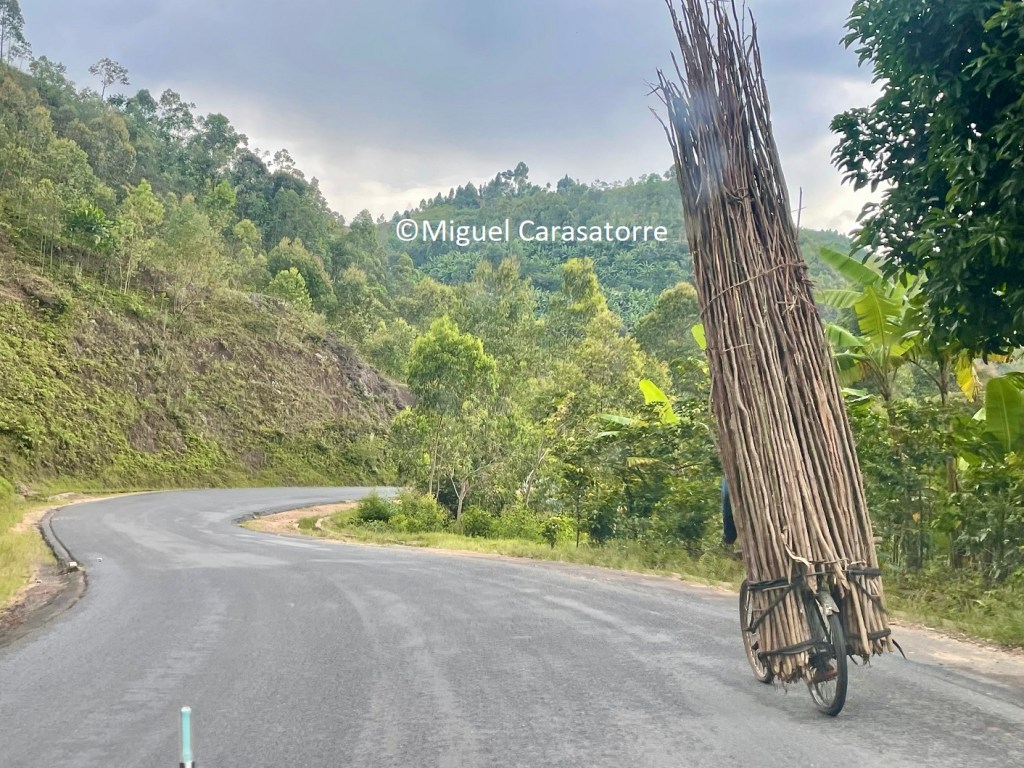
Roads of Burundi

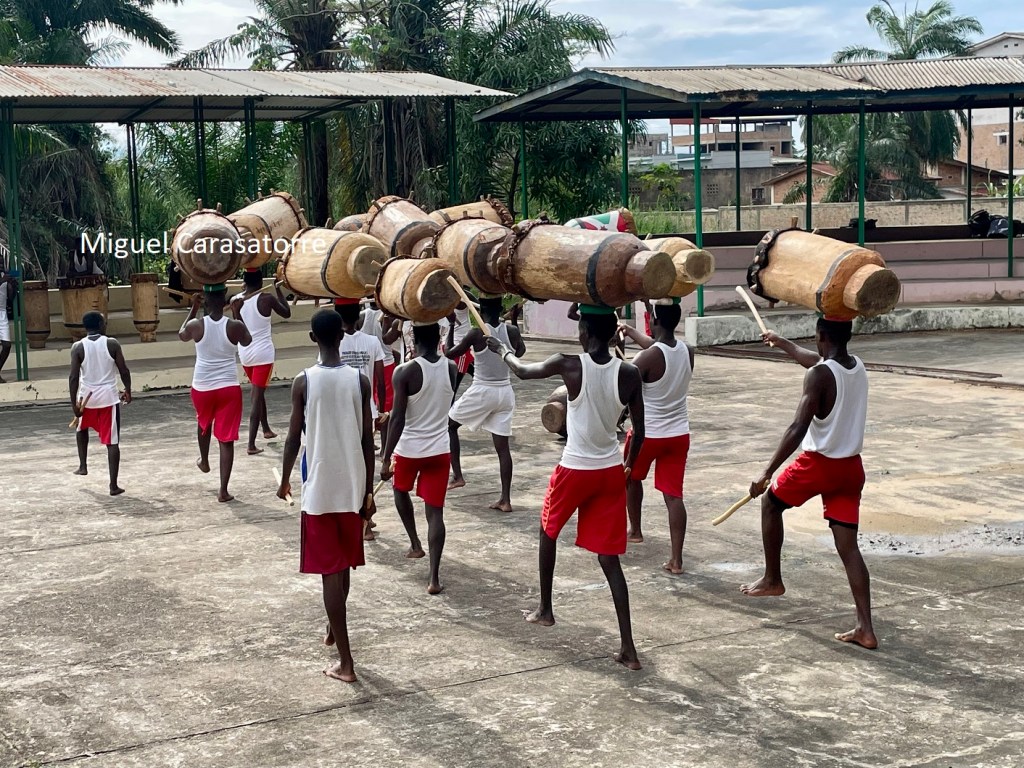
Muchos son los atributos de Burundi: sus montañas de postal, el inmenso lago Tanganica, sus famosos tamborileros, su carreteras, que son un improvisado estudio de fotografía, lo verde de su entorno natural… Pero por encima de todo ello me quedo con la amabilidad y simpatía de sus gentes, auténticos sufridores de un pasado triste y sangriento, pero cargados de alegría y esperanzados por el futuro. Burundi es la guinda a un inolvidable viaje por África.

Burundi has many attributes: its picture-postcard mountains, the immense Lake Tanganyika, its famous drummers, its roads, which are like makeshift photography studios, its verdant natural surroundings. But above all, I choose the kindness and warmth of its people, true sufferers of a sad and bloody past, yet filled with joy and hope for the future. Burundi is the icing on the cake for an unforgettable trip through Africa.

Burundi drummers
Lake Tanganyika