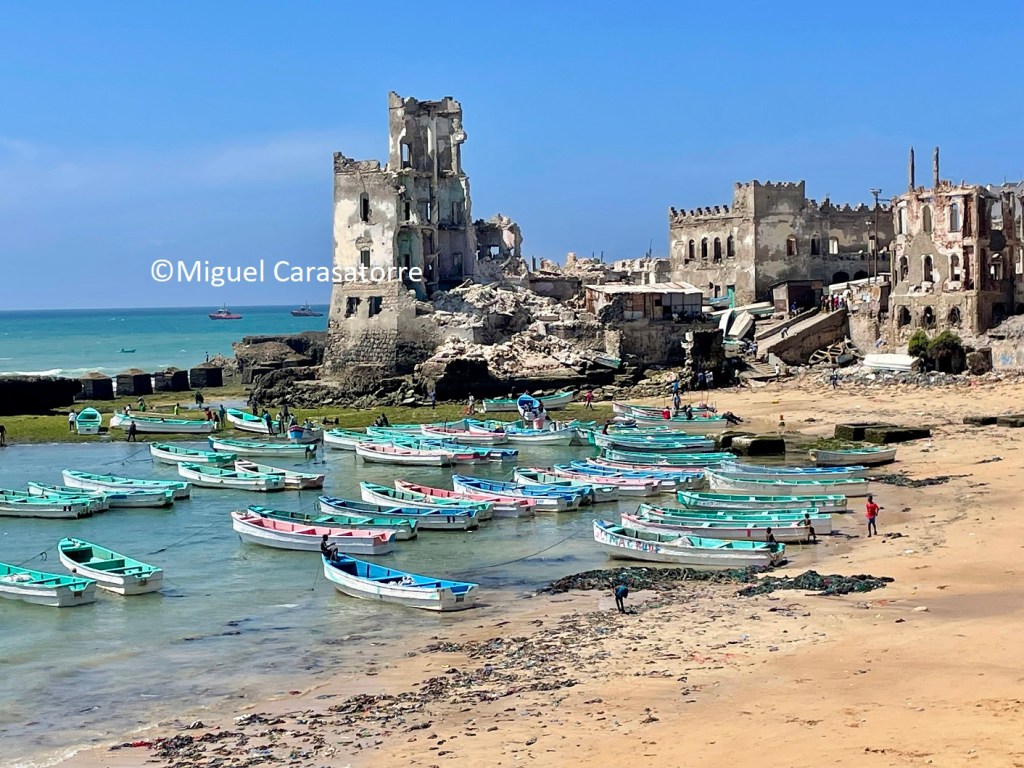
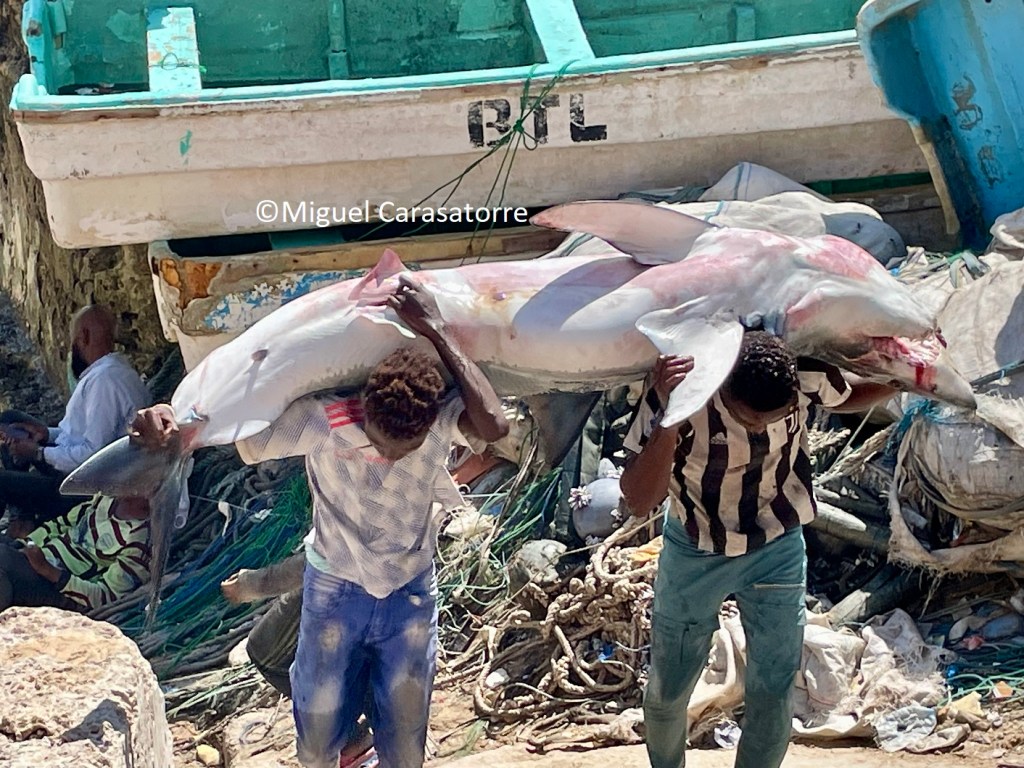
Visitar Somalia ha sido una de esas experiencias que no se olvidan, sobre todo por haberlo hecho en mitad del Ramadán, algo que le da aún más pureza, si cabe. Mucha gente se soprende ante un viaje a un lugar como Somalia, un país con muy mala fama, con una reputación de violencia, de peligro… No niego que el riesgo de un atentado está ahí, pero no hay más que mirar atrás para ver que la estadística no es peor que la de otros lugares del mundo donde la lacra del terrorismo ha golpeado. Sin lugar a dudas la capital, Mogadiscio, es el lugar en teoría maldito, una ciudad grande, polvorienta y en ruinas, la más peligrosa del mundo decía un artículo hace tiempo… Como casi siempre, la fama no se corresponde con la realidad, pues aunque es indudable que la guerra civil ha dejado escenarios de película bélica, edificios que parecen coladores y el mayor número de controles policial-militares que hemos visto en nuestra vida, también es cierto que el gobierno somalí lleva años tratando de mejorar la seguridad y fomentar el desarrollo, lo que está logrando con esfuerzo y dedicación. En ningún momento hemos sentido miedo, hemos encontrado a gente encantadora y rincones inesperadamente bellos como el faro, la playa de Lido y el incomparable mercado de pescado, donde abundan los atunes, doradas… y tiburones frescos.
Visiting Somalia has been one of those unforgettable experiences, especially because it happened in the middle of Ramadan, which makes it even purer, if possible. Many people are surprised about traveling to a place like Somalia, a country with a very bad reputation, synonym of violence, of danger… I don’t deny that the risk of an attack is there, but you only have to look back to see that the statistics are no worse than those of other places in the world where the scourge of terrorism has struck. Without a doubt, the capital, Mogadishu, is the theoretically cursed place, a large, dusty, and ruined city, the most dangerous in the world, according to an paper article some time ago… As almost always, fame doesn’t correspond to reality, because although it’s undeniable that the civil war has left behind war movie sets, buildings that look like colanders, and the largest number of police-military checkpoints we’ve ever seen, it’s also true that the Somali government has been trying to improve security and promote development for years, which it is achieving with effort and dedication. At no point did we feel afraid, we found lovely people and unexpectedly beautiful places like the lighthouse, Lido beach and the incomparable fish market, where fresh tuna, sea bream… and shark abound.
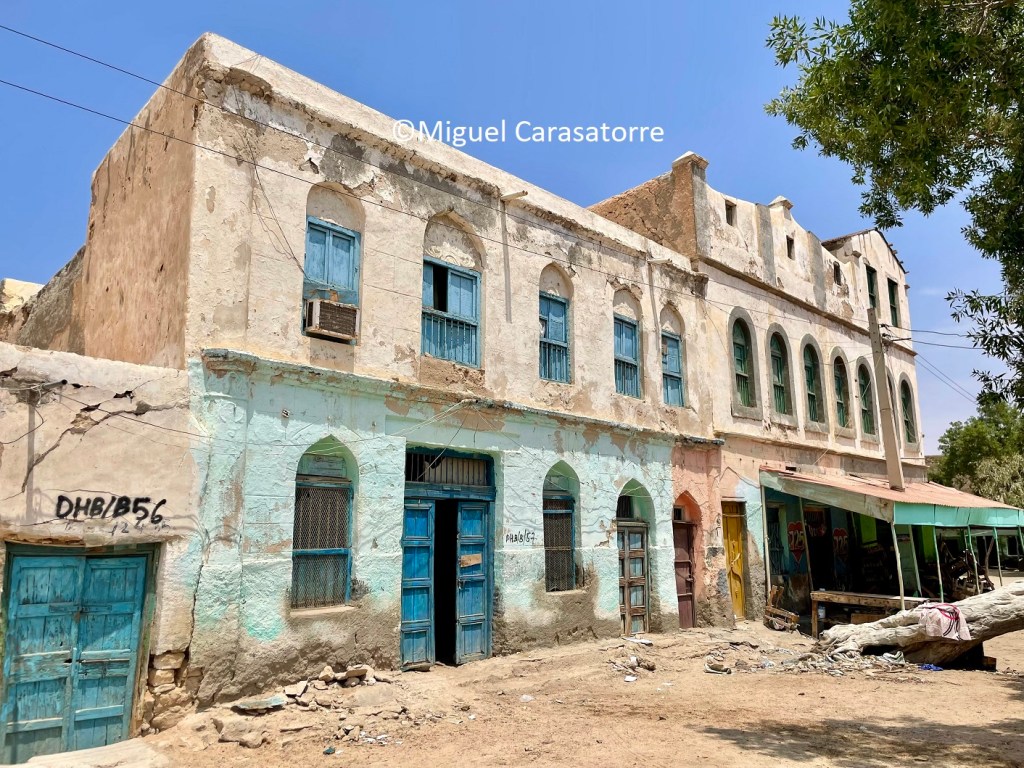
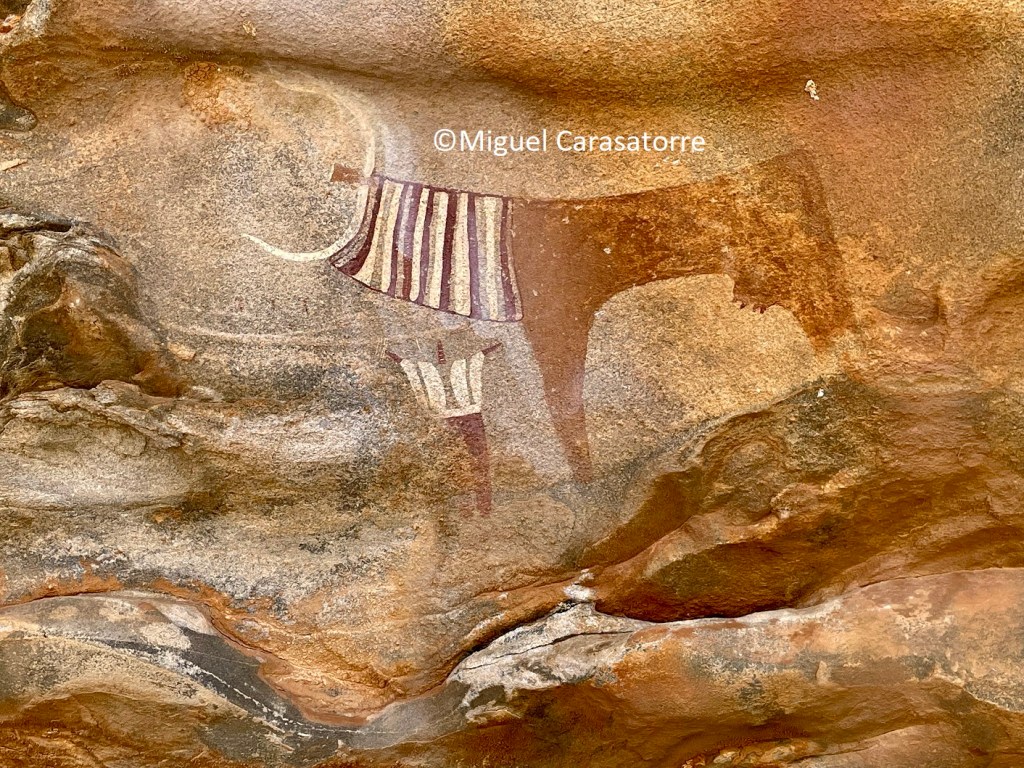
Hay otras partes de Somalia dignas de ser visitadas, por supuesto, aunque no es un país fácil, con infraestructuras anticuadas y dañadas por la guerra. No todos los lugares son seguros además. Puntlandia, Jubalandia… Es un país muy extenso. Otra de las zonas a las que se puede acceder con facilidad es Somalilandia, una región autodeclarada independiente, sin el reconocimiento de ningún país del mundo. La capital, Hargeisa, es vibrante, las pinturas rupestres de Laas Geel son sublimes y la bonita ciudad portuaria de Berbera es entrañable, una mezcla de ruina y encanto.
There are other parts of Somalia worth visiting, of course, although it’s not an easy country, with rundowned and war-damaged infrastructure. Not everywhere is safe either. Puntland, Jubaland… It’s a vast country. Another easily accessible area is Somaliland, a self-declared independent region, unrecognized by any country in the world. The capital, Hargeisa, is vibrant, the rock paintings at Laas Geel are sublime, and the pretty port city of Berbera is endearing, a mix of ruin and charm.
 Singular Destinations