Ruta por un heterogéneo y singular territorio, un maravilloso viaje desde la Guyana Francesa hasta la islas de Antigua y Barbuda, recorriendo diez países y una región francesa de ultramar. Curioso, variado e inolvidable / Route through a heterogeneous and singular area, a wonderful trip from French Guyana to the islands of Antigua and Barbuda, visiting 10 sovereign countries and a French overseas region. Simply unforgettable, pure fun.

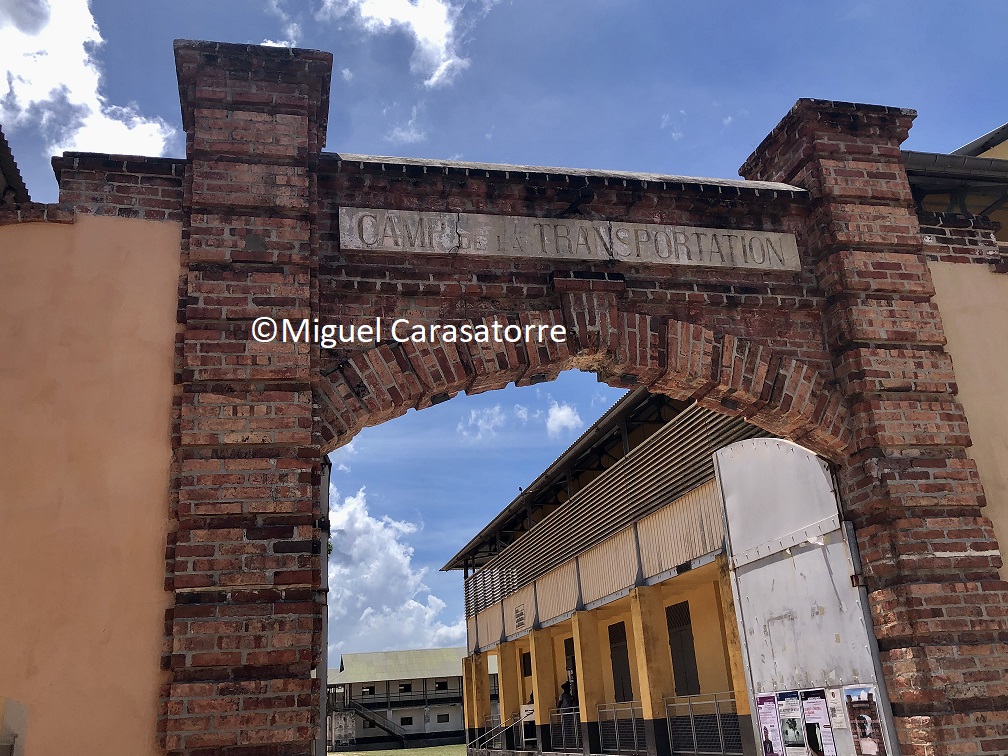
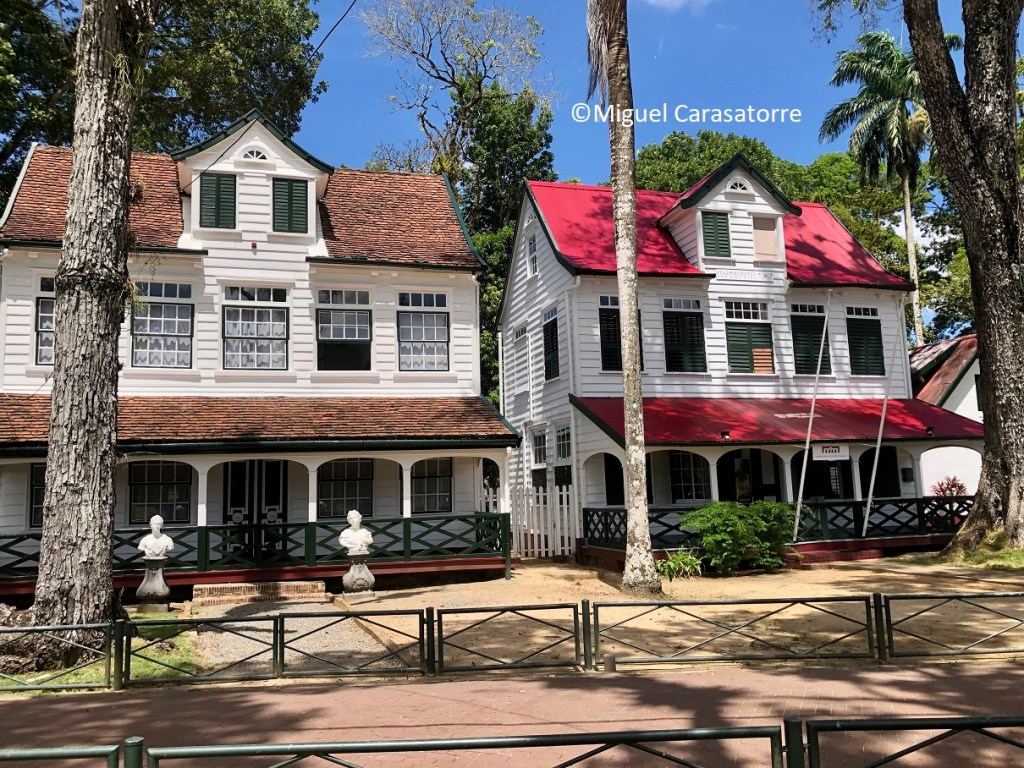
Primera parada, Guyanas… Una parte poco visitada del mundo, tres países o territorios que viven de espaldas al mar, con un exuberante interior y una mezcla racial sorprendente, bajo un clima trópical extremo. Destacables la arquitectura colonial de Paramaribo, la historia de la Guyana Francesa como zona penitenciaria y, por supuesto, las cataratas Kaieteur en Guyana, las más altas del mundo en caída libre (226m), espectaculares incluso en temporada seca.
First stop, the Guianas… A rather unknown part of the world, three countries or territories that “live back to the sea”, with a lush interior and a surprising racial mix, under an extreme tropical climate. Noteworthy, the colonial architecture of Paramaribo, the history of French Guiana as a prison zone and, of course, the Kaieteur Falls in Guyana, the highest in the world in free fall (226m), spectacular even in the dry season.

Siguiente etapa: llegada al mar, las islas y el Caribe! Aunque relativamente, porque Trinidad y Tobago no es precisamente un paraíso tropical. Trinidad descubrió petróleo en su subsuelo y dejó su limitada actividad turística en manos de Tobago, que está lejos de poseer el encanto de sus islas vecinas, como Granada (escrito y pronunciado Grenada), una auténtica joyita que sí ofrece lo que se espera de estas latitudes: playas, bosques tropicales, volcanes, historia colonial, buceo de categoría, música y mucha alegría.
Next stop: ocean, islands and Caribbean! Finally, but gradually, cause Trinidad and Tobago is not exactly a tropical paradise. Trinidad discovered oil and left its limited tourist activity to Tobago, lacking the charm of the neighboring islands, such as Grenada, tiny gem that offers what you expect from this part of the world: beaches, tropical forests, volcanoes, colonial history, world class diving, music and joy.
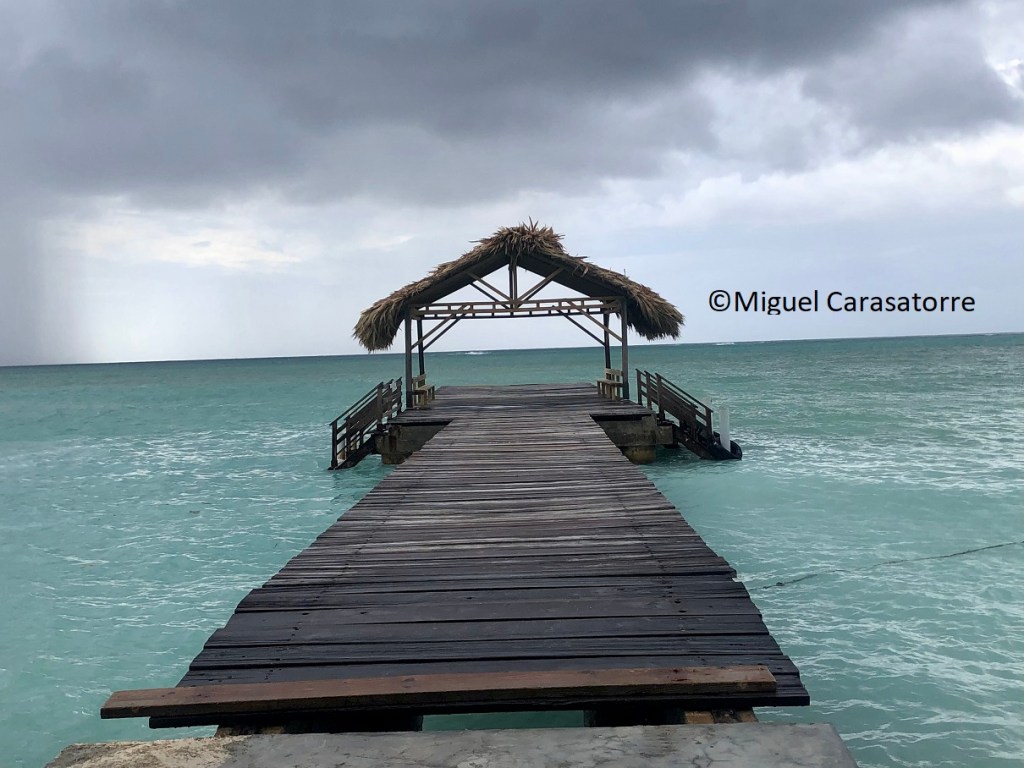

Y después, el Caribe en estado puro. San Vicente & las Granadinas y Barbados. Los días en esta parte del Caribe se dividen en dos: con o sin crucero, es decir, con o sin los miles de turistas que arrojan las enormes ciudades flotantes a las islas tropicales los días de visita. El primero es un archipiélago de islas paradisíacas y exclusivas (Bequia, la más accesible de las Granadinas, una maravilla), que se ha enfocado hacia el turismo de alto poder adquisitivo, pero que también ofrece hueco a bolsillos más modestos. Barbados, por contra, es la versión caribeña de la clásica “factoría de turistas ávidos de sol”, o sea, un destino muy de masas, nada barato y con oasis de lujo inaccesibles, aunque también con algunos lugares dignos de disfrutarse, playas de arenas blancas y aguas turquesas incluidas.
And next, Caribbean yeah! Saint Vincent & the Grenadines and Barbados. Two types of days in this part of the Caribbean: with or without a visiting cruise, that is, with or without the thousands of tourists getting out of the huge floating cities onto the tropical islands. SVG is an archipelago of paradisiacal and exclusive islands (Bequia, the most accessible of the Grenadines, a beauty) and has focused on high level visitors, offering room for budget travelers too. Barbados, on the other hand, is the Caribbean version of the classic factory of sun-hungry tourists, that is, a very mass destination, not cheap, also with inaccessible oases of luxury and places really worth enjoying, beaches of white sands and turquoise waters included.


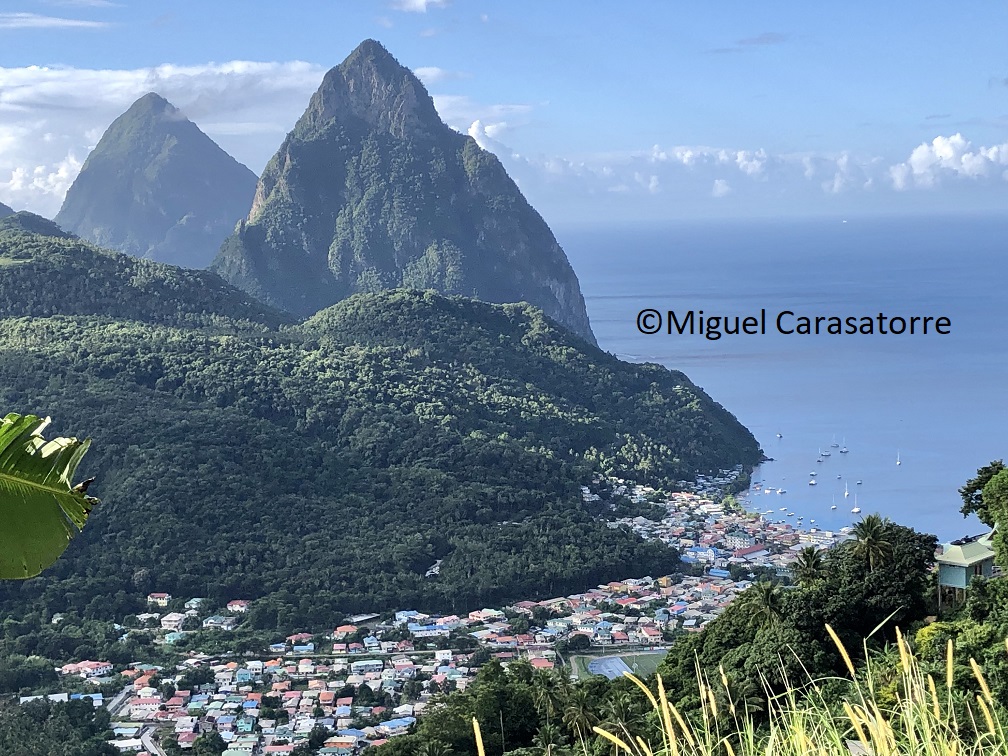
Y entonces arribamos a dos islas, ¡que quitan el hipo! Santa Lucía y Dominica. Tierras de piratas y corsarios; el mismísimo Pata de Palo, Jambe de Bois, tenía su cuartel general en el norte de Santa Lucía. Dos islas disputadas por franceses e ingleses, tras ser ignoradas por los españoles (Santa Lucía cambió su soberanía 14 veces en un siglo para acabar en manos británicas antes de independizarse). Curiosamente, los nombres de lugares se mantienen mayoritariamente en francés, pero el inglés se ha impuesto como lengua vehicular. Dos países de increíble belleza: la naturaleza de Dominica es de lo más exuberante que he visto y los paisajes de Santa Lucía son sobrecogedores. Difícil elegir entre ellos, decididamente me quedo con los dos.
And then WOW!!! Saint Lucia and Dominica. Land of pirates and corsairs; Jambe de Bois had his headquarters in northern St Lucia. Two islands disputed by the French and English, after being ignored by the Spaniards (St Lucia changed its sovereignty 14 times in a century to end up in British hands before independence). French names for places are mostly maintained, while English has become the vehicular language. Two countries of incredible beauty: the nature of Dominica is lush while the landscapes of St Lucia are breathtaking. Hard to choose between them, I take both.

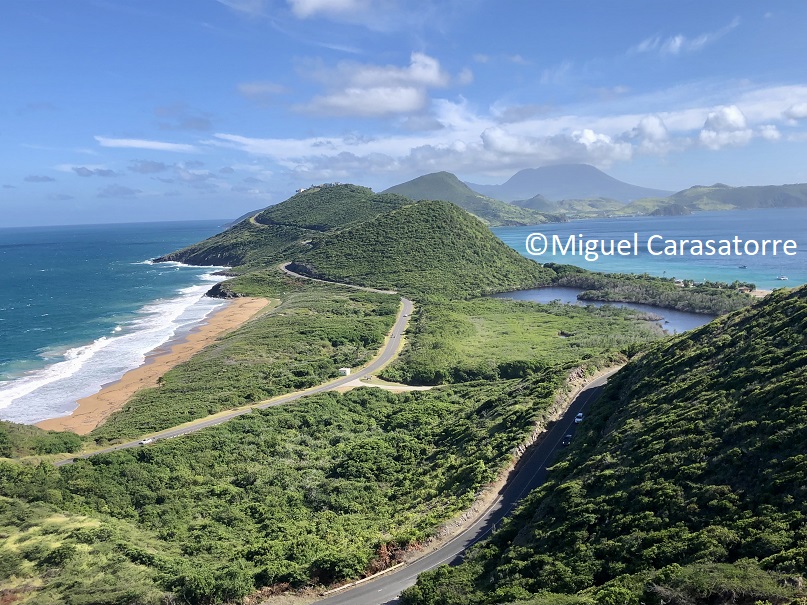
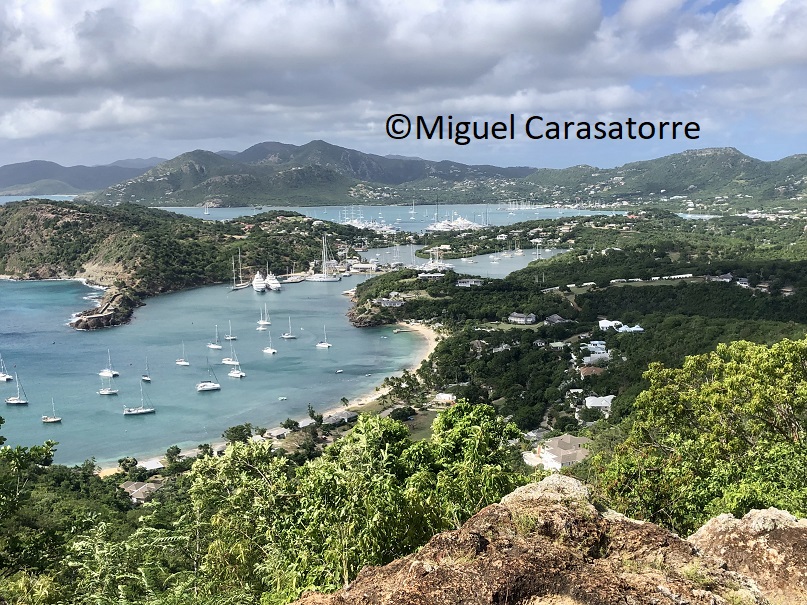
Final de trayecto. San Cristóbal y Nieves, Antigua y Barbuda. Dos países caribeños con marcada influencia británica, ciudades con sabor colonial, impresionantes bahías y un ritmo tropical muy característico. De las cuatro islas principales que los forman, me quedo con Barbuda, por sus maravillosas playas y… Porque sólo tiene 1.500 habitantes, un lugar ideal para olvidarse del mundanal ruido.
Final destination. Saint Kitts and Nevis, Antigua and Barbuda. Two Caribbean countries with marked British influence, appealing cities with colonial flavor, stunning bays and a unique tropical rhythm. Of the four main islands that form both countries I choose Barbuda, for its wonderful beaches and… Because its population is just 1,500. An ideal place to forget about the hustle and bustle.

 Singular Destinations