Desde Guinea Bissau hasta Liberia, un viaje por la zona más cruda de Africa Occidental, por algunos de esos rincones africanos olvidados de la providencia divina. Toda una aventura, incómoda a veces, arriesgada otras, pero un reto para todo aquel viajero con el debido contenido de amor por el mero arte de viajar.
From Guinea Bissau to Liberia, a journey through the hardest area of West Africa, one of those God-forsaken corners of the world. An uncomfortable adventure at times, risky at others, but a challenge for all those travelers with pure love for the mere art of traveling.
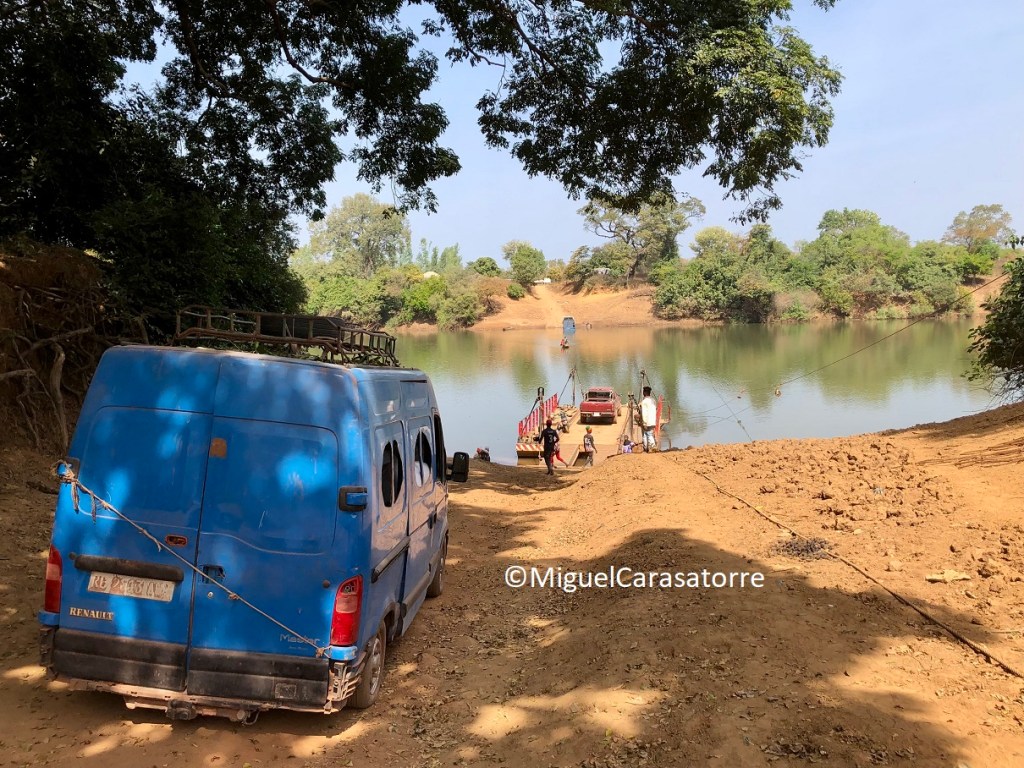
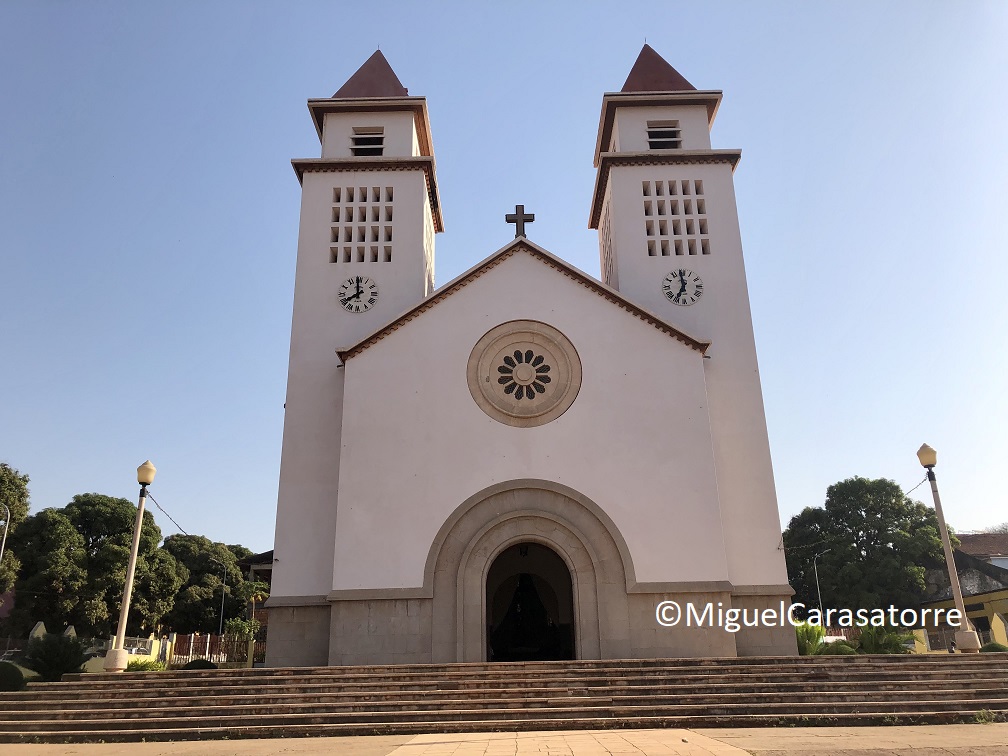
Primera etapa, Guinea Bissau. La antigua colonia portuguesa es, probablemente, el más tranquilo de los cuatro países de esta ruta. La capital es un oasis de paz en cuanto a tráfico se refiere, si la comparamos con las otras urbes de la zona. Café portugués, frango asado, bolos de crema, claras muestras de la presencia lusa. El barrio velho (barrio antiguo) intenta renacer de sus cenizas a partir de un nuevo proyecto de rehabilitación y destila encanto por sus esquinas. La Praza do Imperio, emplazamiento del palacio presidencial, es testigo mudo del ritmo cadencioso capitalino. La catedral católica de Bissau es simple, de trazo rectilíneo, blanca y sencilla, pero a la vez alegre; invita tanto al devoto como al que solo busca un momento de relax. Desde el puerto marítimo se viaja, bien de manera oficial en barco, bien en canoa privada, hacia lo más representativo del país, un paraíso poco conocido formado por 70 islas: el archipiélago de Bijagos.
First stage, Guinea Bissau. The former Portuguese colony is probably the quietest of the four countries on this route. The capital is an oasis of peace as far as traffic is concerned, compared to the other big cities in the region. Portuguese coffee, roasted frango, cream cakes, all of them samples of the former Portuguese presence. The barrio velho (old quarter) tries to rise from its ashes through a new rehabilitation project and exudes charm from its corners. The Praza do Imperio, site of the presidential palace, is a mute witness to the slow rhythm of the capital. The Catholic cathedral of Bissau is simple, with a rectilinear outline, white and basic, but at the same time cheerful; invites both the devotee and the one who only seeks a moment of relaxation. The seaport is the boarding point, either officialy on regular boat or privately by canoe, to the most spectacular part of the country, a little-known 70-island-paradise called the Bijagos archipelago.
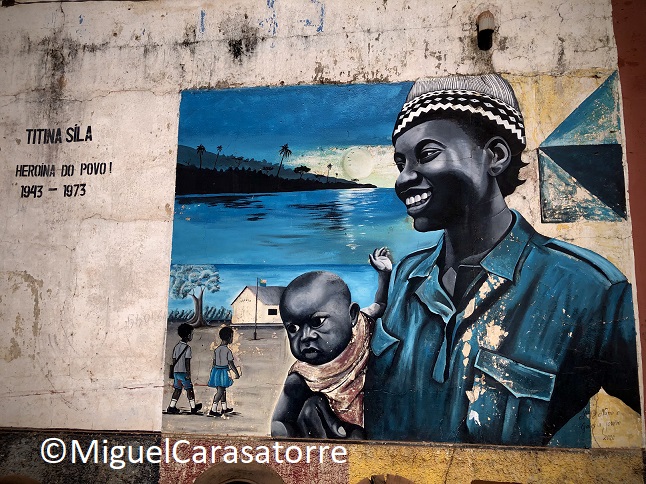
Segunda parada, Guinea Conakry. Siguiendo la ruta por el norte del país, llamada Fouta Djallon, una zona de lomas verdes que contrastan con el arcilloso rojo de los caminos, se llega a las espectaculares cataratas de Kambadaga. Su contemplación justifica todos los esfuerzos realizados por llegar hasta ellas. Una sorpresa inolvidable en el camino.
Second stop, Guinea Conakry. Following the route through the north of the country, called Fouta Djallon, an area of green hills that contrast with the red clay of its roads, you will reach the spectacular Kambadaga waterfalls. Their contemplation justifies all efforts made to reach them. An unforgettable surprise on the way.

Tercera parada, Sierra Leona. Si hay algo destacable del tercer país de la ruta es todo el área que rodea a su capital, Freetown: la zona conocida como la Península. La ciudad es en sí pintoresca, por su difícil emplazamiento en las lomas de la sierra, cuya exuberante vegetación, de preciosos contrastes cromáticos, hace olvidar que te encuentras a pocos kilómetros del centro de una contaminada y ruidosa ciudad africana. Las playas de sus alrededores son de las mejores del occidente africano., aunque inesperadamente te puedas encontrar con algún barco varado y olvidado… Africa es así.
Third stop, Sierra Leone. If there is something remarkable about this country it is the whole territory surrounding its capital, Freetown: the area known as the Peninsula. The city itself is picturesque, due to its difficult setting on the hills of the sierra, whose lush vegetation, with beautiful color contrasts, makes forget that you are just a few kilometers away from a polluted and noisy African city’s dowtown. The nearby beaches are some of the best in West Africa, although you may suddenly find yourself with a stranded and forgotten ship… C’est l’Afrique.
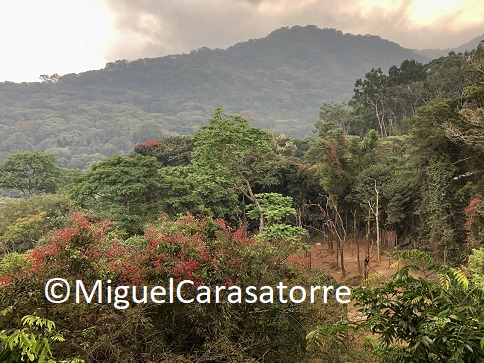

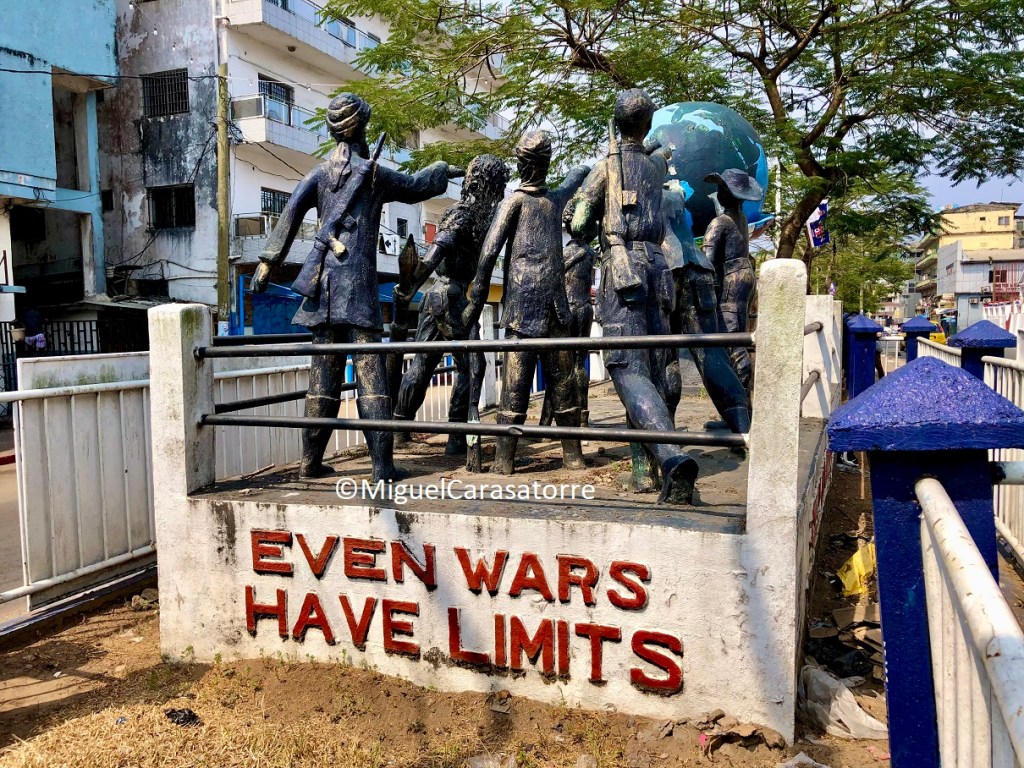
Y si la aventura sabe a poco, siempre se puede esperar al último asalto, para adentrarse en el salvaje este, Liberia, un escenario que trae tristes recuerdos: una reciente y sangrienta guerra civil cuyos efectos se aprecian todavía en los edificios de su vibrante capital, Monrovia, que trata enérgicamente de remontar el vuelo con la ayuda de sus resilientes y sonrientes habitantes. Liberia recuerda, con la debida distancia socioeconómica, a una ciudad del sur de los EEUU.
Still eager of adventure? Wait for the last round: enter the wild East, Liberia, a word that brings sad memories: a recent and bloody civil war whose effects can still be seen in the buildings of its vibrant capital, Monrovia, which is vigorously trying to take flight with the help of its resilient and smiling people. Liberia is reminiscent, with due socioeconomic distance, of a city in the southern United States.

 Singular Destinations