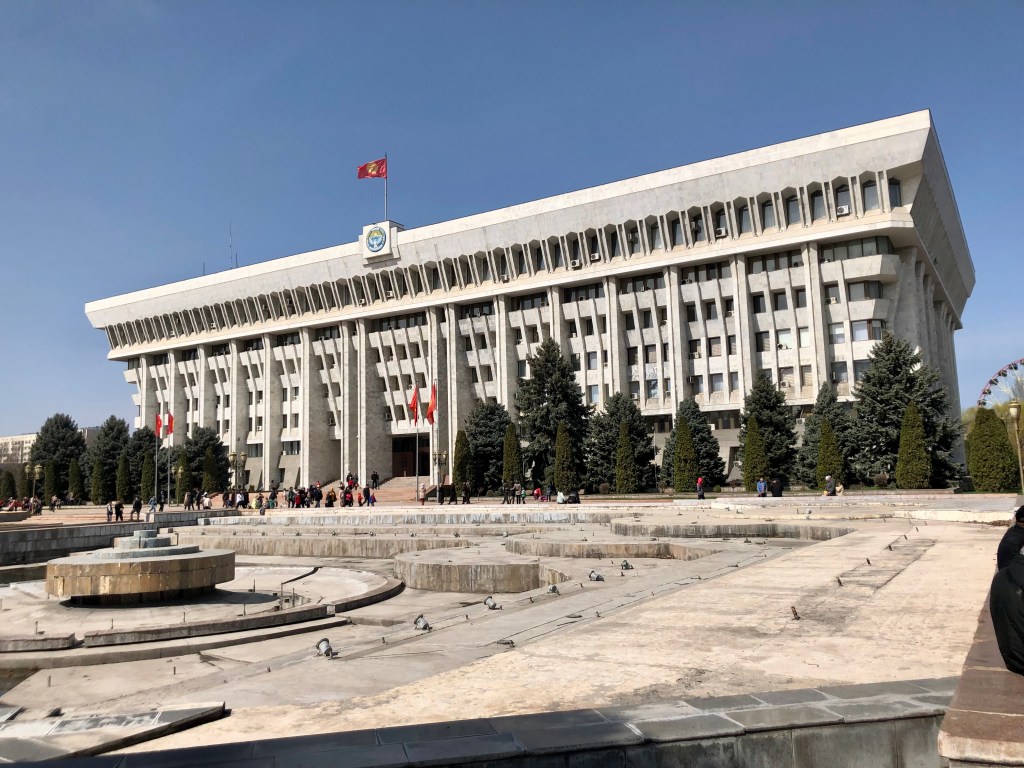
Kirguistán. El tesoro escondido de la región, la nueva Meca de los montañeros. La capital del país (Bishkek) bien merece un par de días: una ciudad tranquila y confortable, de largos bulevares y numerosos edificios y monumentos de la era soviética, situada al pie de suntuosas montañas nevadas.
Kyrgyzstan. The hidden treasure of the region, the new Mecca for mountaineers. The capital of the country (Bishkek) is well worth a couple of days: a quiet and comfortable city at the foot of sumptuous snow-capped mountains, with long boulevards and numerous buildings and monuments from the Soviet era.
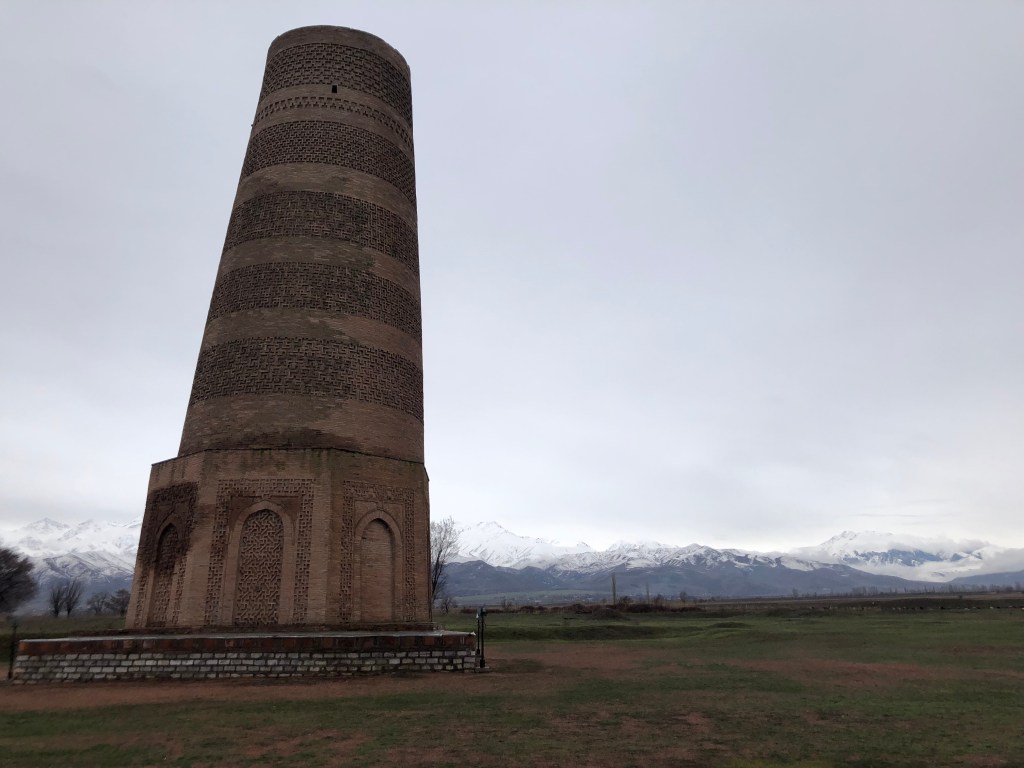
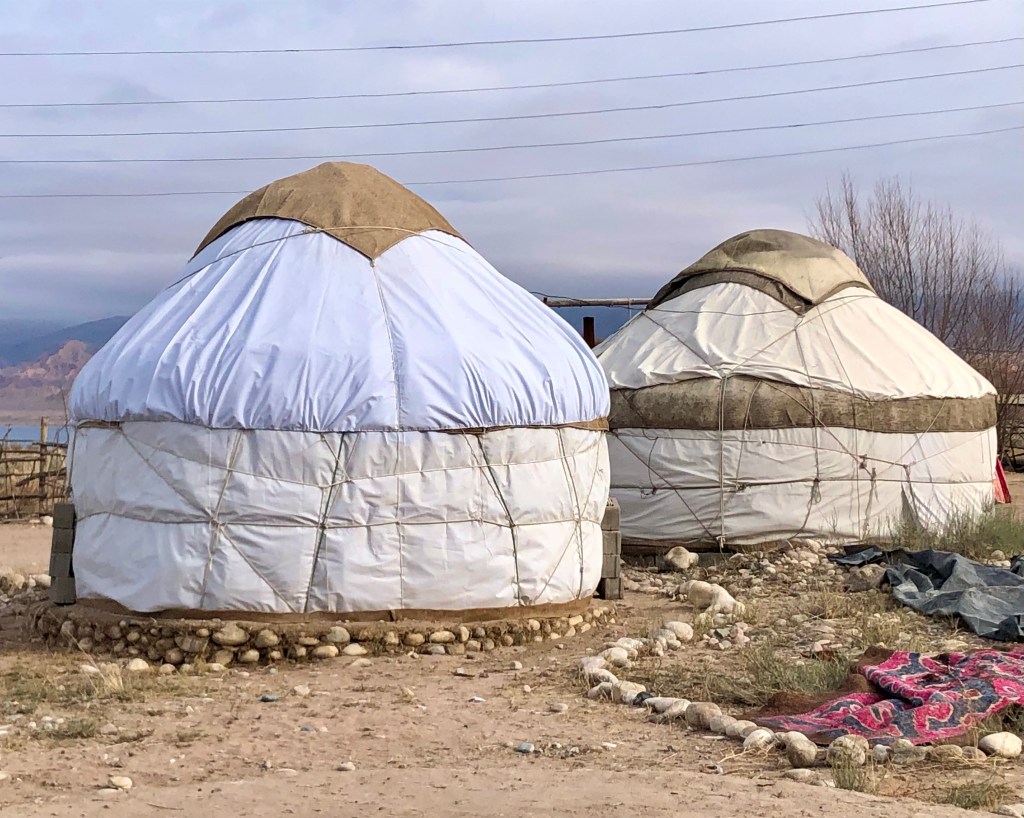
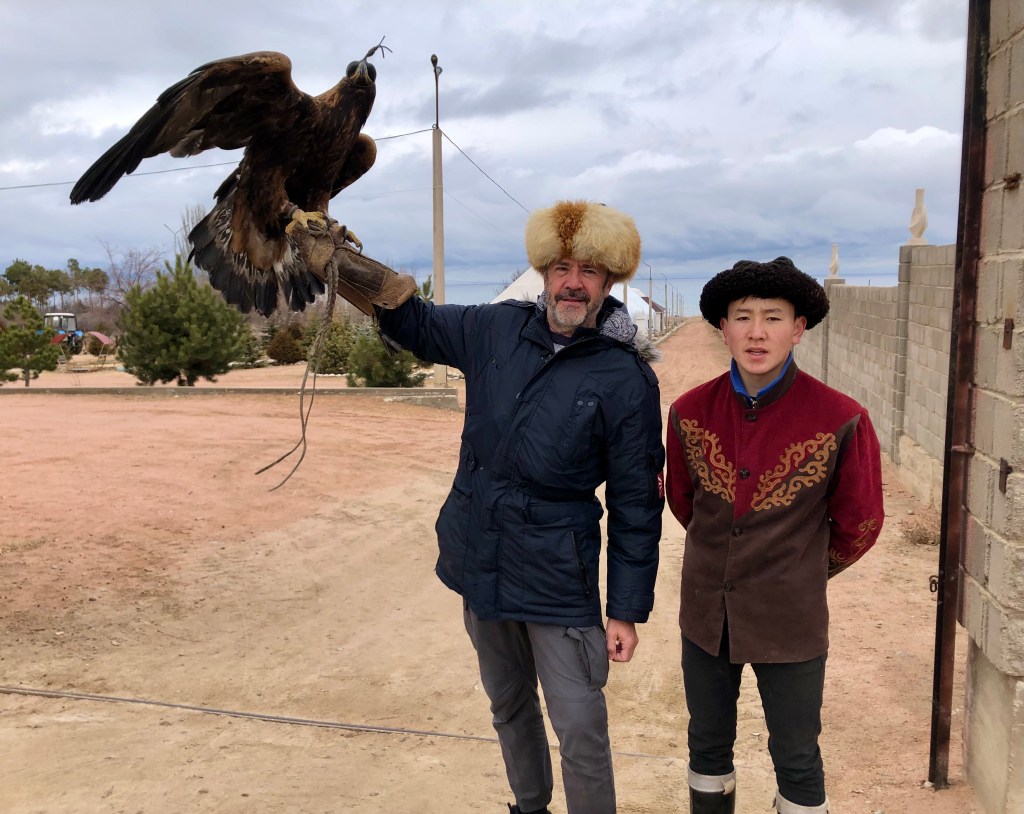
A una hora de distancia se encuentra la Torre Burana, uno de los símbolos históricos del país. Desde allí se puede acceder fácilmente a Issyk-kul, uno de los lagos más grandes del mundo, con una longitud de 200 km. El inmenso lago, escenario de pruebas y maniobras militares durante la época de la URSS, es una base en torno a la cual se pueden realizar múltiples actividades: trekking a las Montañas Tian Shan (las llamadas Montañas Celestiales), baños en aguas termales naturales, paseos a caballo, visitas a comunidades nómadas durmiendo en sus características yurtas o cetrería con águilas.
A short hour away from it is the Burana Tower, one of the historical symbols of the country. From there you can easily access Issyk-kul, one of the largest lakes in the world with a length of 200 km. The immense lake, scenario of tests and military maneuvers during the USSR, is a basic site around which many activities can be undertaken: trekking to the Tian Shan Mountains (the so-called Celestial Mountains), bathing in natural hot springs, horseback riding, meeting nomads and sleeping in their characteristic yurts, falconry with eagles…
Kirguistán es un país de montañas y lagos, un paraíso para los amantes de los caballos y los senderistas, el “nuevo Nepal”, como lo han bautizado algunos. Son Kul es un lago alpino de postal, aunque a diferencia del anterior, permanece congelado gran parte del año. Una visita en verano es una experiencia inolvidable. Desde allí, una ruta por carretera hacia el sur descubre la difícil orografía del país, pero también la increíble belleza de sus paisajes. Se pueden visitar pueblos escondidos, donde sus habitantes brindan al viajero una hospitalidad difícil de igualar. Arslanbob es una de esas pequeñas joyas pintorescas.
Kyrgyzstan is a country of mountains and lakes, a paradise for lovers of horses and hikers, the “new Nepal”, as some have baptized it. The Son Kul is a postcard alpine lake, although unlike the previous one, it remains frozen for much of the year. A visit in summer is an unforgettable experience. From there, a road route to the south discovers the difficult orography of the country, but also the incredible beauty of its landscapes. You can visit hidden villages, where their inhabitants give the traveler a hospitality that is difficult to match. Arslanbob is one of those quaint little gems.
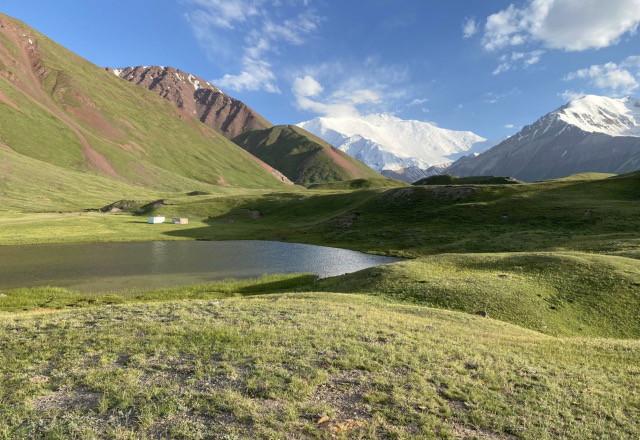
El sur del país es una zona de enorme riqueza cultural, con una gran variedad de etnias. Su principal ciudad, Osh, es la puerta de entrada a la famosa M-41, la autopista del Pamir, una de las carreteras más espectaculares, solitarias y hermosas del mundo, construida por los rusos en la década de 1930. Sus casi 1.300 km de longitud atraviesan impresionantes paisajes a través de la vecina Tayikistán y bordean Afganistán durante más de 200 km, antes de llegar a Dushanbe, la capital de Tayikistán. ¿Interesado?
The south of the country is an area of enormous cultural wealth, with a great variety of ethnic groups. Its main city, Osh, is the gate of the famous M-41, the Pamir highway, one of the most dramatic, solitary and beautiful roads in the world, built by the Russians in the 1930s. Its almost 1,300 km length pass across breathtaking landscapes through neighboring Tajikistan and border Afghanistan for over 200 Km, before reaching Dushanbe, the Tajik capital. Interested?
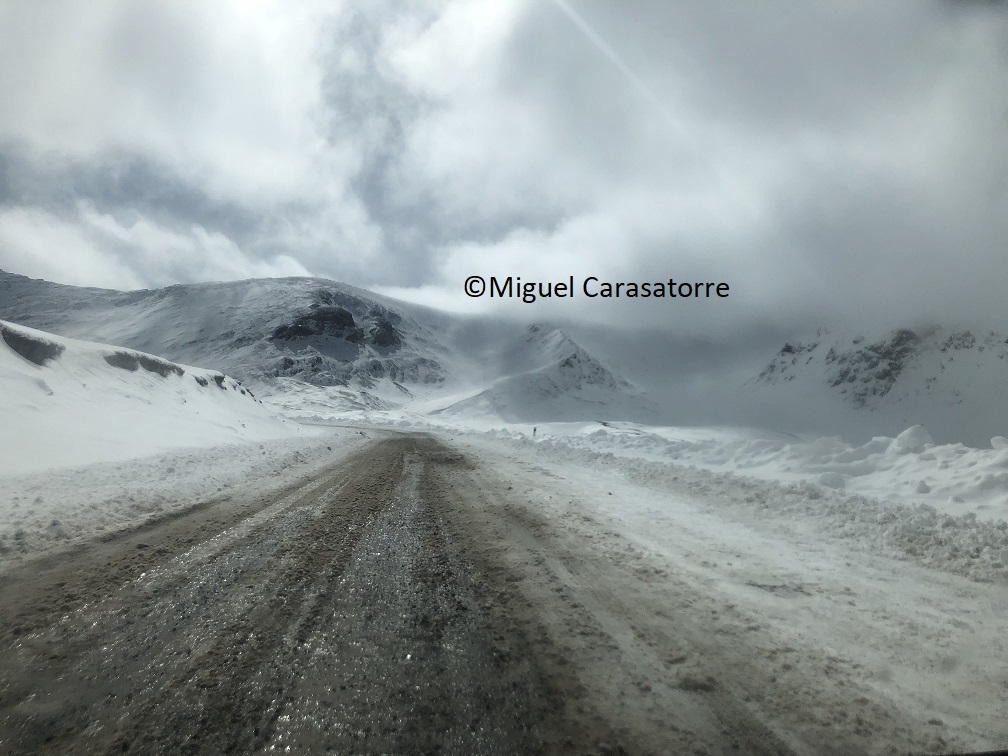
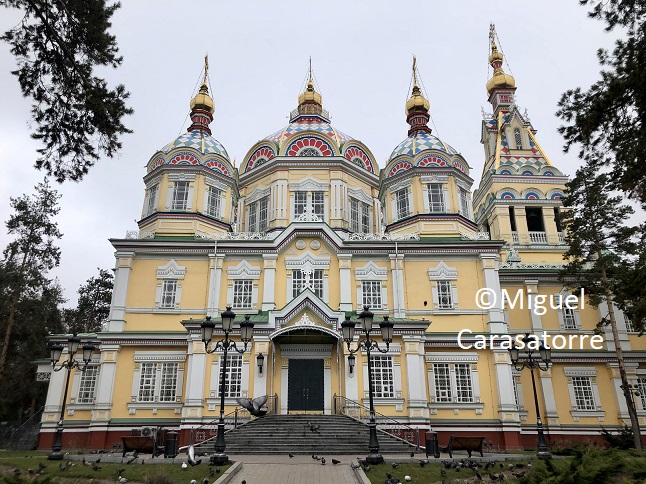
Kazajistán. Enorme país (el noveno en el mundo en extensión), con una asombrosa variedad paisajística y cultural. Almaty (la antigua Alma-Ata soviética) se ha convertido en una gran ciudad, con largas avenidas y lujosos centros comerciales, que se alternan con vestigios de su pasado en forma de imponentes monumentos de su época como parte integral de la URSS. Su ubicación, al pie de una impresionante sierra, le confiere un atractivo especial.
Kazakhstan. Huge country (the ninth in the world in area), with an amazing landscape and cultural variety. Almaty (the former Soviet Alma-Ata) has become a large city with long avenues and luxurious shopping centers, which alternate with vestiges of its past in the form of imposing monuments from its time as an integral part of the USSR. Its location, at the foot of an impressive mountain range, gives it a special appeal.
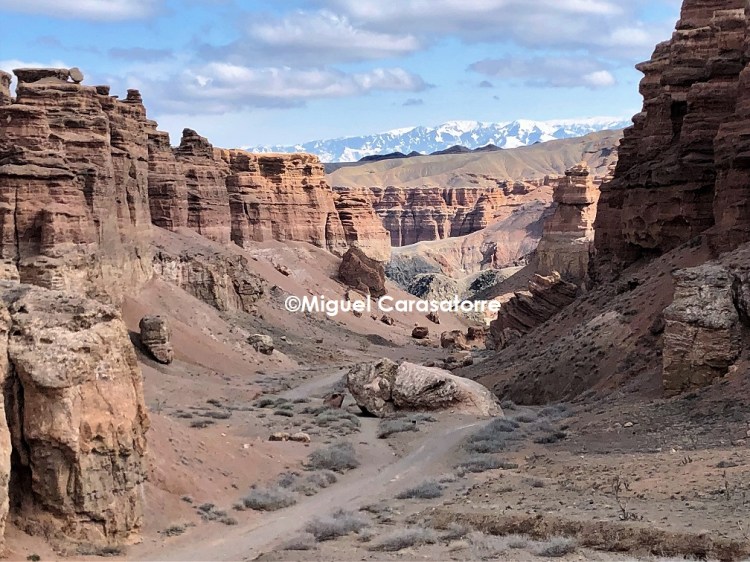
Almaty se encuentra en el sur del país, cerca de la frontera con Kirguistán. La frontera natural entre los dos países es una de las zonas más bellas de Asia Central. A tan solo dos horas de la ciudad se encuentra uno de los lugares más interesantes del país, el Cañón del río Charyn, un lugar sencillamente espectacular, que goza de un microclima increíble y fue frontera con China hasta hace 150 años.
Almaty is located in the south of the country, near the border with Kyrgyzstan. The natural border between the two countries is one of the most beautiful areas in Central Asia. Just two hours from the city is one of the most interesting places in the country, the Charyn River Canyon, a simply spectacular place, which enjoys an amazing microclimate and was the border with China until 150 years ago.
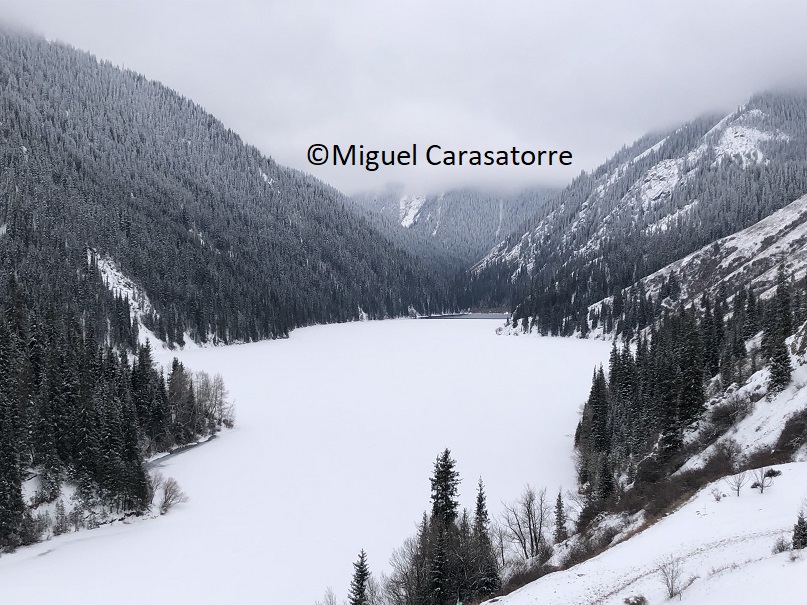
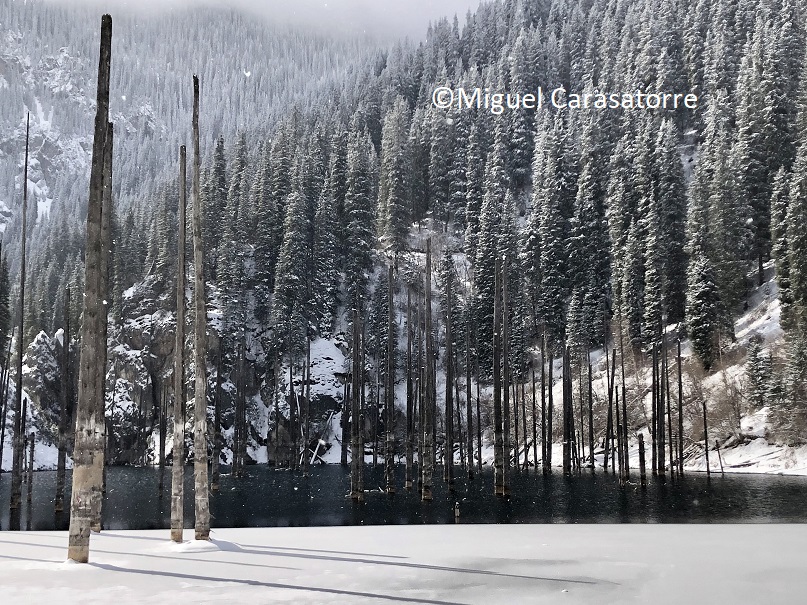
En misma región se pueden visitar otras dos maravillas naturales: los tres lagos Kolsai, rodeados de montañas y bosques, refugio de una fauna abundante de zorros, lobos, osos y hasta de los esquivos leopardos de las nieves y el extraño lajo Kaindy, surgido de manera inesperada tras un fortísimo movimiento de tierras, que hizo sumergirse a un bosque entero.
In the same region, you can visit two other natural wonders: the three Kolsai Lakes, surrounded by mountains and forests, a refuge for an abundant fauna of foxes, wolves, bears and even the elusive snow leopards and the strange Kaindy Lake, emerged unexpectedly after a massive earth movement, which made an entire forest submerge.
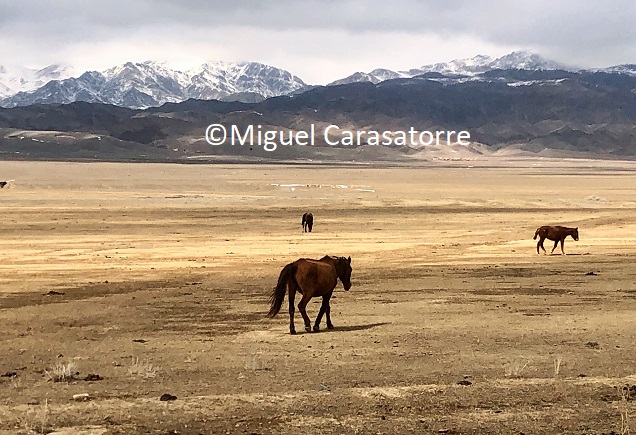
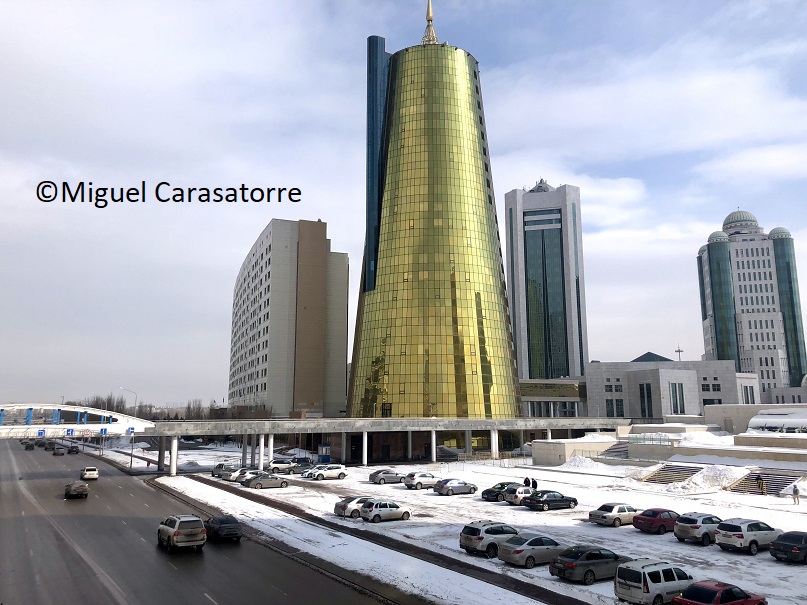
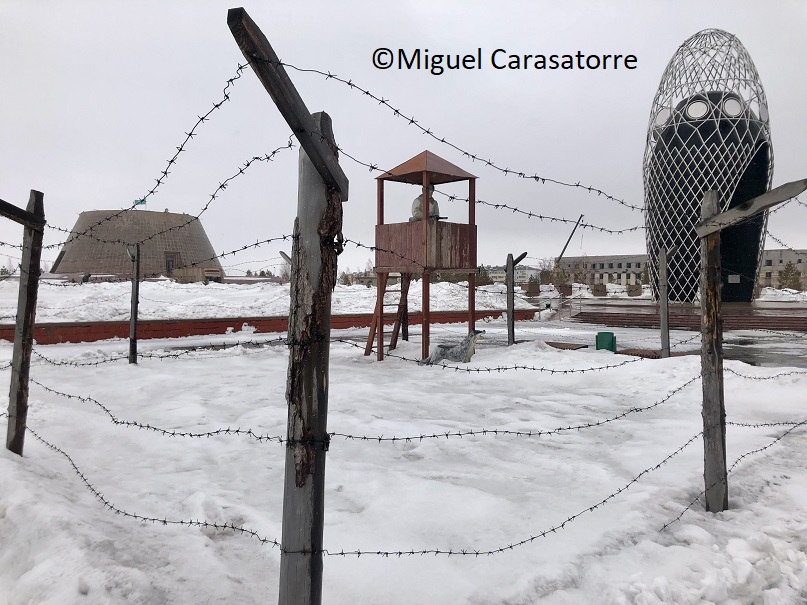
La mayor parte del territorio kazajo es una extensa estepa, a medio camino entre el desierto y el páramo, que regala al visitante unas vistas sorprendentes: caballos sobre un fondo de montañas nevadas, lagos interminables o camellos solitarios en medio de la nada. Las distancias son largas, una oportunidad para viajar en tren desde la populosa Almaty hasta la nueva capital Astana, rebautizada como Nur-Sultan en honor al primer presidente del país. La nueva capital es un ejemplo de planificación urbana, diseñada gracias a los fondos provenientes del subsuelo kazajo, rico en petróleo y gas. No faltan imponentes obras maestras, firmadas por algunos de los principales arquitectos del siglo XX. Kazajistán también ha sido y sigue siendo el punto de partida de la aventura aeroespacial de la Unión Soviética, a través de la Estación Espacial Internacional en Baikonur. El país también fue, hace muchos años, escenario de pruebas nucleares soviéticas y campos de concentración para disidentes, los gulag, como el Alzhir, un campo dedicado exclusivamente a mujeres y niños de prisioneros, cerca de Astana. Más fotos a continuación. ¿Interesado?
Most of the Kazakh territory is an extensive steppe, halfway between desert and wasteland, which gives the visitor some amazing sights: horses against a background of snowy mountains, endless lakes or solitary camels in the middle of nowhere. The distances are long, an opportunity to travel by train from populous Almaty to the new capital Astana, renamed Nur-Sultan in honor of the first president. The new capital is an example of urban planning, designed thanks to the funds coming from the rich-in-oil-and-gas Kazakh subsoil. There is no lack of imposing masterpieces, signed by some of the main architects of the 20th century. Kazakhstan has also been the starting point for the Soviet Union’s aerospace adventure, and continues to be, through the International Space Station in Baikonur. The country was also, many years ago, the scene of Soviet nuclear tests and concentration camps for dissidents, the gulag, such as the Alzhir, exclusive for women and children, near Astana. More pics below. Interested?
 Singular Destinations